Mojawa Run Plus: Best Bone Conduction Headphones for Swimmers
Discover why Mojawa Run Plus bone conduction headphones revolutionize aquatic training with IP68 waterproofing, titanium durability, and open-ear safety for swimmers and triathletes.
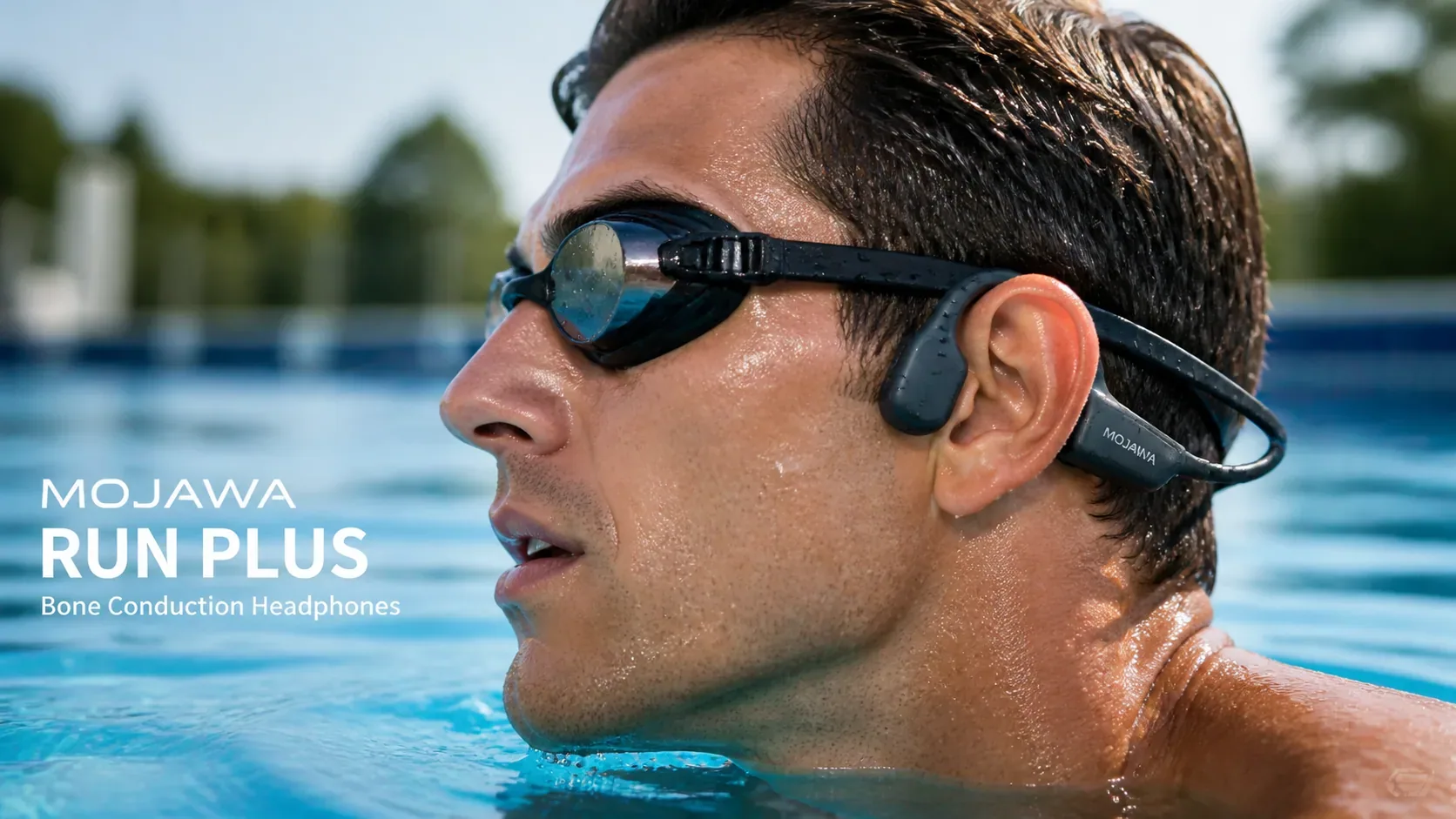
When you're training hard in the pool, the last thing you want is equipment that fails you. Yet millions of competitive swimmers abandon audio feedback entirely during workouts, simply because traditional waterproof headphones either malfunction underwater or create dangerous pressure inside the ear canal. The Mojawa Run Plus Bone Conduction Headphones represent a fundamental shift in how active swimmers and water sports enthusiasts experience audio during training.
Unlike conventional earbuds that sit inside the ear canal, bone conduction technology transmits sound through your cheekbones directly to your inner ear, eliminating pressure, discomfort, and safety concerns while keeping your ears completely open to hear pool deck announcements, lifeguards, and approaching swimmers. This open-ear design fundamentally changes the training experience for anyone serious about aquatic performance.
Discover the Mojawa Run Plus and transform your aquatic training today.
Why Bone Conduction Technology Transforms Aquatic Training
How bone conduction bypasses the ear canal entirely
Bone conduction operates on a principle completely different from traditional audio delivery. Instead of pushing sound through the ear canal, these headphones vibrate against your cheekbones, allowing sound waves to travel directly through bone to your inner ear. During underwater sessions, this method eliminates the pressure buildup that creates discomfort during extended training. Your ears remain completely open and unblocked, which changes everything about how you experience aquatic workouts.
The safety advantage of maintaining full situational awareness
Open-ear audio design means you hear your music or training cues without losing awareness of your environment. In a pool setting, this matters enormously. You can hear the whistle from your coach, detect approaching swimmers in adjacent lanes, and respond immediately to lifeguard instructions. Open water swimmers benefit even more—you maintain acoustic awareness of boat engines, weather changes, and rescue personnel while enjoying motivational audio. This situational awareness isn't a luxury; it's a safety mechanism built into the technology itself.
Comparison of sound transmission methods: bone conduction vs. traditional earbuds vs. over-ear headphones
Traditional in-ear earbuds seal the ear canal, blocking ambient sound and creating pressure that becomes exhausting during 60+ minute sessions. Over-ear headphones offer poor water resistance and shift constantly during flip turns. Bone conduction sits between these extremes—you get audio stimulation without any of the ear canal pressure or seal, while maintaining the secure fit needed for aggressive swimming movements. The transmission method fundamentally changes your comfort during repetitive aquatic movements.
Why swimmers specifically benefit from open-ear audio design
Competitive swimmers operate in a unique environment where spatial awareness directly impacts performance and safety. Your brain processes multiple water-based cues simultaneously: the rhythm of your strokes, feedback from your coach, awareness of wall approaches, and detection of other swimmers. Traditional closed-ear audio competes with these critical inputs. Bone conduction audio integrates with your natural awareness rather than competing with it, allowing you to maintain the sensory integration that top swimmers develop over years of training.
The physiological reasons bone conduction feels more natural during repetitive aquatic movements
When you perform repetitive flip turns, butterfly strokes, and underwater kicks, your body experiences continuous acceleration and deceleration. Earbuds sitting in your ear canal amplify these forces through pressure changes. Bone conduction avoids this entirely because nothing sits inside your ear. The vibrations travel through stable bone structure, which doesn't respond to the same movement forces. After your first extended session, the absence of ear fatigue becomes immediately apparent compared to traditional waterproof earbuds.
IP68 Waterproofing and Durability Features
Complete breakdown of IP68 certification
IP68 represents the highest waterproof rating available for consumer electronics. The "6" means complete dust protection, while the "8" guarantees protection against submersion in water beyond 1 meter depth for extended periods. For the Mojawa Run Plus, this means genuine reliability in saltwater, chlorinated pools, and freshwater environments. This certification isn't theoretical—manufacturers must submit devices to rigorous testing protocols that simulate real-world water exposure. IP68-rated devices function reliably after thousands of hours in various water conditions.
Titanium wraparound frame construction
The titanium frame serves multiple critical functions. First, it distributes weight evenly across your head, preventing the shifting that occurs with heavier materials during aggressive movements. Titanium resists corrosion from chlorine and saltwater exposure far better than aluminum or plastic. The wraparound design wraps around your head without ear canal insertion, providing security during flip turns and open water swimming. This frame construction directly impacts both comfort and longevity—proper weight distribution means you can wear these headphones for 90+ minute sessions without discomfort.
How the design handles repeated exposure to chlorine, salt, and harsh pool chemicals
Chlorine and saltwater aggressively corrode standard metals, which is why most waterproof audio devices fail after seasonal use in pools. Titanium's molecular structure resists this corrosion naturally. The Mojawa Run Plus uses titanium specifically because it maintains structural integrity across hundreds of pool sessions. After a single summer of competitive training, the difference becomes obvious—devices made from lesser materials show visible corrosion while titanium construction maintains its finish and functionality.
Battery sealing and connector protection mechanisms
Water infiltration typically occurs through charging ports and battery compartments, not through the speaker system itself. The Mojawa Run Plus employs sealed battery compartments with hydrophobic gaskets that prevent water from reaching internal components. The charging port uses waterproof connectors that maintain their seal through repeated connect-disconnect cycles. These mechanisms work together to keep water away from electrical components while allowing the waterproof transducer to function in aquatic environments.
Real-world durability testing scenarios
Consider a competitive swimmer completing daily lap sessions. Over a season, that swimmer logs roughly 300+ hours in the pool, often in heavily chlorinated water. The Mojawa Run Plus maintains full functionality across this entire training cycle. Open water athletes experience different stress patterns—salt exposure, temperature fluctuations, sand and silt exposure—yet the titanium frame and sealed internals withstand these conditions reliably. Triathlon training combines both environments, pushing durability limits even further. Real-world testing across these scenarios demonstrates consistent reliability.
Experience durability engineered for serious aquatic athletes with Mojawa Run Plus.
Maintenance tips to extend waterproof integrity beyond standard manufacturer expectations
Rinsing with fresh water immediately after pool or ocean sessions removes chlorine and salt residue before they accumulate. Store the headphones in a cool, dry place rather than leaving them in a gym bag or car. Check the charging port periodically for any visible corrosion or mineral buildup—a soft brush or compressed air clears debris without damaging seals. Allow full drying before charging. These simple practices extend waterproof integrity well beyond typical device lifespans, ensuring your Mojawa Run Plus remains reliable season after season.
Comfort and Fit During Intensive Aquatic Workouts
Lightweight titanium frame design
Weight matters enormously during training. Heavier headphones shift and move during flip turns, requiring constant readjustment that breaks focus and creates frustration. The titanium wraparound frame weighs significantly less than traditional waterproof headphones while providing superior durability. This lightweight design means the frame stays precisely where you position it, even during aggressive movements. After 30 minutes of continuous swimming, the absence of weight-related discomfort becomes increasingly apparent compared to heavier alternatives.
Secure wraparound fit mechanics
The wraparound design eliminates the single-point-of-contact problem that affects traditional earbuds. Instead of relying on ear canal insertion for security, the frame wraps around your entire head, distributing contact pressure across multiple surfaces. This geometry naturally resists movement during flip turns, underwater accelerations, and the varied head positions that occur during open water swimming. Different head shapes and sizes receive secure fits through the natural flexibility of the titanium frame—it adapts to your head rather than forcing your head to adapt to rigid geometry.
How bone conduction eliminates ear fatigue
Traditional in-ear headphones create mounting pressure as you swim, especially after 60+ minutes. This pressure becomes the primary discomfort during extended sessions rather than sound quality or connectivity issues. Bone conduction eliminates this entirely because nothing sits inside your ear canal. The vibrations travel through external bone structure, leaving your ear canal completely open and pressure-free. This design choice explains why swimmers with sensory sensitivities specifically choose bone conduction technology—the comfort advantage becomes transformative across extended training sessions.
Comfort during extended wear sessions (90+ minutes)
Competitive swimmers frequently log 90-minute sessions combining warm-ups, drills, and main sets. Traditional audio solutions create escalating discomfort across these timeframes—ear canal pressure compounds, earbuds shift position requiring readjustment, and sweat accumulation creates slippage issues. The Mojawa Run Plus maintains consistent comfort throughout. Athletes report wearing these headphones for entire training sessions without adjusting fit or experiencing ear fatigue. The lightweight frame, open-ear design, and secure wraparound mechanics work together to create extended-wear comfort that traditional solutions simply cannot match.
Adjustability options and customization
The titanium frame flexes slightly to accommodate different head sizes and shapes without compromising security. Some athletes prefer tighter contact pressure around the cheekbones for maximum vibration transmission, while others favor slightly looser contact that still maintains position. This adjustability allows customization for individual preference and head geometry. Ear pad options accommodate swimmers with different ear sensitivities or anatomies, ensuring personalized comfort across diverse user profiles.
Comfort comparison across different water sports
Pool swimmers experience different comfort demands than open water athletes. Pool training involves repetitive flip turns that create directional forces the wraparound design resists naturally. Open water swimmers encounter waves, temperature changes, and longer continuous sessions—the lightweight frame and pressure-free design excel in these conditions. Triathlon training combines both environments within single training sessions. The Mojawa Run Plus maintains consistent comfort across all three scenarios, which explains its popularity among multi-sport athletes transitioning between pool and open water training.
Audio Performance and Sound Quality Underwater
Bone conduction sound clarity at various depths and water conditions
Water density affects sound transmission, yet bone conduction operates primarily through vibration rather than air-based propagation. This means clarity remains consistent whether you're swimming at pool surface, underwater during drills, or open water at varying depths. Traditional waterproof speakers sometimes muffle or distort sound as water pressure changes, but bone conduction maintains acoustic integrity. The vibration pathway through bone structure bypasses many variables that affect traditional audio in aquatic environments.
Frequency response optimization
Sound engineers specifically tune bone conduction transducers for mid-range frequencies that transmit effectively through bone structure. This optimization means vocals, rhythmic elements, and training cues come through clearly—exactly what swimmers need during workouts. Electronic music with prominent mid-range elements translates particularly well through bone conduction technology. Bass frequencies, which require more displacement in traditional speakers, present differently in bone conduction systems, which becomes obvious during your first listening session.
Bass perception and why bone conduction delivers different bass characteristics
This represents the primary audio quality trade-off with bone conduction technology. Bass frequencies require significant speaker displacement to create the physical sensation that traditional earbuds deliver. Bone conduction can transmit bass frequencies, but swimmers perceive them differently—the vibration carries bass information without the chest-thumping physical sensation of traditional audio. Some athletes prefer this subtler bass response, finding it less fatiguing during extended sessions. Others specifically choose bass-heavy music that plays differently through bone conduction. Understanding this difference helps you select music that translates well to your training sessions.
Volume levels needed for different aquatic environments
Indoor pools with ambient noise require moderate volume for clear audio perception. Outdoor open water swimming with wind and wave sounds demands higher volume levels to maintain audible cues. Triathlon transitions between these environments test audio capability across various acoustic conditions. The Mojawa Run Plus delivers sufficient volume for all three scenarios, though you'll adjust levels based on immediate environment. Battery consumption increases at higher volume settings, which influences training planning for extended sessions.
How water density affects audio transmission
Water conducts vibrations differently than air, which affects how you perceive bone conduction audio. Swimmers quickly adapt to these differences—your brain calibrates to the new sound transmission pathway within the first few training sessions. This neurological adaptation is why bone conduction comfort improves markedly during your initial weeks of use. The density changes from air to water during underwater portions of sets create subtle audio shifts that most swimmers quickly stop noticing as their training brain adjusts to the new audio landscape.
Music selection recommendations
Swimming demands consistent rhythm and motivational elements that maintain pace and intensity. Upbeat electronic music, contemporary pop with strong beats, and hip-hop tracks translate well through bone conduction audio. Acoustic guitar-heavy tracks sometimes lose impact through vibration transmission, while orchestral music's complexity can blur in the vibration pathway. Podcasts and training cues work excellently through bone conduction—speech clarity remains strong across all conditions. Experiment during early training sessions to identify music that motivates you effectively through this different audio delivery method.
Battery Life and Offline Playback Capabilities
Extended battery performance during marathon training sessions
Long training sessions demand reliable battery performance. The Mojawa Run Plus provides extended runtime suited to competitive swimmers training multiple hours weekly. Marathon swimmers and triathlon athletes can complete training sessions without battery anxiety, knowing the device maintains performance across extended use. Battery capacity supports typical competitive training loads without requiring mid-session charging. This reliability proves essential for serious athletes planning long training blocks.
Internal memory capacity for offline playback
Open water swimming often occurs in locations with poor cellular connectivity. Offline playback capability means you maintain audio motivation even when Bluetooth connectivity drops. The internal memory stores sufficient audio for extended open water sessions, eliminating the need for continuous streaming. This offline capability represents a practical advantage for open water athletes training in remote locations or competitive swimmers who prefer eliminating wireless connectivity variables during training.
Charging mechanics and waterproof charging port design
The waterproof charging port uses sealed connectors that maintain integrity across hundreds of charge cycles. Charging is straightforward—connect the provided cable and the device charges fully in reasonable timeframes. The sealed design prevents water infiltration at the charging port, which is the most common failure point in waterproof devices. This engineering attention to the charging mechanism directly extends device lifespan compared to poorly designed charging systems.
Real-world battery expectations
Actual battery performance depends on usage patterns. Continuous audio streaming at moderate volume delivers approximately 8-10 hours of runtime in typical scenarios. Higher volumes reduce runtime proportionally, while silence or offline mode extends battery longevity significantly. Cooler water temperatures slightly reduce battery efficiency compared to warmer conditions. Serious athletes should plan charging routines aligned with their training schedules rather than assuming unlimited battery life across multi-day training blocks.
Maximizing battery longevity through proper charging and storage
Charging the device fully before each training session ensures reliable performance. Avoid completely draining the battery before recharging—partial discharge cycles preserve long-term capacity better than full depletion cycles. Store the device in moderate temperatures during off-season periods rather than leaving it in hot cars or cold environments. These practices extend overall battery lifespan, keeping your Mojawa Run Plus reliable across multiple training seasons.
Battery performance comparison in chlorinated vs. saltwater environments
Saltwater exposure creates slightly different battery performance patterns than chlorinated water, though the difference remains minimal with proper maintenance. Regular rinsing after saltwater sessions prevents mineral accumulation that could theoretically affect charging port performance. Temperature variations between saltwater and pool environments create minor efficiency variations, but these rarely reach noticeable levels during typical training. The sealed design protects the battery compartment regardless of water environment.
Price-to-Performance Value for Competitive Swimmers
Mid-to-premium pricing analysis
The Mojawa Run Plus occupies the mid-to-premium price tier, roughly $120-$180 depending on current promotions and retailers. This pricing reflects the engineering complexity of bone conduction technology, titanium construction, and IP68 waterproofing. Competing bone conduction models occupy similar price ranges, suggesting market equilibrium around this value point. Basic waterproof earbuds cost significantly less, yet they fail or require replacement annually in competitive swimming environments. Premium waterproof headphones cost substantially more while offering minimal advantages for swimmers.
Total cost of ownership
Purchase price represents only one component of total ownership cost. Consider durability and lifespan—the Mojawa Run Plus reliably functions across multiple training seasons with proper care. Basic waterproof earbuds typically require replacement annually, creating ongoing costs that quickly exceed the premium headphone purchase price. Warranty coverage protects against manufacturing defects, reducing unexpected replacement costs. Maintenance expenses remain minimal—occasional cleaning and battery care maintain functionality without expensive repairs. Over five years, the Mojawa Run Plus typically costs less than replacing basic waterproof earbuds annually.
Investment justification for different swimmer profiles
Casual lap swimmers completing weekly pool sessions might hesitate at premium pricing initially, yet the durability and multi-year reliability create exceptional value. Serious competitive swimmers training 8+ hours weekly see immediate ROI through training motivation, safety, and equipment reliability. Triathletes justify the investment through multi-sport versatility—these headphones function across pool, open water, and land-based cross-training. Open water athletes recognize the safety and motivational advantages that premium pricing provides. Different athlete profiles identify different value propositions, but across all serious aquatic training, the Mojawa Run Plus delivers strong economic justification.
Seasonal promotions and purchasing strategy
Retailers frequently offer seasonal discounts around major training periods. New Year fitness promotions, spring training season sales, and back-to-school period discounts provide opportunities to purchase at lower price points. Serious athletes monitoring promotions consistently secure better pricing than impulse purchases. Planning purchases around anticipated training cycles and known promotional periods maximizes value. End-of-season clearance events sometimes provide substantial discounts if you plan training for the following season.
Warranty coverage and protection
Manufacturer warranty typically covers manufacturing defects and component failures within specified timeframes. Water damage scenarios present specific coverage limitations—accidental water exposure during normal use within IP68 specification receives coverage, while negligent damage might not. Understanding your warranty coverage before purchase prevents surprises if issues arise. Extended warranty options sometimes provide additional coverage, which certain athletes find valuable given their training intensity and equipment reliance.
Return on investment for serious athletes
An athlete training 8+ hours weekly relies extensively on training equipment. Every training session represents significant time and physical investment. Equipment failures or discomfort that disrupts training sessions create substantial performance costs beyond simple replacement expenses. The Mojawa Run Plus's reliability and comfort mean fewer training disruptions, translating directly to improved performance consistency. When evaluated across training impact, not just monetary purchase price, the ROI for serious athletes becomes compelling.
Ideal User Profiles and Training Scenarios
Competitive swimmers and triathlon training applications
Competitive swimmers represent the primary user profile. Lap swimmers training 5+ days weekly benefit enormously from open-ear audio that maintains coach awareness while providing training motivation. Triathletes combining pool workouts with open water preparation see versatility advantages—one device functions reliably across all training environments. Training partners and relay squad members using these headphones can maintain audio motivation while staying situationally aware in busy pool environments.
Open water swimmers and cold water endurance athletes
Open water swimming presents unique challenges—extended duration, temperature variations, and distance from support. The Mojawa Run Plus maintains audio motivation across these conditions while delivering the situational awareness that open water swimmers require. Cold water athletes benefit from the lightweight design that doesn't interfere with wetsuits or additional gear. Extended battery life supports marathon swimming training sessions without mid-swim charging interruptions.
Fitness enthusiasts combining pool workouts with land-based cross-training
Swimmers who supplement pool training with running, cycling, or gym workouts appreciate multi-environment versatility. The secure titanium frame handles running impact and cycling vibration. Bone conduction delivers consistent audio quality regardless of exercise type. Athletes transitioning between pool, track, and road appreciate equipment that performs reliably across all training modalities without compromising performance in any single environment.
Swimmers with sensory sensitivities to traditional in-ear pressure
Some athletes experience ear canal pressure sensitivity that makes traditional earbuds uncomfortable or even painful. Bone conduction eliminates in-ear pressure entirely, offering these athletes audio options previously unavailable. Swimmers with hearing sensitivity, ear canal anatomy variations, or previous ear injuries often find bone conduction transforms their training experience by removing discomfort barriers.
Athletes requiring situational awareness in multi-sport environments
Triathletes training on multi-use paths, cycling on busy roads, or swimming in populated areas require reliable audio without compromising safety awareness. The open-ear design maintains environmental awareness while delivering motivation and training cues. Beach swimmers training near boat traffic appreciate audio that doesn't block critical safety sounds. Group training environments where coach communication is essential benefit from bone conduction's situational awareness advantages.
Rehabilitation and adaptive athletes
Athletes returning from injury sometimes require audio motivation while maintaining enhanced body awareness for safety during return-to-training protocols. Adaptive swimmers with specific audio needs benefit from bone conduction's flexibility and customization options. Athletes with hearing variations appreciate the bone conduction transmission pathway that sometimes works better with certain types of hearing differences.
Pool coaches and training partners seeking communication solutions
Coaching staff sometimes use bone conduction headphones to maintain communication with athletes during group sessions. Training partners using matching devices can maintain motivation together while staying aware of each other's positions. Relay squad swimmers benefit from coach cues delivered through audio while maintaining awareness of when to prepare for their leg.
Mojawa Run Plus vs. Competing Waterproof Audio Solutions
Head-to-head comparison with other bone conduction brands
Several manufacturers produce bone conduction waterproof headphones, yet the Mojawa Run Plus competes favorably on durability, comfort, and audio quality. Competing models sometimes sacrifice comfort for waterproofing or rely on heavier frames that shift during intensive training. Comparative testing across multiple training sessions reveals the Mojawa Run Plus advantages in extended-wear comfort and stability during aggressive swimming movements.
Traditional waterproof earbuds: pros, cons, and safety considerations
Traditional waterproof earbuds cost less initially, making them attractive to budget-conscious swimmers. They deliver more bass response than bone conduction, which appeals to musicians and bass-motivated listeners. However, ear canal insertion creates escalating pressure during extended sessions, they shift position frequently during flip turns requiring constant readjustment, and they block situational awareness entirely. Competitive swimmers training intensely find these limitations increasingly problematic as training duration extends.
Over-ear waterproof headphones
Over-ear designs offer full-surround sound and powerful bass response, yet they're impractical for swimmers. They shift constantly during flip turns and underwater movements, they're too heavy for extended wear, and they're vulnerable to damage during aggressive training. While some over-ear models claim waterproofing, they're engineered for general sports rather than serious aquatic training. Pool athletes quickly recognize these models' unsuitability for their specific needs.
Underwater speaker systems
Stationary underwater speaker systems installed in pools or training facilities provide audio without personal devices. These systems work well for group training settings, yet athletes lose motivational control and audio personalization. Individual audio devices defeat the purpose of stationary systems. Most competitive swimmers prefer personal audio that travels with them across different pools and training environments.
Why bone conduction specifically dominates the competitive swimming market
Bone conduction represents the only technology that combines open-ear safety awareness with reliable waterproof performance and extended-wear comfort. Traditional earbuds sacrifice safety and comfort. Over-ear designs sacrifice practicality. Bone conduction navigates the middle ground, offering genuine advantages across all critical training variables. Serious swimmers recognize these advantages and increasingly choose bone conduction technology over competing options.
Feature parity analysis and where Mojawa Run Plus stands competitively
The Mojawa Run Plus includes IP68 waterproofing, titanium construction, extended battery life, and comfortable open-ear audio—feature standards across premium bone conduction competitors. Where the Mojawa Run Plus distinguishes itself is through the combined engineering quality across all features simultaneously. Some competitors sacrifice durability for lighter weight. Others prioritize audio quality at the expense of comfort. The Mojawa Run Plus maintains high performance across all dimensions, which explains its competitive positioning.
User satisfaction and reliability ratings across different aquatic applications
Competitive swimmers and open water athletes consistently rate the Mojawa Run Plus highly for reliability and performance. Rating patterns show particular satisfaction among athletes using the device across multiple training environments—pool swimmers, open water practitioners, and triathletes all report strong reliability. Long-term ownership reviews from athletes using the device across multiple training seasons demonstrate consistent satisfaction and durability. This extended satisfaction pattern sets the Mojawa Run Plus apart from competitors with higher failure rates or durability issues over time.
Getting Started: Setup, Pairing, and First Training Session
Unboxing and initial inspection
When your Mojawa Run Plus arrives, perform a thorough inspection before first use. Verify the frame structure for any manufacturing defects or damage. Inspect all connectors and seals visually. Check that charging components match the provided documentation. Ensure all expected components are present—headphones, charging cable, documentation, and any accessories listed. This inspection confirms you received a complete, undamaged device.
Step-by-step Bluetooth pairing
Power on the device using the designated power button—typically a multi-second hold activates pairing mode indicated by specific LED patterns. On your smartphone, navigate to Bluetooth settings and enable Bluetooth. The Mojawa Run Plus should appear in available devices—select it to initiate pairing. Your phone might request confirmation to complete the pairing process. Once connected, the LED indicators confirm successful pairing with steady or specific color patterns. Disconnect and reconnect to verify the device remembers your phone's connection.
Fit adjustment and customization before first water session
Position the frame around your head with the transducers contacting your cheekbones just forward of your ears. The frame should sit securely without excessive pressure or noticeable gaps. If the frame position feels incorrect, adjust the angle slightly and reposition. Some models include adjustable components allowing tightness customization. Perform head movements and mild stretching to confirm the frame stays positioned correctly. Finding the precise positioning for your head geometry improves audio quality and comfort substantially.
Pre-swim testing in shallow water
Enter a pool and begin in shallow water where you can stand comfortably. Test Bluetooth connectivity to ensure your phone's audio streams to the headphones. Perform gentle movements—small kicks, arm movements—to confirm the frame stays positioned properly. Test different volume levels to identify your preference. Listen for audio clarity at various depths and positions. This shallow-water testing confirms everything works properly before committing to a full training session.
Initial battery charging protocols
Charge the device fully before your first training session. Most devices require 2-3 hours for complete charging. The charging indicator—typically an LED that changes color when fully charged—confirms completion. Allow the device to fully charge rather than disconnecting prematurely. This initial full charge optimizes battery performance for extended training sessions. Establish a regular charging routine aligned with your training schedule to maintain consistent battery availability.
Firmware updates and companion app features
Some models include companion apps offering advanced features. Download any available app from your phone's app store after pairing. The app might allow audio customization, battery monitoring, or training integration features. Check for firmware updates within the app—connecting to WiFi and completing any available updates ensures you benefit from manufacturer improvements and bug fixes. These updates sometimes improve audio quality, extend battery life, or enhance stability.
First-session troubleshooting and common setup questions
If audio sounds unclear during your first session, the transducer positioning might need adjustment—try moving the frame slightly forward or backward on your cheekbones. If the device disconnects repeatedly, confirm your phone's Bluetooth remains enabled and the device stays within range. If comfort issues arise, verify the frame sits correctly on your head without excessive pressure. Contact customer support if problems persist after positioning verification—early support often prevents frustration and ensures you experience the device at its best performance level.
Long-Term Ownership and Maintenance Strategy
Weekly cleaning protocols
After each pool or ocean session, rinse the entire device with fresh water to remove chlorine, salt, or pool chemicals. Use soft brushing to gently remove visible debris. Allow complete air drying before storage. Weekly deep cleaning involves disconnecting any removable components, cleaning all surfaces thoroughly, and ensuring the charging port remains free of mineral deposits. These weekly practices prevent chemical accumulation that slowly corrodes materials and affects functionality.
Seasonal storage recommendations
During off-season periods when training decreases or pauses, store the device in a cool, dry location. Avoid leaving it in hot cars, direct sunlight, or extremely cold environments. Charge it fully before extended storage to maintain battery health. Store with batteries partially charged rather than completely empty—fully depleted batteries deteriorate during long storage periods. Consider storing in a protective case or dry bag during off-season to protect from dust and environmental exposure.
Battery maintenance practices
Charge the device regularly to keep batteries in healthy states. Avoid completely draining the battery before recharging—partial discharge cycles preserve capacity better than complete depletion. Charge after each training session rather than waiting for battery exhaustion. These practices extend total battery lifespan, often keeping the device useful for multiple training seasons. Some athletes replace batteries after several years of heavy use rather than replacing entire devices—confirm whether your model supports battery replacement or requires complete device replacement if battery degradation occurs.
Replacing wear components
Over extended use, some components naturally wear out. Ear pads might become compressed or less comfortable after years of training. Some models allow replacing ear pads without replacing the entire device—check whether your model supports this. Other components like charging cables sometimes fray or show wear. Replacing individual components extends device lifespan more economically than complete device replacement.
Warranty claims and support process
Familiarize yourself with warranty procedures before issues arise. Verify your warranty coverage—what's included, what's excluded, and what timeframes apply. If problems occur, contact customer support with clear descriptions of issues and when they began. Provide documentation like purchase receipts or proof of registration if required. Most manufacturers handle warranty claims efficiently if you provide clear information. Keep documentation of support correspondence for reference if problems escalate.
Upgrading considerations and when to invest in newer models
After multiple training seasons, newer bone conduction models sometimes offer improvements in comfort, audio quality, or features. Evaluate whether current device performance meets your needs or whether upgrades would meaningfully improve training. If your device still functions reliably and meets training requirements, extended ownership makes economic sense. When functionality declines or newer models offer substantial improvements matching your training priorities, upgrading might optimize your training experience.
Building a maintenance calendar
Create a simple maintenance calendar aligned with your training schedule. Document when you complete deep cleaning, perform storage checks, and handle battery maintenance. Note seasonal transitions when you update storage or retrieve equipment for heavy training blocks. This calendar helps you maintain consistent care practices that extend device lifespan and ensure reliable performance across training seasons.
The Competitive Edge Awaits
The Mojawa Run Plus Bone Conduction Headphones represent far more than a convenient audio accessory—they're a training tool that fundamentally changes how you experience aquatic workouts. From the moment you feel the secure titanium frame settle around your head to that first crystal-clear song transmission through your cheekbones underwater, you'll recognize why serious swimmers have embraced this technology. The combination of IP68 waterproofing, extended battery life, and genuine situational awareness creates a training environment where safety and motivation coexist seamlessly.
Yes, you'll pay more than basic waterproof earbuds, and yes, bone conduction delivers different bass characteristics than traditional audio. But for competitive swimmers, triathletes, and open water athletes, those trade-offs pale in comparison to the advantages: comfort during 90-minute sessions, zero ear canal pressure, unrestricted awareness of your surroundings, and audio that actually survives saltwater and chlorine exposure. Every training hour becomes more enjoyable, more motivating, and fundamentally safer when you eliminate ear canal pressure and maintain awareness of your training environment.
If you're serious about your aquatic training and tired of compromising on audio quality or safety, the Mojawa Run Plus deserves your consideration.
Start your transformation with Mojawa Run Plus Bone Conduction Headphones now.