Mojawa Run Plus: Open Ear Headphones for Athletes
Discover how Mojawa Run Plus Open Ear Headphones deliver situational awareness and comfort for runners and cyclists. Explore bone conduction technology, durability, and why athletes choose these headphones over traditional earbuds.
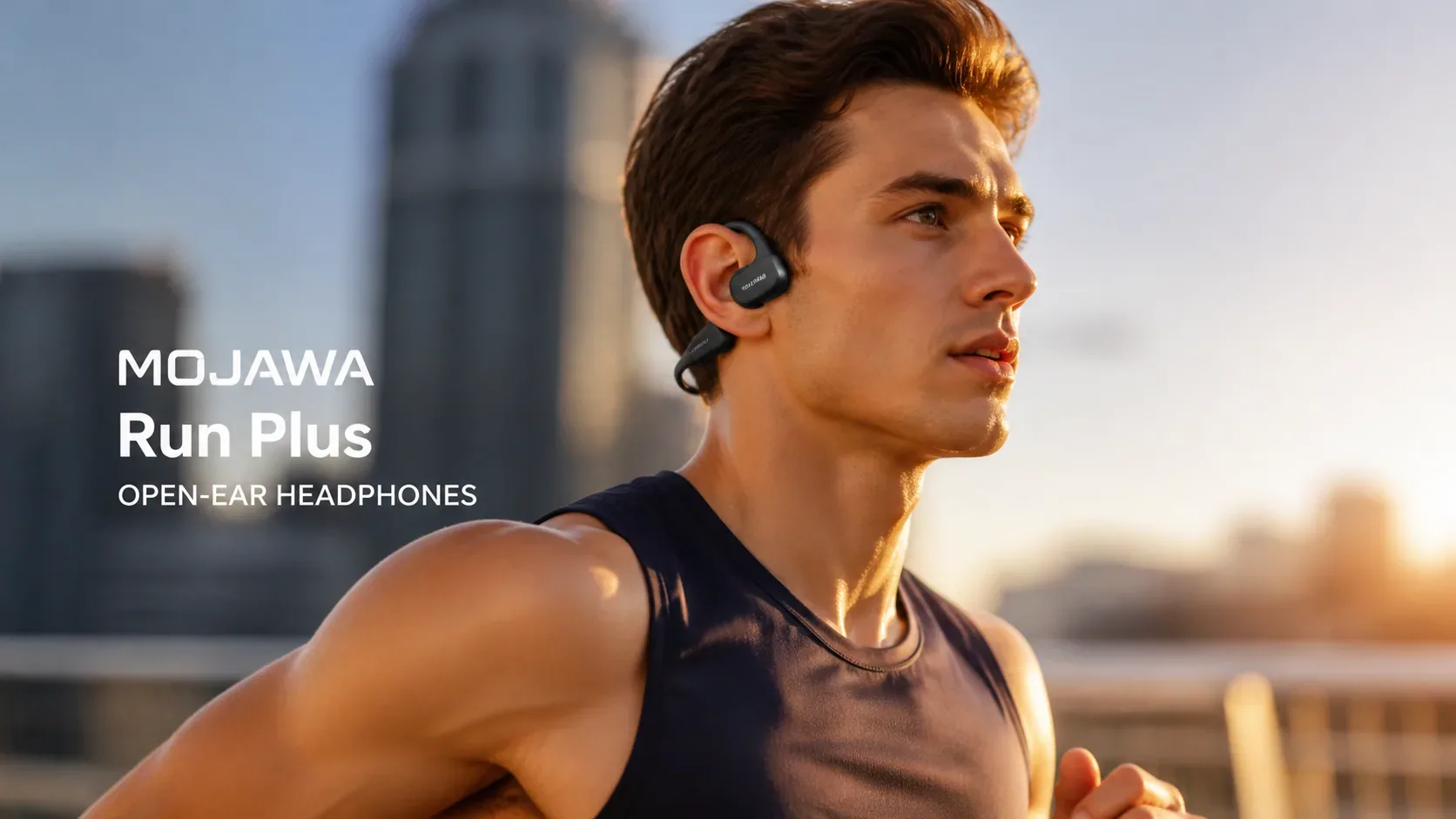
Over 70% of outdoor athletes report that traditional in-ear headphones create a dangerous disconnect from their surroundings. This vulnerability transforms a simple workout into a potential hazard, especially for those training during low-light hours or on busy roads. The Mojawa Run Plus Open Ear Headphones solve this exact dilemma by combining bone conduction technology with rugged durability, offering athletes a genuine alternative to the all-or-nothing choice between audio and awareness.
Open-ear design has evolved dramatically over the past few years, moving beyond niche fitness accessories into mainstream athletic gear trusted by serious outdoor enthusiasts. What began as experimental technology has matured into a reliable solution that thousands of runners, cyclists, and triathletes depend on daily. The Mojawa Run Plus sits at the intersection of innovation and practicality—engineered specifically for people who refuse to compromise between audio quality and environmental awareness.
This guide walks you through how open-ear design protects you during outdoor activities, the specific features that make them durable and comfortable for hours of training, and whether they're worth the investment for your fitness routine.
How Open-Ear Bone Conduction Technology Keeps You Safe While Training
Ambient sound awareness
Bone conduction headphones bypass your ear canal entirely, transmitting sound through vibrations against your bones instead. This fundamental difference means you hear both your audio and the world around you simultaneously. Traffic sounds, pedestrian voices, and trail conditions remain clear and present, eliminating the tunnel effect that traditional earbuds create. For outdoor athletes, this dual-awareness capability transforms how safely you can train in unpredictable environments.
Situational alertness for solo athletes
Training alone during early morning or evening hours carries inherent risks. Open-ear design bridges this safety gap by keeping you connected to your surroundings without requiring you to remove your headphones or pause your music. You hear an approaching vehicle before it becomes a threat. A cyclist's warning call reaches you immediately. The unexpected sound of a storm building overhead becomes impossible to miss. This constant environmental feedback empowers solo athletes to train with confidence rather than constant vigilance.
Reduced ear canal fatigue
Hours spent with traditional earbuds create pressure, discomfort, and fatigue inside your ear canal. Some athletes experience irritation or even infection from prolonged in-ear contact. Bone conduction eliminates this entirely. The headphones rest on your temples and behind your ears rather than inside your ear canal, meaning extended training sessions feel comfortable rather than burdensome. Your ears remain completely open and pressure-free, a distinction that becomes increasingly important as your training volume increases.
Durability and Weather Resistance for Intense Workouts
IP-rated water and sweat protection
The Mojawa Run Plus features robust IP-ratings that ensure longevity through rain, humidity, and heavy perspiration. These specifications aren't merely marketing claims—they represent genuine engineering that protects internal components from the moisture environments that destroy most electronics. Whether you're training through unexpected downpours or grinding through sweat-soaked sessions in summer heat, these headphones maintain functionality without degradation. This resistance extends the lifespan considerably, protecting your investment through multiple seasons of intense use.
Titanium and flexible frame construction
The structural materials matter significantly for equipment that endures daily training stress. Titanium and flexible frame designs withstand impact, repeated bending, and the general wear that comes from stuffing headphones in gym bags, wrapping them around water bottles, or accidentally dropping them during transitions. These materials don't corrode from sweat exposure, don't crack under pressure, and maintain their structural integrity far longer than plastic alternatives. Athletes report these headphones lasting multiple training seasons without degradation.
Secure fit during high-impact exercise
Slipping headphones disrupt training flow and create frustration. The Mojawa Run Plus design prevents this through a secure fit that accommodates high-impact movement—running, jumping, dynamic drills, and explosive transitions. The flexible frame conforms to your head shape while maintaining contact pressure that keeps the device stable. Even during the most intense workouts, these headphones stay exactly where you place them, eliminating constant readjustment and allowing complete focus on training.
Battery Performance and Connectivity for All-Day Training Sessions
Extended battery life specifications
The Mojawa Run Plus delivers all-day battery performance, with typical specifications allowing for extended training sessions on a single charge. Real-world usage depends on volume levels and connectivity patterns, but most athletes experience reliable performance throughout full training days. This longevity means you won't face the anxiety of battery depletion mid-workout, and weekend training adventures don't require mid-day charging.
Bluetooth multipoint connectivity
Seamless switching between your phone, smartwatch, and other devices streamlines your training experience. Multipoint connectivity eliminates the frustration of manual disconnection and reconnection, allowing your audio to intelligently follow you across your device ecosystem. Your music transitions smoothly from your phone to your smartwatch during transitions, and calls automatically route to your headphones regardless of which device rings first.
Fast charging capabilities
When battery does run low, fast charging gets you back to training quickly. The charging architecture supports rapid power restoration, meaning even brief charging windows between sessions provide meaningful battery recovery. This practical feature matters for athletes managing multiple daily training blocks or competitions requiring back-to-back sessions.
Comfort and Fit Customization for Different Head Shapes and Sizes
Adjustable frame flexibility
Individual head geometry varies considerably, and the Mojawa Run Plus addresses this through its flexible frame design. The headphones conform to various head shapes and sizes without requiring separate sizing options or multiple purchase attempts. This adaptability means a single pair works effectively across different users, making them practical for households with multiple athletes or for sharing during group training sessions.
Padding and contact point design
Strategic padding placement minimizes pressure on sensitive areas like your temples and behind your ears. The contact points have been engineered specifically to distribute weight evenly, preventing the hotspots and pressure points that cause discomfort during extended wear. Training sessions lasting several hours feel comfortable rather than burdensome, with no need for repositioning or pressure relief breaks.
Weight distribution
Lightweight construction creates the sensation of barely noticeable headphones during extended wear. The overall weight remains minimal, and the frame design distributes this weight across contact points that can comfortably support it for hours. Athletes consistently report that they forget they're wearing these headphones, a testament to the effective weight distribution and comfort engineering.
Sound Quality and Audio Performance Beyond Typical Open-Ear Limitations
Frequency response and clarity
Open-ear headphones face natural acoustic limitations compared to sealed in-ear designs, but the Mojawa Run Plus manages a respectable frequency response across bass, midrange, and treble. The audio won't satisfy audiophiles seeking deep bass isolation, but it delivers clear, usable sound for workout playlists, podcasts, and audiobooks. Music remains engaging and enjoyable throughout your training sessions, with adequate volume and clarity for communication during calls or team training.
Volume levels and loudness
Maximum SPL output supports different workout intensities without requiring distortion. Whether you're doing steady-state endurance work at lower volumes or high-intensity interval training demanding more aggressive audio stimulus, the headphones scale appropriately. The ability to adjust volume to match your training intensity means one device covers your entire training repertoire.
Microphone quality for calls
Built-in microphones with noise cancellation capability support hands-free calls during training. Voice clarity remains adequate even during active workouts, and noise cancellation helps reduce wind and movement artifacts. Athletes report satisfactory call quality for brief check-ins or communication during group training sessions.
Athlete-Specific Use Cases and Training Applications
Running and trail running
Trail athletes specifically prefer open-ear design because trail running demands constant environmental awareness. Roots, rocks, stream crossings, and wildlife require immediate sensory feedback. Open-ear headphones allow runners to enjoy their audio while maintaining the environmental alertness that prevents accidents. Trail runners report feeling significantly safer with these headphones compared to traditional earbuds that eliminate trail sounds.
Cycling and commuting
Road safety depends heavily on auditory awareness—hearing approaching vehicles, horns, and other cyclists' warnings. Open-ear design transforms cycling from a risky audio-blind experience into one where you stay connected to traffic and other environmental cues. Commuters particularly appreciate this capability, as they navigate busy roads without sacrificing audio entertainment or podcast content during their rides.
Swimming and water sports
Waterproof capabilities extend utility to pool and open-water training. The IP-ratings ensure these headphones withstand submersion and chlorinated environments without failure. Athletes training across multiple disciplines—including swimming—can use the same headphones across their entire training spectrum rather than purchasing separate equipment for different sports.
Value Proposition and Price-to-Performance Analysis
Mid-range pricing strategy
The typical $99–$169 price range positions the Mojawa Run Plus competitively within the open-ear headphone market. This pricing acknowledges that these headphones deliver genuine value without attempting premium-tier costs. Athletes receive substantial capability without luxury pricing, making the investment accessible for most serious outdoor enthusiasts.
Feature set vs. cost comparison
For your investment, you receive bone conduction technology, durable construction, all-day battery life, multipoint connectivity, and weather resistance. This comprehensive feature set justifies the mid-range pricing, particularly compared to traditional earbuds that require replacement far more frequently. You're paying for genuine athletic-grade equipment rather than consumer-level audio devices.
Durability ROI
Long-term value emerges when headphones last multiple training seasons without degradation. The durable construction, quality materials, and weather resistance mean these headphones continue functioning through years of intensive use. Athletes who train seriously calculate value across multiple seasons, and the Mojawa Run Plus delivers compelling long-term economics when amortized across their expected lifespan.
Make the Switch: Why Outdoor Athletes Are Choosing Open-Ear Audio
The Mojawa Run Plus Open Ear Headphones represent a fundamental shift in how athletes approach workout audio. They deliver what traditional earbuds simply cannot: the freedom to train hard while staying connected to your surroundings. Whether you're a trail runner who needs to hear approaching cyclists, a commuter who wants to stay alert in traffic, or a triathlete balancing multiple training disciplines, these headphones excel.
The combination of bone conduction technology, rugged durability, and all-day battery life creates a compelling case for athletes willing to prioritize safety and comfort over bass-heavy sound isolation. The open-ear design solves the real problem that over 70% of outdoor athletes face—the dangerous tension between enjoying audio and maintaining environmental awareness. Rather than forcing this choice, these headphones eliminate it entirely.
If you're spending significant time training outdoors, these headphones deserve serious consideration. Start by evaluating your specific training needs and the environments where you train most frequently. Test them in conditions similar to your typical workouts, allowing yourself to adapt to the bone conduction sensation and open-ear audio experience. Give yourself a genuine break-in period of several training sessions before deciding whether they work for your specific needs. The investment pays dividends through enhanced safety, reduced ear fatigue, and the peace of mind that comes from staying aware of your environment.