Why Pain Relief Patches May Help With Minor Muscle Discomfort
Compare Pain Relief Patches by ingredients, comfort, wear time, and safety. Learn how to choose a suitable patch for temporary muscle and joint discomfort.
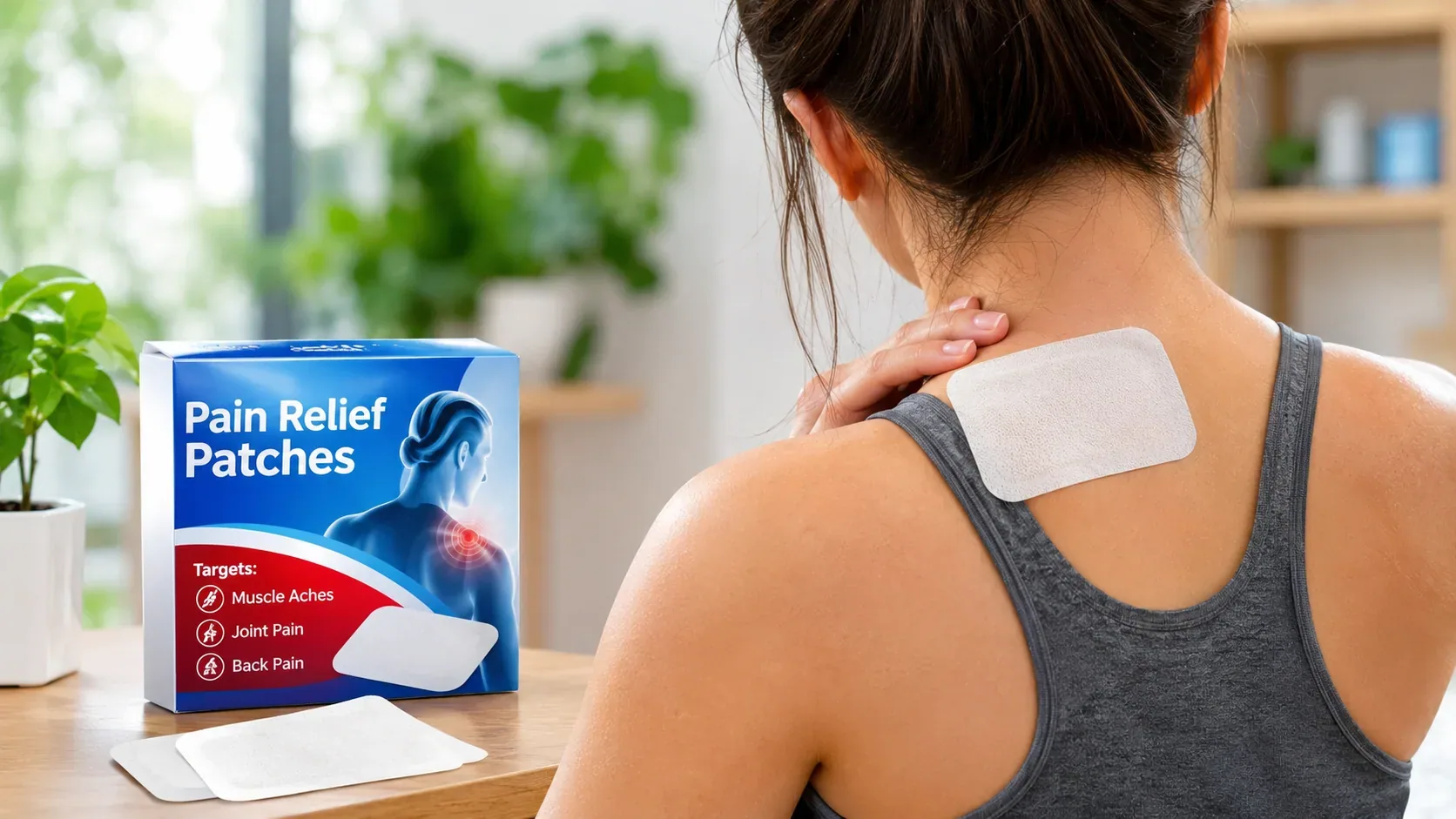
Pain Relief Patches provide a convenient way to apply topical pain-relieving ingredients directly to specific areas of your body. They may help manage temporary muscle aches, minor joint discomfort, and soreness associated with everyday activities, depending on the ingredients and intended use.
Unlike creams or gels that require rubbing into the skin, patches stay in place and release their ingredients according to their formulation. Some create cooling or warming sensations, while others contain topical medications designed to relieve certain types of pain.
Choosing the right patch depends on your symptoms, skin sensitivity, preferred ingredients, and how long the product is designed to be worn. Understanding these differences can help you compare products and select an option that fits your needs.
What Are Pain Relief Patches and How Do They Work?
Pain Relief Patches are adhesive products applied to the skin to deliver topical ingredients to a targeted area. Many over-the-counter patches are intended for temporary relief of minor aches and pains, although their approved uses vary by formulation.
Different patches work through different mechanisms.
- Menthol patches: Create a cooling sensation that may temporarily reduce the perception of minor discomfort.
- Capsaicin patches: Contain an ingredient derived from chili peppers that acts on pain-sensing nerve endings. Effects and application instructions vary by concentration.
- Lidocaine patches: Contain a local anesthetic that temporarily reduces sensation in the treated area.
- Methyl salicylate patches: Contain a topical counterirritant commonly associated with warming or cooling sensations.
These products do not necessarily treat the underlying cause of pain. Their suitability depends on the type of discomfort, ingredient concentration, and directions provided on the packaging.
Types of Pain Relief Patches Worth Comparing
Understanding the available formulations can make shopping decisions easier.
| Patch type | Common intended use | Buying considerations |
|---|---|---|
| Menthol | Temporary minor muscle and joint aches | Cooling sensation, menthol concentration, skin sensitivity |
| Capsaicin | Certain minor muscle and joint aches | Potential burning sensation, concentration, application frequency |
| Lidocaine | Temporary relief of certain localized pain symptoms | Lidocaine strength, approved use, wear-time restrictions |
| Methyl salicylate | Temporary minor aches and soreness | Ingredient concentration, medication precautions, skin irritation |
| Nonmedicated heat patches | Temporary comfort from localized warmth | Temperature, heating duration, burn precautions |
Not every patch is appropriate for every type of pain. Some products contain several active ingredients, making it especially important to read the Drug Facts label before purchasing.
Six Features to Check Before Buying
1. Active ingredients
The ingredient list should be your first priority.
If you prefer a cooling sensation, menthol pain patches may be worth examining. Menthol is commonly used in topical products intended for temporary relief of minor muscle and joint aches.
For localized discomfort where a numbing effect may be appropriate, lidocaine pain patches are another category to review. Over-the-counter formulations differ from prescription-strength products, so check the concentration and labeled indications carefully.
Avoid choosing a patch solely because its packaging promises strong relief. The active ingredient and intended use provide better information for comparing options.
2. Intended application area
Different products may be designed for different parts of the body.
For example, back pain relief patches may have larger adhesive surfaces intended to cover a broader area. Smaller patches may fit the shoulder, knee, or other localized areas.
Check that the product can be applied safely to your intended location. Avoid broken or irritated skin unless a healthcare professional specifically directs otherwise.
3. Wear duration
Patch wear times differ significantly between products.
Some require removal after a relatively short period, while others have different application schedules. Longer wear time does not automatically mean better pain relief.
Check the manufacturer's instructions for:
- Maximum application duration
- Number of patches permitted at once
- Recommended frequency of use
- Required intervals between applications
- Restrictions on sleeping while wearing the patch
Never extend the recommended wear time to try to increase effectiveness.
4. Adhesive comfort and flexibility
A patch needs to stay in place without causing unnecessary discomfort.
Look for information about flexibility, patch dimensions, and adhesive materials. A patch applied near a moving joint may need to accommodate bending and stretching.
If your skin reacts easily to adhesives, examine the ingredient and material information before purchasing.
5. Cooling versus warming sensations
Cooling and warming products may feel different even when intended for similar types of minor discomfort.
Cooling pain relief patches often contain menthol or other ingredients that create a cooling sensation. Nonmedicated heat patches produce physical warmth, while some medicated counterirritants create sensations of warmth.
Neither sensation guarantees better results. Your choice should depend on the product's intended use, your comfort preferences, and relevant safety warnings.
6. Product labeling and safety instructions
Check the full label rather than relying on the product name.
Pay particular attention to warnings about allergies, age restrictions, medication interactions, damaged skin, and the use of heating pads.
Some ingredients, including methyl salicylate, may require extra caution for people with certain medical conditions or medication use.
How Do Pain Relief Patches Compare With Creams and Gels?
Patches, creams, and gels can all provide topical treatment, but they differ in application and convenience.
| Feature | Patches | Creams | Gels |
|---|---|---|---|
| Application | Adhesive placed on skin | Rubbed onto skin | Spread onto skin |
| Coverage | Limited by patch dimensions | Adjustable | Adjustable |
| Contact with hands | Usually limited during application | Usually required | Usually required |
| Portability | Individually packaged options available | Depends on container | Depends on container |
| Flexibility of dosage | Limited to labeled patch instructions | Depends on measured amount | Depends on measured amount |
| Potential drawbacks | Adhesive irritation, poor fit | Residue, transfer to clothing | Drying sensation, residue |
The best format depends on the active ingredient, your symptoms, and how you prefer to apply the product. A patch may be convenient for a defined area, while a cream or gel may be easier to spread across an irregular surface.
When Might Patches Be Useful for Muscle and Joint Discomfort?
Certain over-the-counter patches are labeled for temporary relief of minor aches associated with everyday physical activity.
For example, muscle pain relief patches may be suitable for some minor soreness following exercise, depending on the active ingredient and label directions.
Other situations where an appropriately labeled product may be used include minor discomfort associated with strains, sprains, or simple backaches.
However, persistent, worsening, or unexplained pain deserves medical assessment. Patches should not be used to conceal symptoms that may require diagnosis or treatment.
Safety Precautions Before Applying a Patch
Although many topical patches are available without a prescription, they can still cause adverse reactions.
Follow these precautions:
- Read the complete Drug Facts label before applying the product.
- Apply only to skin areas permitted by the instructions.
- Avoid damaged, irritated, or infected skin unless specifically directed by a clinician.
- Do not combine topical pain medications without checking for overlapping ingredients.
- Avoid heating pads or other external heat sources over medicated patches unless the product instructions explicitly permit them.
- Remove the patch and seek appropriate advice if significant burning, blistering, swelling, or irritation occurs.
If you are pregnant, breastfeeding, taking prescription medications, or managing a medical condition, ask a healthcare professional which ingredients may be appropriate.
Severe pain, sudden weakness, significant swelling, fever, or pain following a serious injury should not be managed with patches alone.
Frequently Asked Questions About Pain Relief Patches
How long do pain relief patches take to work?
The onset varies by ingredient and formulation. Some counterirritant products produce noticeable skin sensations shortly after application, but that does not establish how quickly meaningful pain relief will occur. Always follow the product's directions.
Can you wear a pain relief patch overnight?
Only when the specific product's instructions allow it. Some patches have strict wear-time limits or warnings against use during sleep.
Are pain relief patches suitable for sensitive skin?
Some people tolerate patches well, while others experience irritation from the active ingredients or adhesive. Check product warnings and stop using a patch if a significant reaction develops.
Can you use several patches at the same time?
Only if the label explicitly permits that number of patches. Applying additional patches can increase medication exposure and the risk of adverse effects.
Are prescription patches different from over-the-counter patches?
Yes. Prescription patches may contain different ingredients, strengths, delivery systems, or approved indications. They should not be treated as interchangeable with over-the-counter products.
Do pain relief patches cure muscle or joint conditions?
No. Most over-the-counter topical pain patches are intended to provide temporary symptom relief. They do not repair damaged tissue or treat every underlying cause of pain.
How to Decide Which Pain Relief Patch Fits Your Needs
Before buying, identify the location and nature of your discomfort, then check which products are specifically labeled for that use.
Focus on the active ingredient, patch dimensions, application schedule, potential skin reactions, and safety warnings. If two products contain similar ingredients, compare their concentrations and instructions rather than assuming they will perform identically.
You can review official medication labels on DailyMed to check ingredient information, directions, and warnings for many products marketed in the United States.
A suitable patch should match your symptoms, be practical to apply, and have instructions you can follow safely. When pain persists or its cause is unclear, professional medical advice is a better starting point than repeated self-treatment.