Triple Bristle 360 Toothbrush: Time-Saving
Discover how the Triple Bristle 360 Degree Toothbrush cuts brushing time in half with its innovative three-head design. Learn if this efficient manual toothbrush is right for your routine—features, benefits, and real-world applications inside.
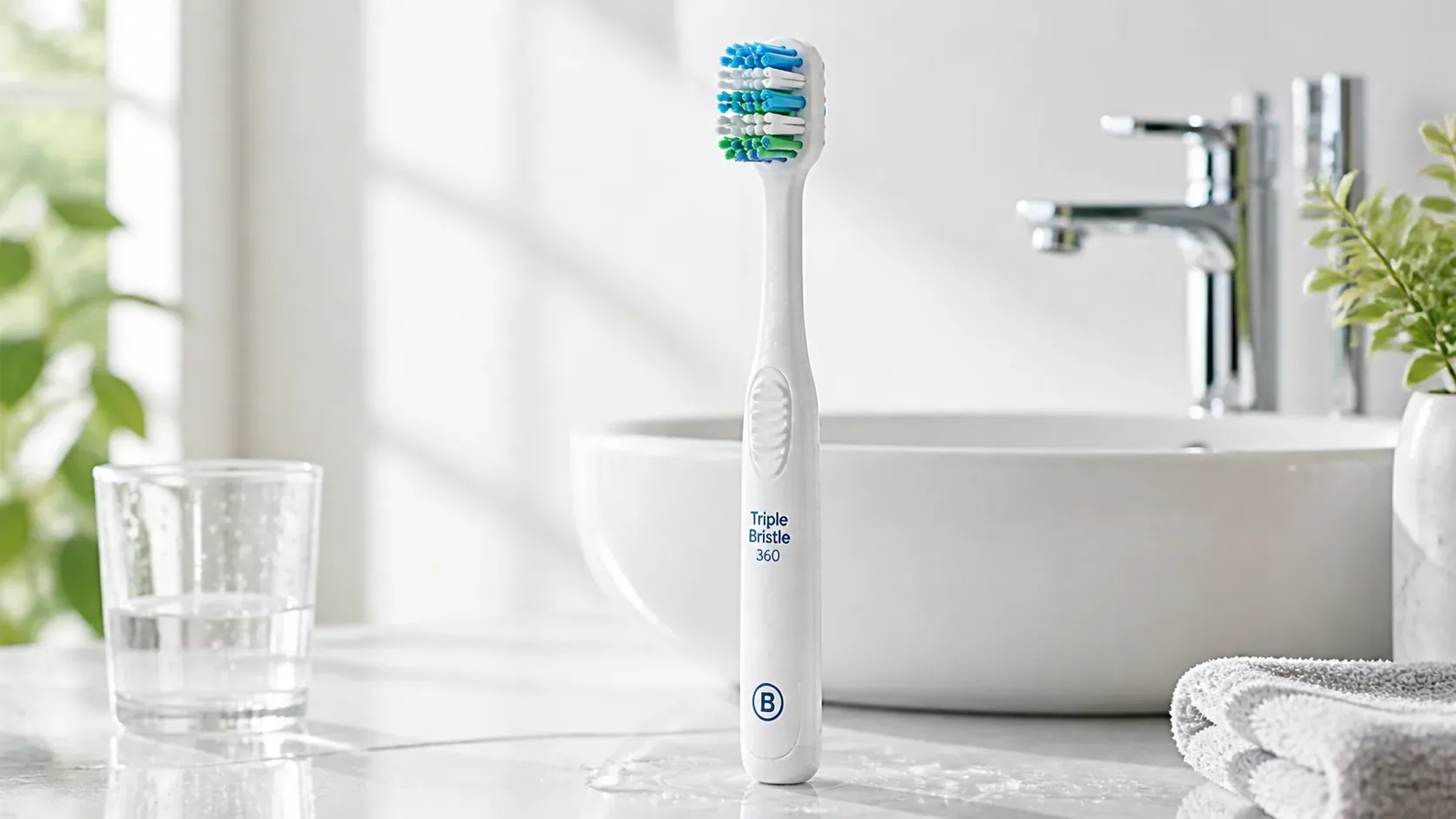
Most people spend between 2-3 minutes brushing their teeth daily—that's roughly 18 hours per year devoted to oral hygiene. What if you could slash that time in half without sacrificing cleanliness? The Triple Bristle 360 Degree Toothbrush challenges everything we thought we knew about manual brushing efficiency.
Triple Bristle's flagship product has gained considerable traction among consumers seeking practical alternatives to traditional toothbrushes. This isn't about gimmicks; it's about genuine innovation in a market saturated with electric options. The brand's three-bristle head design addresses a real pain point—the tedious back-and-forth motions that dominate standard brushing techniques.
Breaking down exactly what makes this toothbrush different, who benefits most from its design, and whether it actually delivers on its promises will reveal the engineering behind the 360-degree approach, real-world performance comparisons, and honest insights about whether this tool fits your dental routine.
Discover the Triple Bristle 360 Degree Toothbrush and revolutionize your brushing experience.
How the 360-Degree Design Actually Works
Three Strategically Positioned Brush Heads
The innovation centers on three brush heads that simultaneously contact the front, back, and chewing surfaces of each tooth. Rather than requiring separate strokes for each surface, this design accomplishes in one motion what traditionally takes three. The geometry isn't random—each head targets a specific plane, creating simultaneous coverage that reduces the total number of individual brush strokes needed per tooth.
Soft Bristle Technology and Gum Protection
Soft bristles form the foundation of the Triple Bristle experience. This design choice serves two purposes: maintaining effective plaque removal while remaining gentle on gums. For individuals prone to gum recession or those with naturally sensitive gum tissue, this gentler approach eliminates the aggressive pressure associated with traditional brushing.
Ergonomic Handle and Biomechanics
The handle construction accommodates the unique brushing motion required for the three-head system. Rather than the horizontal scrubbing motion of conventional toothbrushes, users employ a more natural, vertical brushing technique. The biomechanics of simultaneous surface coverage represent a fundamental departure from traditional single-plane brushing techniques, requiring an adjustment period but ultimately delivering efficiency gains.
Who Benefits Most From This Toothbrush Style
Busy Professionals and Time-Conscious Users
Professionals juggling demanding schedules find immediate value in the time-saving potential. When brushing time matters as much as brushing quality, the 360-degree design delivers practical relief.
Individuals with Sensitive Gums
People prone to gum recession or those with naturally sensitive gum tissue experience noticeable comfort improvements. The gentler bristle approach eliminates the aggressive pressure that traditional brushing can impose.
Teenagers Developing Oral Hygiene Habits
Adolescents need efficiency alongside effectiveness. The Triple Bristle offers both, making it an excellent choice for teens establishing independent dental routines.
People with Dexterity Challenges
Individuals managing arthritis or limited hand mobility benefit from the reduced repetitive motion. The simpler brushing technique requires less complex muscle coordination than traditional methods.
Parents Seeking Faster Solutions
Getting children through thorough brushing quickly without compromising results appeals to busy parents. The three-head design accomplishes both goals simultaneously.
Travelers and Commuters
Compact, quick-cleaning oral care tools align perfectly with mobile lifestyles. The time savings become particularly valuable when travel disrupts normal routines.
Performance Comparison: Triple Bristle vs. Traditional Manual Brushes
Brushing Time Reduction
Realistic expectations suggest meaningful time savings—typically 30-40% reduction compared to conventional brushing. Marketing claims sometimes overstate these benefits, but independent user reports consistently confirm noticeable efficiency gains. The reduction varies based on individual brushing habits and technique mastery.
Plaque Removal Effectiveness
Across different tooth surfaces, the 360-degree design demonstrates comparable plaque removal to traditional brushes. The simultaneous three-surface contact prevents the incomplete coverage that sometimes occurs with single-plane brushing. Hard-to-reach areas like molars and the gum line show particularly strong performance, though flossing remains essential for interdental spaces.
Bristle Durability and Replacement Frequency
Bristle durability aligns with standard manual toothbrush timelines—typically 3-4 months before noticeable wear occurs. Replacement frequency matches conventional toothbrushes, making ongoing costs comparable. The three-head configuration doesn't compromise bristle longevity despite simultaneous contact with multiple tooth surfaces.
Comfort During the Transition Period
Initial discomfort during the adjustment phase is normal but typically resolves within one to two weeks. Users accustomed to vigorous back-and-forth motions need time to adapt to the gentler vertical technique. This learning curve represents the primary short-term drawback.
Coverage Consistency
The consistent three-surface contact eliminates the coverage gaps that occasionally occur with traditional brushing technique variations. Users maintain uniform coverage regardless of minor technique inconsistencies, though proper technique still matters for optimal results.
Experience improved coverage and efficiency with the Triple Bristle 360 Degree Toothbrush.
Pricing, Availability, and Bundle Options
Single-Pack Versus Multi-Pack Decisions
Single-pack purchases ($10-$15 per brush) offer low-risk evaluation before committing to bulk buying. Multi-pack options reduce per-unit costs to $8-$12, making them economical for established users. The decision hinges on confidence in the product and household size.
Typical Price Range and Value Analysis
The $10-$25 price point positions the Triple Bristle as an affordable premium option—higher than basic drugstore toothbrushes but significantly cheaper than quality electric alternatives. This pricing strategy makes experimentation accessible without substantial financial commitment.
Seasonal Promotions and Retail Bundle Deals
Major retailers periodically offer bundle deals combining toothbrushes with complementary oral care products. Seasonal promotions around dental health awareness months and post-holiday sales provide additional cost savings opportunities.
Subscription and Bulk-Buying Options
Some retailers offer subscription models ensuring regular brush replacement without repeat purchasing. Bulk-buying programs provide per-unit discounts for households or small businesses requiring consistent supplies.
Comparison Against Premium Electric Options
Premium electric toothbrushes typically cost $80-$200 initially, plus ongoing replacement head expenses. The Triple Bristle's affordability makes it an attractive alternative for budget-conscious consumers seeking efficiency improvements without substantial investment.
Where to Purchase
The product maintains wide availability through online retailers, major drugstore chains, and direct brand channels. Distribution consistency ensures reliable access regardless of shopping preferences.
What Dentists and Oral Health Experts Say
Professional Endorsements
Dental professionals acknowledge the engineering merit behind the three-head design. While formal clinical endorsements vary, many dentists recognize the legitimate efficiency gains the product delivers.
Recommendation Context
Experts position the Triple Bristle as a supplement to—not replacement for—traditional dental care. The tool enhances routine efficiency but doesn't eliminate the necessity for flossing, professional cleanings, or other evidence-based oral health practices.
Acknowledged Limitations
Dental professionals consistently note that the 360-degree brush cannot replicate the precision of flossing or interdental cleaning devices. The brush addresses plaque on accessible surfaces but cannot penetrate the spaces between teeth.
Clinical Research Support
Limited formal clinical studies exist, though available evidence supports the manufacturer's efficiency claims. The lack of extensive clinical data reflects the product's positioning as a consumer convenience tool rather than a clinical intervention.
Patient Population Recommendations
Dentists most frequently recommend the Triple Bristle to patients struggling with repetitive motion disabilities, those with demonstrated plaque removal inconsistencies, and individuals whose time constraints compromise brushing thoroughness.
Comprehensive Oral Health Strategy Integration
Professional consensus views this tool as one component within broader oral health practice. Combined with proper flossing, mouthwash, professional cleanings, and dietary awareness, the Triple Bristle becomes a practical efficiency enhancement.
Realistic Expectations: Pros and Genuine Drawbacks
Clear Advantages
Time savings represent the most tangible benefit—30-40% reduction in daily brushing time adds meaningful minutes to busy schedules. Thorough multi-surface cleaning occurs simultaneously rather than sequentially. The soft bristle option appeals to sensitive gum users. Strong brand recognition ensures ready availability and consistent quality. Established market presence provides confidence in product reliability.
Genuine Limitations
A learning curve accompanies initial use, typically lasting one to two weeks. User preference variations mean some people strongly prefer traditional brushing methods. The product cannot replicate flossing precision or effectiveness for interdental cleaning. Initial use may feel awkward or counterintuitive for longtime traditional brush users. Extended adjustment periods occasionally lead to return rates among impatient consumers.
Routine Compatibility
Successful integration depends on existing oral care habits and flexibility. Users already flossing regularly and using mouthwash experience seamless adaptation. Those relying solely on brushing may find the transition requires more deliberate adjustment.
Situations Favoring Traditional Brushes
Individuals with extremely tight interdental spacing, severe gum recession, or specific orthodontic appliances may find traditional methods more manageable. Personal preference ultimately matters—if traditional brushing feels more natural and effective, switching serves no purpose.
Long-Term User Satisfaction
Retention rates among adapted users remain high, with most long-term adopters reporting sustained satisfaction. Those successfully transitioning past the initial learning curve typically maintain usage indefinitely.
Maintenance and Replacement Schedules
Bristle replacement follows standard 3-4 month timelines. Storage practices emphasizing air drying and bristle protection extend lifespan. No special maintenance beyond conventional toothbrush care applies.
Integrating the Triple Bristle Into Your Daily Oral Care Routine
Optimal Brushing Duration
Two minutes represents the recommended brushing duration, matching professional dental guidelines. The three-head design completes thorough cleaning within this timeframe, delivering efficiency gains without reducing effectiveness.
Proper Technique for Maximum Effectiveness
Position brush heads at a 45-degree angle to the gum line, using gentle vertical motions rather than aggressive scrubbing. Allow sufficient contact time on each tooth surface, particularly the gum line and chewing surfaces. Avoid excessive pressure—the design doesn't require aggressive force.
Combining with Flossing and Mouthwash
Floss immediately after brushing to remove interdental plaque that the toothbrush cannot reach. Use mouthwash as a final step to address remaining bacteria and freshen breath. This three-component approach creates comprehensive oral hygiene coverage.
Morning and Evening Routine Considerations
Morning brushing establishes fresh breath before daily activities while evening brushing removes accumulated plaque before sleep. The Triple Bristle's time efficiency makes consistent twice-daily use more sustainable for busy schedules.
Transitioning Without Compromising Dental Health
Begin with a gradual transition, using the Triple Bristle alternately with traditional brushes for 3-5 days. This approach allows gum tissue adaptation and technique development. Complete full-time transition only after comfort increases.
Storage and Hygiene Practices
Stand brushes upright in open-air storage to prevent moisture accumulation. Rinse thoroughly after each use and allow complete drying. Replace bristles when splaying becomes visible or after three months of regular use. These practices extend brush lifespan and maintain hygiene.
The Innovation Behind the Brand: Why This Design Matters
Engineering Problem Resolution
Manual toothbrush design hasn't fundamentally changed in decades—users still employ repetitive scrubbing motions requiring multiple passes across each tooth. Triple Bristle addressed this inefficiency by developing simultaneous multi-surface contact, reducing the total motion required for thorough cleaning.
Differentiation From Market Alternatives
The three-head configuration stands apart from existing alternatives in the manual toothbrush category. While electric toothbrushes dominate the innovation conversation, the Triple Bristle innovates within the manual segment, appealing to users preferring non-electric options.
Development Process and Patent Considerations
The design's unique geometry required careful engineering to balance three-head configuration stability with ergonomic handle comfort. Patent protection reflects the innovation's novelty, establishing Triple Bristle's differentiated market position.
Market Positioning
The brand occupies the efficiency-focused segment within manual toothbrush markets. Positioned above basic drugstore options but below premium electric alternatives, the Triple Bristle targets value-conscious consumers seeking meaningful innovation.
Consumer Demand for Efficiency
Growing consumer focus on time-saving, practical solutions drives demand for efficiency-oriented oral care tools. The Triple Bristle capitalizes on this trend by addressing a genuine consumer pain point—tedious, time-consuming brushing routines.
Future Expansion Potential
Opportunities exist for design refinements, specialized head configurations for specific user populations, and complementary product line expansion. As the brand grows, additional innovation addressing distinct oral care needs becomes feasible.
The Bottom Line: Is the Triple Bristle 360 Degree Toothbrush Worth Your Investment?
After examining the mechanics, performance data, and real-world applications, the Triple Bristle 360 Degree Toothbrush emerges as a genuinely useful tool for specific user groups. It's not revolutionary—but it is practical. The three-head design delivers on its core promise: faster, more efficient cleaning without sacrificing gentleness or thoroughness.
The real value becomes apparent when you consider your lifestyle. If you're perpetually rushed, managing sensitive gums, or simply tired of the repetitive motions of traditional brushing, this toothbrush addresses genuine friction points. The $10-$25 price point makes experimentation accessible. You're not betting your entire oral care strategy on an expensive gamble.
That said, manage expectations. This tool enhances your routine rather than replaces it. Flossing remains non-negotiable. The learning curve is real, though brief. Some users will love it immediately; others may prefer their familiar brushing method. The key is honest self-assessment about whether time-saving efficiency actually matters to your daily routine.
Ready to test-drive the innovation? Start with a single-pack to evaluate the fit before committing to multi-packs. Your teeth—and your schedule—will thank you for the experiment.