Human Hair Lace Front Wigs: Complete 2026 Guide
Discover everything about human hair lace front wigs—from realistic hairlines to styling versatility. Learn how to choose, maintain, and style premium wigs for everyday wear and special occasions. Find the best options for your needs.
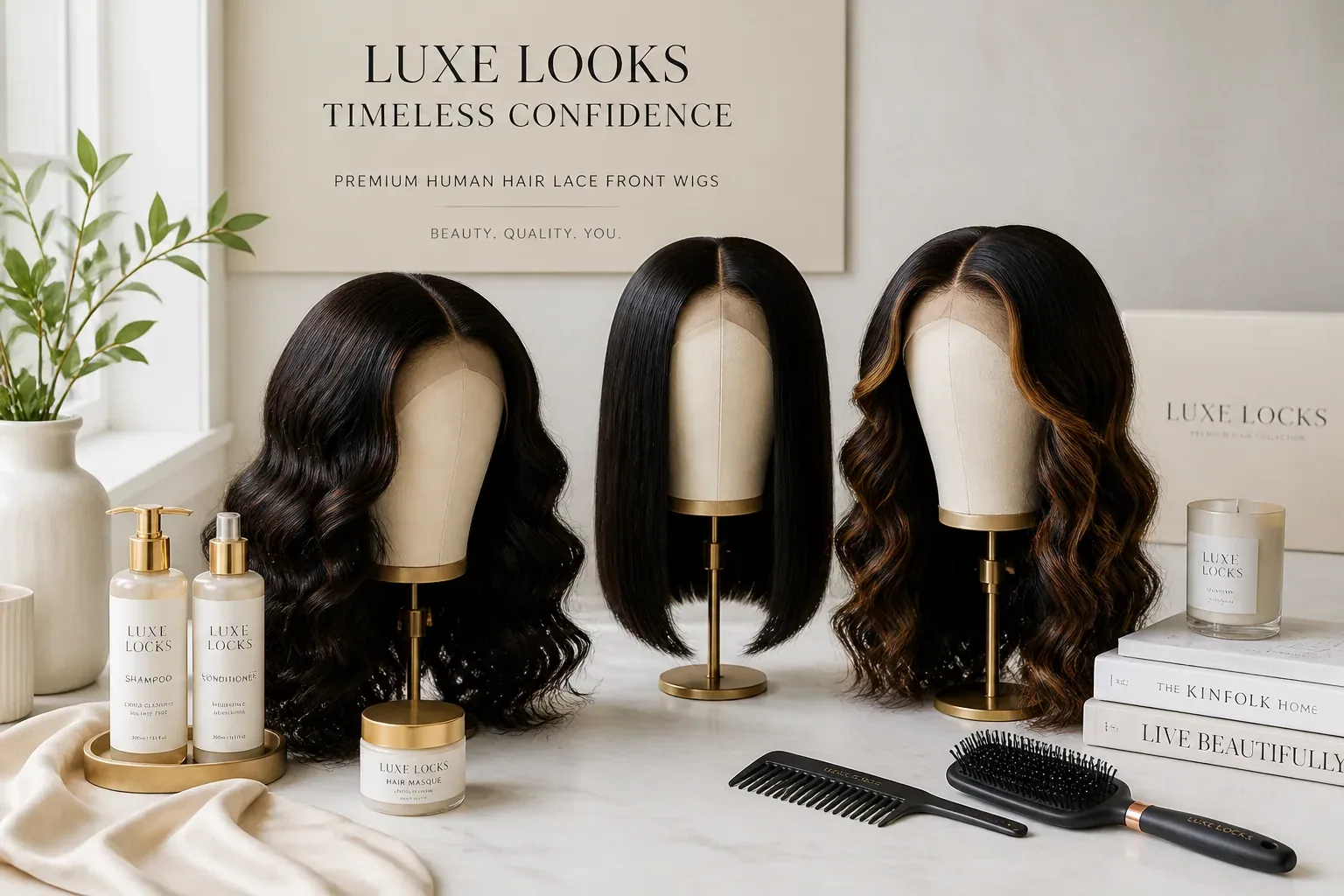
The Complete Guide to Human Hair Lace Front Wigs: Confidence, Style, and Investment
Did you know that 75% of wig wearers report a dramatic boost in confidence within the first week of wearing a quality human hair lace front wig? The transformation isn't just cosmetic—it's psychological. When your hairline looks indistinguishable from natural hair, everything changes.
Human hair lace front wigs have evolved dramatically over the past decade. No longer reserved for theatrical productions or medical necessity, they've become a mainstream fashion and confidence solution. Brands like Xuchang Aixiu Hair Products Co., Ltd. have perfected the craft, creating wigs with 100% human hair, pre-plucked hairlines, and HD lace technology that deliver genuinely undetectable results.
Explore premium human hair lace front wigs that transform your look and boost your confidence today.
Whether you're managing hair loss, exploring a new look, or simply tired of daily styling, these wigs offer flexibility that synthetic alternatives simply can't match. You'll discover what separates premium lace front wigs from standard options, how to select the perfect length and density for your face shape, styling techniques that maximize your investment, and maintenance routines that keep your wig looking salon-fresh for years. By the end, you'll have the confidence to choose a wig that feels like your own hair.
What Makes Human Hair Lace Front Wigs Different From Other Wig Types
Real hair vs. synthetic comparison: Why 100% human hair delivers superior natural appearance, texture, and movement
The difference between human hair and synthetic fibers becomes immediately apparent the moment you put on a quality lace front wig. Human hair moves with your body, responds to humidity and styling tools, and maintains a natural sheen that synthetic fibers struggle to replicate. Synthetic wigs offer convenience—they hold their style through washing and require minimal maintenance—but they lack the authentic movement and texture that make human hair wigs feel genuinely like your own hair.
Real human hair fibers accept heat styling, absorb and release moisture naturally, and age gracefully. Synthetic fibers, while durable, can appear plasticky and develop a dull finish over time. For anyone seeking an undetectable wig, human hair is simply the superior choice.
The lace front advantage: How transparent or HD lace creates an undetectable hairline
The lace front design represents one of the most significant innovations in wig technology. Traditional full-cap wigs feature a visible hairline at the front, making them recognizable as wigs to anyone standing close. Lace front wigs feature a delicate, transparent lace panel across the front hairline that creates the illusion of hair growing directly from your scalp.
HD (high-definition) lace takes this further with an even finer, more transparent construction that becomes virtually invisible against all skin tones. This technology allows you to style your hair off your face with complete confidence, wear it up in ponytails or buns, and never worry about someone spotting a hairline seam.
Pre-plucked hairlines explained: Why this feature matters for realistic density
Pre-plucked hairlines represent another quality marker that separates premium wigs from basic options. Rather than featuring hair densely planted right up to the lace edge, pre-plucked wigs arrive with naturally sparse hairlines that mimic how human hair actually grows. This feature dramatically increases the realism of your lace front.
Some wearers prefer to do their own plucking to customize the hairline shape, but pre-plucked designs provide an immediate, polished look without requiring advanced styling skills.
Adjustable infrastructure: Importance of adjustable straps, combs, and sizing options
A quality lace front wig features multiple sizing and security features that ensure a comfortable, secure fit throughout the day. Adjustable straps at the nape of the neck allow you to customize how snugly the wig sits. Built-in combs along the hairline prevent shifting during movement. These infrastructure elements might seem minor, but they're the difference between a wig that stays in place all day and one that requires constant adjustment.
Longevity factor: How proper care extends the lifespan of human hair wigs
With proper maintenance, human hair lace front wigs remain wearable for 2-5 years. Synthetic wigs, by comparison, typically maintain their appearance for only 6-12 months before fiber degradation becomes noticeable. This longevity dramatically affects the cost-per-wear calculation. A $200 human hair wig worn regularly for three years costs roughly $0.18 per wear, while a $60 synthetic wig worn for six months costs $0.46 per wear.
Choosing the Right Length and Density for Your Face Shape and Lifestyle
Length selection guide: Why 10-inch bobs suit round faces while 20-30 inch lengths complement oval and heart-shaped faces
Wig length should complement your natural face shape and features. Round faces benefit from shorter styles that elongate proportions—10 to 14-inch lengths work beautifully. Oval and heart-shaped faces are more versatile and can carry longer lengths comfortably. Square faces often look best with 16 to 20-inch lengths that soften angular features.
Consider your lifestyle as well. Longer wigs demand more daily maintenance and require careful storage. Shorter styles offer practicality and require less daily styling time.
Understanding density ranges: How 150% density creates a natural, lightweight feel
Density refers to how many hair strands are planted per square inch of the wig cap. Lower densities (150%) create a natural, lightweight appearance that feels less bulky. Higher densities (200%) deliver fuller, more voluminous looks. The choice depends on whether you prefer a natural aesthetic or glamorous volume.
Many wearers find 150% density offers the sweet spot—full enough for substantial styling options but light enough for comfortable all-day wear.
Lifestyle considerations: Matching wig specifications to daily routines
Your daily activities should influence your wig selection. An office worker might prefer a low-maintenance, shorter style that requires minimal styling. Someone with an active lifestyle should consider a wig with secure construction and breathable lace that won't shift during movement. Those in hot climates benefit from lighter densities and breathable cap construction to prevent scalp buildup.
Hair texture matching: Selecting wave patterns, straight, or curly textures
Lace front wigs come in multiple textures—straight, wavy, curly, and everything in between. Selecting a texture that complements your natural hair creates a more cohesive overall appearance if you have natural hairline hair showing. Even if you're covering your entire scalp, choosing a texture you genuinely enjoy wearing makes a significant psychological difference.
Budget-to-benefit ratio: How length and density directly impact pricing
Length and density are the primary price drivers for human hair lace front wigs. A 10-inch wig with 150% density typically costs $50-$100, while a 26-inch wig with 200% density reaches $200-$250+. Understanding this relationship helps you allocate your budget strategically. A longer wig offers more styling versatility but requires more maintenance. A shorter wig demands less care but offers fewer style options.
Styling Versatility: What You Can Actually Do With Human Hair Lace Front Wigs
Heat styling capabilities: Curling, straightening, and blow-drying techniques
One of the primary advantages of human hair wigs is their compatibility with heat styling tools. You can use flat irons to create sleek, straight styles, curl irons to add waves or ringlets, and blow dryers to create volume and movement. This versatility means a single wig can transform into multiple looks.
Apply heat protectant products before styling to minimize damage and extend longevity. Use moderate heat settings rather than maximum temperatures to preserve hair integrity over time.
Coloring and highlighting: Why human hair accepts dye like natural hair
Human hair accepts professional-grade dyes, allowing complete customization. You can highlight, lowlight, or color-block your wig to create dimension and match your personal aesthetic. Many wearers purchase a neutral base color and then customize through professional coloring services.
Professional wig stylists offer coloring services specifically designed for wigs, ensuring results that complement your skin tone and personal style preferences.
Protective styling options: Braiding, twisting, and updo techniques
The lace front design allows you to showcase protective styling options that would be impossible with standard wigs. Braids, twists, buns, and ponytails all reveal the realistic lace front hairline, proving the wig's authenticity. These styles extend the time between washes by redistributing natural oils and reducing manipulation.
Seasonal transformations: Switching between sleek, voluminous, textured, and layered styles
With one high-quality lace front wig, you can create seasonal transformations. Summer might call for sleek, straight styles that feel lighter and cooler. Winter could feature voluminous waves or curls that feel cozier and fuller. This versatility means you don't necessarily need multiple wigs to maintain varied aesthetics throughout the year.
Professional styling services: When to visit a wig specialist versus DIY styling approaches
While many wearers successfully style their wigs at home, professional wig stylists offer expertise that elevates results. They understand how to work with lace, customize hairlines, and create styles that complement your features. First-time wig buyers often benefit from one professional styling session to establish baseline techniques they can maintain at home.
The Maintenance Reality: Time, Products, and Storage Essentials
Weekly washing protocols: Proper shampooing and conditioning techniques
Human hair wigs require regular washing to maintain appearance and longevity, typically every 7-10 wears depending on styling intensity and environmental factors. Use sulfate-free shampoos specifically formulated for wigs, as standard hair products can damage real hair fibers. Gently cleanse with cool water, never rubbing or twisting the hair.
Follow shampooing with deep conditioning treatments designed for wigs. These products restore moisture and maintain softness that daily styling depletes.
Drying and setting methods: Air-drying versus heat-drying and how each affects longevity
Air-drying is gentler and extends wig longevity, but requires planning since wigs need several hours to dry completely. Many wearers air-dry overnight or while they're not wearing the wig. For faster results, low-heat blow-drying works acceptably, though consistently using heat styling accelerates fiber degradation.
Setting pins or wig stands while drying help maintain style and prevent matting.
Detangling best practices: Tools and techniques that prevent breakage
Detangling wet hair is gentler than detangling dry hair. Use wig-specific conditioning sprays and wide-tooth combs or detangling brushes designed for wigs. Work from the ends upward, gently releasing tangles rather than pulling forcefully. Patience during detangling sessions pays dividends in longevity.
Storage solutions: Why wig stands, breathable bags, and climate control extend lifespan
Proper storage protects your wig between wears. Wig stands or heads maintain the wig's shape and prevent matting. Breathable storage bags protect from dust without trapping moisture that could encourage mildew. Store wigs in cool, dry locations away from direct sunlight, which can fade color and degrade fibers over time.
Product recommendations: Sulfate-free shampoos, deep conditioning masks, and wig-specific treatments
Invest in quality wig maintenance products. Sulfate-free shampoos, leave-in conditioning sprays, deep conditioning masks, and wig-specific oils or serums all contribute to maintaining hair quality. While these products represent additional investment, they extend wig longevity and maintain the investment you've already made.
Timeline expectations: Realistic maintenance schedules for different wear frequencies
Daily wig wearers should wash their wigs every 7-10 wears. Those wearing wigs occasionally can extend washing schedules to every 15-20 wears. Adjusting maintenance to your wear frequency prevents over-processing while maintaining hygiene and appearance.
Real-World Performance: Comfort, Breathability, and All-Day Wearability
Scalp comfort factors: How HD lace and breathable cap construction prevent irritation
Extended wig wear can cause scalp irritation if the cap doesn't allow adequate airflow. Quality lace front wigs feature breathable lace and ventilated cap construction that prevents heat and moisture buildup. Some premium wigs include perforated or open-cap designs that maximize breathability for all-day wear.
Weight distribution: Why proper fit and adjustable straps matter for neck and shoulder comfort
An improperly fitting wig causes neck and shoulder strain from uneven weight distribution. Adjustable straps allow you to customize fit, ensuring weight distributes evenly across the head and neck. A properly fitted wig should feel secure but never tight or painful.
Sweat and moisture management: Ventilation features that prevent buildup during hot weather or physical activity
Hot weather and physical activity increase sweating and moisture accumulation. Quality lace front wigs feature construction that allows moisture to evaporate rather than trapping sweat against the scalp. Wig liners (thin caps worn under the wig) absorb sweat and create a barrier between your scalp and the wig.
Itching and sensitivity solutions: Wig liners, scalp treatments, and cap sizing adjustments
Some wearers experience itching or sensitivity to wig materials. Soft wig liners provide a comfortable barrier and absorb perspiration. Scalp treatments and moisturizers prevent dryness that often causes itching. Ensuring proper sizing and fit eliminates pressure points that cause discomfort.
Everyday versus special occasion wear: How the same wig transitions seamlessly between casual and formal settings
Quality human hair lace front wigs transition effortlessly from everyday casual to special occasion formal. You can wear the same wig with a sleek, natural style to the office and then restyle it with glamorous waves for evening events. This versatility maximizes the value of your investment.
Price Breakdown: Understanding What You're Actually Paying For
Entry-level options ($50-$100): What features and quality you can expect
Entry-level wigs typically feature shorter lengths (10-14 inches), standard lace front construction, and 150% density. These wigs deliver undetectable hairlines and real human hair benefits at accessible price points. Quality varies by manufacturer, so purchasing from established brands remains important even at lower price ranges.
Mid-range investment ($100-$175): Sweet spot for most buyers
Mid-range wigs offer the best balance of quality, features, and price for most buyers. These typically feature 16-20 inch lengths, HD lace construction, pre-plucked hairlines, and 150-180% density. This price range delivers durability and styling versatility without premium customization costs.
Premium selections ($175-$250+): Luxury features including hand-tied construction
Premium wigs feature extended lengths (22-30 inches), hand-tied construction for individual hair placement, custom coloring services, and premium lace quality. These wigs offer maximum styling versatility and the most natural appearance possible. Extended warranties and personalized customer service often accompany premium pricing.
Hidden costs to budget: Wig stands, maintenance products, professional styling
Beyond the wig purchase, budget for supporting infrastructure: wig stands ($15-$50), maintenance products ($50-$100 annually), occasional professional styling ($100-$200), and eventual replacement. These additional costs are still typically lower than the cost of regular salon visits for comparable hair results.
Value calculation: Cost-per-wear analysis showing why premium wigs deliver better long-term value
A $250 premium wig worn daily for three years (approximately 1,000 wears) costs $0.25 per wear. A $75 budget wig worn for one year (approximately 250 wears) costs $0.30 per wear. Premium wigs deliver better long-term value despite higher upfront investment.
Comparing Top Brands and Quality Indicators You Should Know
Construction quality markers: Hand-tied versus machine-made differences
Hand-tied wigs feature individual hairs tied to the lace cap, creating movement that mimics natural hair growth. Machine-made wigs feature hair sewn in rows, which creates a less natural appearance and reduced styling versatility. Hand-tied construction increases cost but dramatically improves realism and longevity.
Lace quality spectrum: Standard lace versus HD lace versus 360 lace technology
Standard lace is functional but visible up close. HD (high-definition) lace is thinner and nearly invisible. 360 lace extends across the entire wig cap perimeter, allowing styling in any direction. Understanding these specifications helps you match your budget to your styling needs.
Hair sourcing standards: Virgin hair, remy hair, and non-remy classifications
Virgin hair has never been chemically treated, offering superior longevity and styling versatility. Remy hair maintains directional cuticles aligned in the same direction, reducing tangling. Non-remy hair has cuticles stripped and randomly aligned, reducing lifespan. Prioritizing remy or virgin hair sourcing ensures better long-term results.
Manufacturer reputation: Why established brands like Xuchang Aixiu maintain consistent quality
Established manufacturers maintain quality through rigorous production standards and customer service commitment. Xuchang Aixiu Hair Products Co., Ltd. has built its reputation on consistent, quality human hair wigs backed by responsive customer support. Purchasing from established manufacturers protects your investment through accountability and expertise.
Warranty and return policies: Protection mechanisms that safeguard your investment
Quality manufacturers offer warranties covering construction defects and return policies allowing trial periods. These protections safeguard your investment and provide recourse if the wig doesn't meet expectations. Always review warranty and return policies before purchasing.
Styling Tips From Professionals: Maximize Your Wig's Potential
Foundation techniques: How to properly apply, secure, and adjust your wig
Proper wig application begins with a wig cap that keeps your natural hair secured flat against your head. Apply the wig at the front hairline first, then smooth backward, ensuring the lace sits against your skin. Use wig glue or adjustable straps to secure the wig, depending on your preference and lifestyle.
Blending with natural hair: Strategies for creating seamless transitions
If you have natural hair at your hairline or temples, professional blending makes transitions seamless. Matching wig color to natural hair, layering edges, and using concealing products (like foundation or root touch-up spray) create cohesive appearances.
Creating dimension: Highlighting, lowlighting, and color-blocking techniques
Professional coloring services add dimension that makes wigs appear more natural. Strategic highlights or lowlights create depth that solid colors can't achieve. Color-blocking (sections of contrasting colors) creates artistic, fashion-forward statements.
Texture enhancement: Using styling tools to amplify waves, curls, or create sleek finishes
Heat styling tools can intensify existing texture or create entirely new looks. Curling irons enhance wave patterns, straightening irons create sleek finishes, and blow dryers add volume and movement. Mastering these tools maximizes your wig's versatility.
Quick styling hacks: 5-minute refresh methods for busy days
Dry shampoo or wig refresh sprays restore volume and texture between washes. Quick-set styling techniques using braids or pin curls set waves overnight without heat. These shortcuts help maintain appearance on busy days without requiring full washing and styling.
Video tutorial resources: Where to find professional styling demonstrations
YouTube, manufacturer websites, and professional wig stylist channels offer free styling tutorials. Watching professionals demonstrate techniques on actual wigs accelerates your learning curve and builds confidence in trying new styles.
Common Concerns Addressed: Shedding, Tangling, and Durability Questions
Why shedding happens: Normal hair loss versus excessive shedding as a quality indicator
Minimal shedding is normal—real hair naturally sheds just like the hair on your head. A few stray hairs after brushing is acceptable. Excessive shedding (large clumps of hair) indicates either poor quality or improper care. Track shedding patterns to identify potential problems early.
Tangling prevention strategies: Detangling sprays, brushing techniques, and preventative care
Wig-specific detangling sprays reduce friction and make brushing easier. Brushing carefully from ends upward prevents knots from forming. Protective styling (braids, twists) reduces manipulation and tangles. Proper washing and conditioning also minimize tangling.
Lifespan expectations: Realistic timelines based on wear frequency, styling intensity, and maintenance quality
Daily wearers with intensive styling should expect 2-3 years of acceptable appearance. Casual wearers who style gently can extend this to 4-5 years. Wearers who maintain rigorous care routines maximize lifespan. Realistic expectations help you decide when replacement is economically justified.
When to retire a wig: Signs that replacement is necessary versus salvageable repair situations
Excessive shedding, widespread matting that doesn't respond to conditioning, significant color fading, or lace deterioration all signal replacement time. Minor issues like small bald spots or isolated tangling sometimes respond to professional repair services, which cost $50-$150.
Warranty claims: Understanding coverage and how to address manufacturer defects
Quality manufacturers cover construction defects like lace damage, cap seams separating, or excessive shedding within warranty periods (typically 6-12 months). Document defects with photos and contact manufacturers with proof of purchase to initiate claims. Clear warranty terms prevent misunderstandings about coverage.
Second-life options: Donation, resale, or repurposing strategies for retired wigs
Retired wigs sometimes donate to organizations supporting those with hair loss or theatrical productions. Online resale platforms serve budget-conscious buyers. Some creative wearers repurpose retired wigs as weft hair for protective styling or donate them for cosplay or costume use.
Making Your Decision: The Right Human Hair Lace Front Wig for You
Assessment questionnaire: Key questions about lifestyle, budget, styling preferences, and wear frequency
Before purchasing, ask yourself: How often will I wear this wig (daily or occasionally)? What's my realistic maintenance commitment level? Do I prefer natural or glamorous aesthetics? Should I prioritize comfort for all-day wear or styling versatility? What length and density appeal to me? What's my total budget including accessories and maintenance? Honest answers guide you toward the right selection.
Trial period strategies: How to test wigs before committing to full-price purchases
Some retailers offer trial periods allowing you to wear wigs at home before final purchase commitment. This approach helps ensure the wig style, fit, and color genuinely work for you. If trial periods aren't available, purchasing from retailers with generous return policies provides protection.
Customization options: Ordering specifications like length, density, color, and lace type
Many manufacturers allow customization of base specifications. You might choose a specific length, density, lace type, and color combination. Understanding available customization options helps you order a wig tailored to your exact needs rather than compromising on standard options.
Seller evaluation: Red flags and green flags when choosing where to purchase
Reputable sellers feature detailed product descriptions, authentic customer reviews, professional photos showing hairlines and construction, and responsive customer service. Red flags include vague descriptions, obviously fake reviews, poor quality photos, and unresponsive communication. Purchase from established sellers with proven track records.
Return and exchange policies: Understanding your protection if the wig doesn't meet expectations
Before purchasing, thoroughly review return, exchange, and refund policies. Quality sellers allow returns if the wig genuinely doesn't meet expectations. Avoid sellers with restrictive policies that provide no recourse if problems arise. Clear policies protect your investment.
Building your collection: Why many enthusiasts maintain multiple wigs for different occasions
Many experienced wig wearers maintain collections of 2-4 wigs for different occasions and styling moods. A versatile everyday wig, a glamorous special-occasion wig, and perhaps a protective-style wig provide options that justify the investment in quality. Building a collection gradually spreads costs while maximizing wardrobe possibilities.
Your Investment in Confidence: Moving Forward With Your Wig Journey
Human hair lace front wigs represent far more than a cosmetic purchase—they're an investment in how you present yourself to the world. The combination of realistic hairlines, styling versatility, and genuine durability makes them worth the premium price tag, especially when you calculate cost-per-wear over months and years of use.
Yes, maintenance requires commitment. Yes, the upfront investment stings more than synthetic alternatives. But the confidence boost, the freedom to experiment with styles, and the ability to wake up and feel genuinely like yourself? Those benefits compound daily. The key to maximizing your investment lies in three pillars: choosing the right specifications for your lifestyle, committing to proper maintenance routines, and selecting a reputable manufacturer that stands behind their product.
Brands like Xuchang Aixiu Hair Products Co., Ltd. have built their reputation on understanding that quality human hair wigs demand precision in construction, material sourcing, and customer support. When you purchase from established manufacturers, you're not just buying hair—you're buying expertise, consistency, and accountability.
Start by honestly assessing your needs. Are you looking for everyday confidence, special occasion glamour, or a complete hair solution? Your answer determines whether a $75 basic lace front or a $250 premium customized option makes sense for your situation. Take time to research styles that complement your face shape, experiment with lengths and densities, and don't hesitate to reach out to sellers with detailed questions. The wig community is remarkably supportive, and most manufacturers offer guidance to first-time buyers.
Your perfect human hair lace front wig is waiting. The question isn't whether you can afford it—it's whether you can afford to wait any longer to experience the transformation that thousands of satisfied wearers already enjoy.