FORTHiQ Knee Massager Buying Guide: Features, Prices, and What to Check First
Compare FORTHiQ knee massager models, current prices, heat settings, and practical drawbacks to decide which option fits your needs, budget, and home routine.
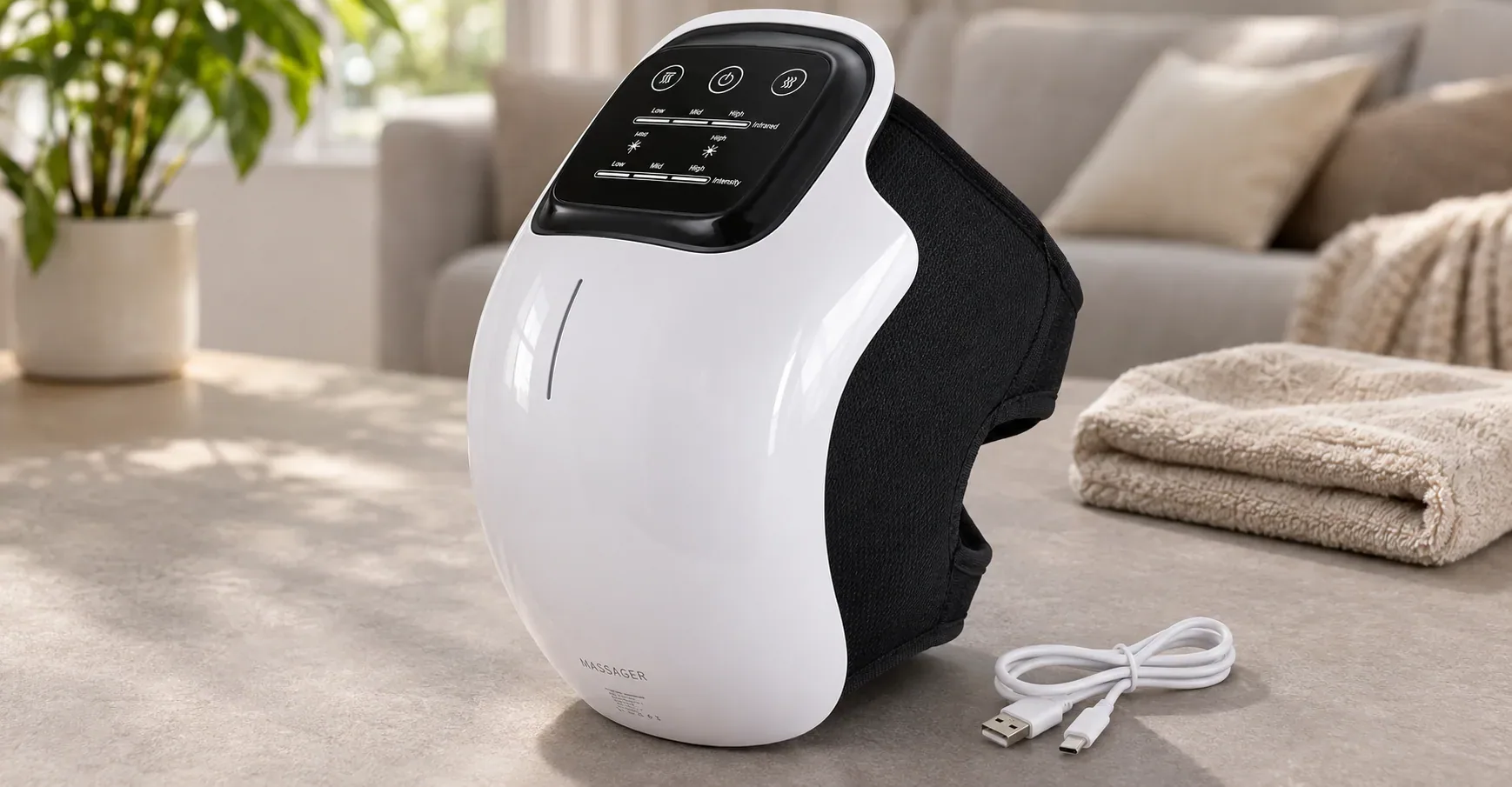
Shopping for a FORTHiQ knee massager can leave you comparing similar-looking devices with different prices and settings. The useful question is simple: which features would you actually use?
The brand’s current knee massager range includes Smart and Pro+ models with heat, vibration, and red light functions. This guide compares their listed features, prices, and practical tradeoffs so you can judge the purchase without relying on sales promises.
Which FORTHiQ knee massager should you compare first?
Smart and Pro+ are a sensible starting point because the website directly compares them. Both provide the same three broad functions, while Pro+ adds settings and convenience features.
You do not need to choose the higher-priced model automatically. A feature has value when it solves a problem in your routine, such as repeatedly adjusting controls or wanting another intensity setting.
The table below summarizes the manufacturer’s current comparison.
| Buying factor | Smart | Pro+ |
|---|---|---|
| Listed price in USD | $119 | $149 |
| Heat settings | Three | Four |
| Vibration settings | Three | Four |
| Red light specification | Single wavelength | Dual wavelength |
| Saved settings | Not included | Included |
| Advertised warm-up time | 60 seconds | 30 seconds |
Prices and specifications checked November 12, 2026. Prices can change.
The side-by-side model details help explain the $30 difference. Your decision should rest on those practical differences rather than the model names.
What do the heat, vibration, and light functions mean for you?
A knee massager with heat puts several functions in one device. That can simplify setup, although a longer feature list does not guarantee a better personal result.
It helps to separate what the device does from what you hope it will achieve. Adjustable warmth and vibration are features you can evaluate during use. Claims about treating a condition need a different level of evidence.
How useful are adjustable heat settings?
Smart has three heat settings, while Pro+ has four. The extra setting gives you another adjustment option, though the number alone cannot tell you which temperature will feel comfortable.
When comparing a heated knee massager, your preferred warmth matters far beyond the highest available setting. You want controls that let you find a comfortable level without a frustrating setup.
What kind of massage should you expect?
The Pro+ product page describes vibration rather than forceful kneading. That distinction matters if you expect moving rollers, firm pressure, or a massage similar to hands-on treatment.
Your expectations should match the mechanism. Someone who likes a gentle vibrating sensation may judge the experience differently from someone seeking strong pressure.
The listed massage functions are useful for understanding what you are paying for before interpreting customer feedback.
Should red light decide your purchase?
The manufacturer lists single-wavelength light for Smart and dual-wavelength light for Pro+. That establishes a specification difference; it does not establish how much benefit you personally will receive.
A sensible buying decision should hold up without assuming dramatic results from the light function. Fit, usable controls, price, and return terms remain important even when a device includes this feature.
Is Pro+ worth the additional $30?
At the checked prices, Pro+ costs $30 extra. Its saved-settings function may be useful if you prefer repeating the same setup, while Smart may suit you if you are comfortable selecting settings each time.
Think about small daily annoyances. If repeating button presses would discourage you from using the device, memory could be a worthwhile convenience. If that task sounds easy, it may have little value to you.
The current model specifications provide a better basis for that decision than a discount percentage.
A useful budget test is to describe the upgrade in one sentence. If your reason is simply “it is the premium version,” you may not have found a feature worth paying for yet.
What practical drawbacks deserve attention?
A knee massager buying guide should help you picture ownership after the package arrives. Charging, fastening, storage, and control placement can influence your satisfaction as much as the advertised functions.
Will the shape and straps suit you?
Product photos cannot confirm comfort on your leg. You need enough information about the device’s shape, fastening system, and fit to judge how it might sit around your knee.
An adjustable strap does not automatically guarantee a comfortable fit for every person. Unclear sizing is a good reason to get an answer before placing an order.
Does cordless use fit your habits?
Pro+ is listed as a cordless knee massager with a rechargeable battery. That can suit a planned session away from a nearby outlet, but charging becomes another ownership task.
Your intended location matters. A device you keep beside a favorite chair may fit your habits better than one you expect to carry around throughout the day.
The product photos and descriptions can help you assess that setup, although they cannot replace trying the fit yourself.
What can this comparison tell you about results?
This guide evaluates published specifications and buying terms. It does not report hands-on testing or establish that either model will address the cause of your knee discomfort.
That leaves a practical limit: you can compare features before buying, but you cannot confirm personal comfort from a specification sheet. Clear return terms therefore deserve real weight in your decision.
Knee massager vs heating pad: which fits your goal?
The knee massager vs heating pad question starts with the experience you want. Is your priority straightforward warmth, or do you specifically want a fitted device with vibration and light functions?
If warmth is your only goal, a heating pad belongs on your comparison list. Paying for extra functions makes sense only when you expect to use them.
A fitted massager may suit you if keeping several controls in one device sounds convenient. Your comparison should include fastening, storage, care instructions, and total price, rather than features alone.
Neither product’s description can tell you why your knee hurts. Shopping information supports a purchase decision; it cannot replace an assessment when you need one.
What should you check about returns and warranty coverage?
The refund policy states that return periods vary by product: selected items have 90 days, while others have 30 days. The period shown for the purchased product applies.
That means a general website banner is not enough to settle your return window. Your exact model and order terms matter.
The published purchase terms should answer questions about the deadline, permitted condition, return process, and refund handling.
Warranty coverage deserves a separate check. The website advertises a free warranty extension with registration within 30 days, so that deadline may matter after delivery.
Keeping your receipt and a copy of the terms gives you a useful record if questions arise later. A return window and a warranty serve different purposes, so one should not stand in for the other.
How should you read customer reviews?
Specific comments are useful when they address details you care about: fastening, controls, charging, or comfort while seated. A short statement that a device is “great” gives you little help with those questions.
Review dates and model names matter, too. Feedback about another version may describe different controls or settings.
The customer feedback displayed on the site is best treated as individual experience. A seller-hosted review section can supply useful questions, but it cannot guarantee your result.
Which option fits your needs and budget?
For a knee massager for home use, Smart is the lower-priced option if its available settings meet your needs. Pro+ becomes easier to justify when saved settings and the additional adjustments matter to your routine.
You do not need the longest feature list. You need a comfortable fit, manageable controls, a suitable price, and purchase terms you understand.
If those basics line up, you can compare the current options and purchase details before choosing. The right purchase is the one you can explain through practical needs rather than hopeful promises.