Walk-In Lab Lipid Panel: Affordable At-Home Cholesterol Test
Discover how the Walk-In Lab Lipid Panel Test makes cardiovascular screening affordable and convenient. Learn what's tested, pricing, fasting requirements, and why direct-access lab testing is transforming personal health monitoring.
Understanding Your Cholesterol: The Walk-In Lab Lipid Panel Test Guide
Nearly 1 in 5 Americans have high cholesterol without knowing it—and many avoid traditional doctor visits simply because of the hassle and cost. The consequences of this avoidance are real: unmonitored cholesterol levels silently increase your risk for heart disease, yet most people wait for a health crisis before getting tested. Direct-access laboratory testing has revolutionized how people take control of their cardiovascular health by eliminating the middleman—no doctor's appointment required, no insurance headaches, no weeks of waiting.
The Walk-In Lab Lipid Panel Test stands as their flagship offering, combining trusted lab-based accuracy with the convenience of online ordering and nearby lab locations. This self-ordered test has become wildly popular among health-conscious individuals who want straightforward answers about their heart health without navigating the traditional healthcare system. Thousands of people order this test monthly specifically because it removes barriers to knowledge about their cardiovascular status.
Get your Walk-In Lab Lipid Panel Test ordered today and take charge of your heart health tomorrow.
What Exactly Gets Measured in a Walk-In Lab Lipid Panel?
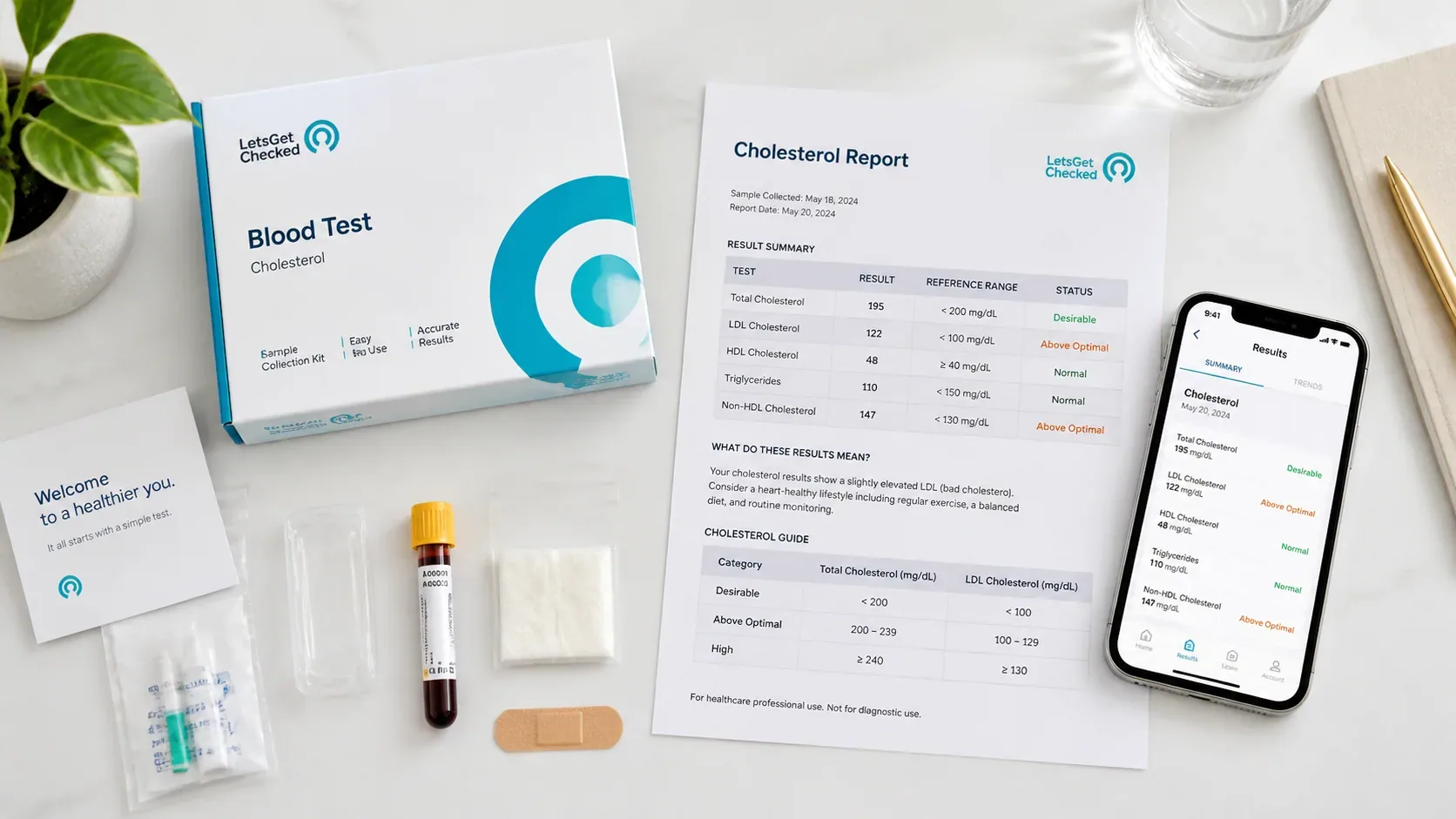
Your lipid panel provides a comprehensive snapshot of your cardiovascular health through several key measurements. Each marker tells a different part of your health story and contributes to your overall risk assessment.
Total cholesterol levels represent your complete blood cholesterol count, combining all types circulating in your bloodstream. This foundational number gives you a general sense of your overall cholesterol burden.
HDL cholesterol, known as the "good" kind, actively protects your cardiovascular system by removing plaque buildup from your arteries. Higher HDL levels correlate with better heart health outcomes, making this a number you actually want to see elevated.
LDL cholesterol, the "bad" kind, serves as the primary culprit behind arterial buildup and cardiovascular risk. This is the marker that requires the most attention, as elevated LDL directly contributes to plaque formation and heart disease development.
Triglycerides are blood fats that spike after eating and correlate strongly with heart disease risk. These often-overlooked markers frequently rise when people consume excess carbohydrates or sugar, making them particularly relevant to modern diets.
Your panel also includes the cholesterol-to-HDL ratio, an advanced metric that predicts cardiovascular disease risk more accurately than total cholesterol alone. Cardiologists increasingly rely on this calculation because it accounts for both harmful and protective cholesterol simultaneously.
The VLDL calculation (very low-density lipoprotein) gets derived from your triglyceride measurements and represents another risk factor for arterial disease. Finally, non-HDL cholesterol provides an alternative risk assessment marker that many cardiologists now favor over traditional total cholesterol measurements.
The Real-World Process: From Order to Results
Ordering your lipid panel involves straightforward steps that can be completed from your couch. The entire process—from purchase to result delivery—typically unfolds over just a few days.
Online ordering simplicity means you purchase directly through Walk-In Lab's platform without requiring provider authorization. No prior doctor's visit, no phone calls, no forms to send to insurance companies. You simply select the lipid panel, add it to your cart, and complete your purchase online.
Lab location accessibility comes next. Walk-In Lab's location finder helps you identify certified draw centers near you—most people find multiple options within a short drive. These are actual medical labs staffed with phlebotomists trained in blood draws, not makeshift collection sites.
During your appointment, you'll experience a standard blood draw procedure that typically takes 5-10 minutes from check-in to completion. The phlebotomist will draw a small blood sample, label it with your information, and send it to the processing lab.
Fasting recommendations suggest abstaining from food for 9-12 hours before your draw, particularly if you want the most accurate triglyceride measurements. This timing matters because triglycerides spike significantly after eating, and fasting provides the clearest picture of your baseline levels. If fasting isn't possible, you can still get tested—just note this on your results.
Your turnaround timeline typically spans 24-48 hours after sample processing. Many people receive results within this window, though some facilities may take slightly longer depending on their processing schedule.
Digital result access arrives through a secure online portal showing your complete lipid profile alongside reference ranges. You can view your results anytime, download them for your records, or share them with a healthcare provider.
Walk-In Lab provides result interpretation guides and educational resources explaining what your numbers mean in practical terms. These resources translate clinical language into understandable health information, helping you make sense of your personal data.
Pricing Breakdown and What You're Actually Paying For
The cost structure of Walk-In Lab's lipid testing represents one of its greatest advantages over traditional medical visits.
A standard lipid panel cost typically falls in the $20-$40 range for basic five-marker screening. This price represents a fraction of what you'd pay through a traditional doctor's visit with associated copays, facility fees, and insurance processing charges.
Premium panel options provide expanded testing including apolipoprotein measurements and additional cardiovascular markers, generally ranging from $40-$60. These comprehensive options appeal to people with family histories of heart disease or those seeking more detailed metabolic insights.
Promotional pricing appears seasonally throughout the year, with discounts and bundle deals that lower per-test costs even further. Walk-In Lab frequently runs specials that can reduce your out-of-pocket expense significantly.
Critically, there are no hidden lab fees. Walk-In Lab maintains transparent pricing with no surprise charges at draw centers. What you see during checkout is what you pay—nothing added at the lab location.
When you compare insurance alternatives, direct-access pricing often beats copays and deductibles. Even with insurance coverage, your out-of-pocket cost at a traditional clinic frequently exceeds Walk-In Lab's transparent pricing, particularly once you factor in the doctor's visit expense.
Bulk testing packages offer savings when ordering multiple tests for family members. If you're establishing baseline health data for several household members, quantity discounts make the investment even more affordable.
Understanding Your Results and Next Steps
Your results arrive with numbers, but those numbers only matter once you understand what they mean for your health trajectory.
Reference range explanations clarify what "normal," "borderline," and "high" actually mean for each marker. Your results will show these ranges, but understanding them requires context. Normal total cholesterol typically sits below 200 mg/dL, borderline ranges from 200-239 mg/dL, and high exceeds 240 mg/dL—though these thresholds can shift based on individual risk factors.
Cardiovascular risk assessment translates your lipid profile into real health risk categories. Your complete panel positions you somewhere on the spectrum from low-risk to high-risk for heart disease events. This categorization considers all markers together rather than focusing on any single number in isolation.
LDL goals by health status vary significantly depending on whether you have existing heart disease or are focused on prevention. If you have established cardiovascular disease, your LDL goal might target below 70 mg/dL. For prevention in healthy individuals, below 100 mg/dL generally represents an acceptable target, though lower often proves better.
Ratio interpretation requires understanding what cardiologists actually seek. A cholesterol-to-HDL ratio below 5:1 generally indicates favorable risk, while ratios above 5:1 suggest higher cardiovascular risk. This single ratio often communicates risk more effectively than looking at cholesterol numbers independently.
Trending over time proves invaluable for long-term health monitoring. Comparing results across multiple tests reveals patterns that single snapshots cannot. Perhaps your triglycerides drop after implementing dietary changes, or your HDL improves with consistent exercise. These trends demonstrate whether your lifestyle modifications actually work.
When to seek medical follow-up becomes important if your results include red flags. Extremely elevated LDL, triglycerides over 500 mg/dL, or other concerning markers warrant a conversation with a healthcare provider. Your results don't replace professional medical judgment—they inform it.
Lifestyle modification strategies backed by research can meaningfully improve your lipid profile. Increasing soluble fiber intake through oats and beans helps lower LDL. Regular cardiovascular exercise raises protective HDL cholesterol. Reducing refined carbohydrates and added sugars lowers triglycerides. These evidence-based approaches often produce measurable improvements within weeks.
Medication discussion points become relevant if your doctor considers statin therapy. Bringing your Walk-In Lab results to these conversations ensures your doctor has current, accurate data for treatment decisions.
Take Ownership of Your Cardiovascular Health Today
The Walk-In Lab Lipid Panel Test represents more than just a budget-friendly alternative to traditional testing—it's a statement about taking control of your health without waiting for permission or paying unnecessary middleman fees. Your lipid profile tells a story about your heart health, your metabolic function, and your future risk trajectory.
Whether you're tracking the impact of a new fitness routine, managing family history concerns, or simply establishing a baseline for preventive health, this test delivers actionable data in your hands within days. The convenience removes every excuse to remain ignorant about your cholesterol status. The affordability makes regular monitoring accessible to anyone. The accuracy ensures you're getting clinically valid results from certified laboratories.
Your cardiovascular health shouldn't depend on navigating complex insurance systems or waiting months for a doctor's appointment. You deserve immediate, affordable access to information about your heart health. Your future self—the one who either experienced a preventable cardiac event or enjoyed decades of vibrant health—depends on decisions you make today.