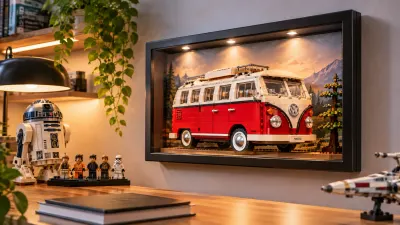
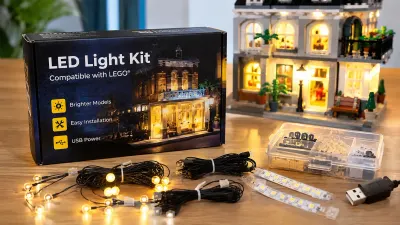
AutoPartsToys Best-Selling Toy Car Accessories
Discover AutoPartsToys' best-selling toy car accessories, from LED lights to custom lighting kits. Explore realistic upgrades for RC cars, scale models, and die-cast collections.
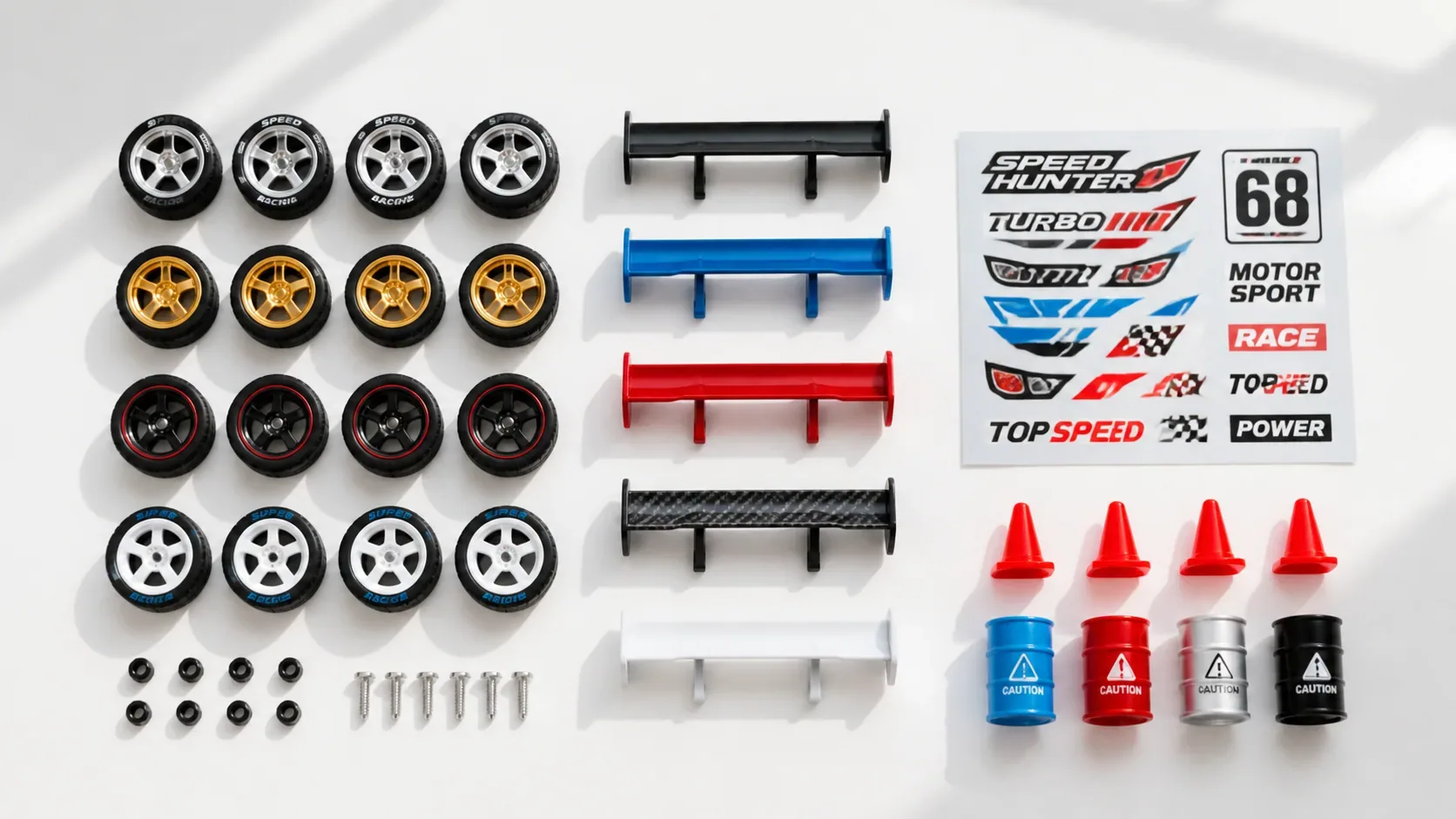
Over 60% of serious model car enthusiasts upgrade their collections with aftermarket lighting and accessories within their first year of the hobby. Yet many builders don't realize how dramatically a few strategic upgrades can transform their prized vehicles from ordinary to showstopping. These enhancements aren't just about aesthetics—they represent a shift from casual collecting to intentional curation, where every detail matters.
AutoPartsToys has carved out a reputation in the hobbyist community for delivering exactly what builders need: realistic, affordable upgrades that enhance both appearance and functionality. Their best-selling toy car accessories—particularly their LED lighting systems—have become the go-to solution for anyone serious about customization. Whether you're working with die-cast models, RC vehicles, or scale replicas, these products bridge the gap between casual collecting and professional-grade customization.
Explore AutoPartsToys' collection of best-selling toy car accessories today.
This guide walks you through everything you need to know about AutoPartsToys' top-performing accessories, from understanding what makes their LED lights so popular to evaluating whether they're the right fit for your specific projects. You'll learn about installation realities, compatibility factors, and real-world performance—so you can make an informed decision before your next purchase.
Why LED Lighting Dominates AutoPartsToys' Best-Seller List
LED lighting has become the centerpiece of serious model car customization, and for good reason. The visual transformation is immediate and dramatic. A basic die-cast vehicle or RC car suddenly gains depth, character, and authenticity when equipped with realistic LED headlights, taillights, or underglow effects. This isn't just decoration—it's the difference between a model that sits on a shelf and one that commands attention.
The Visual Impact on Scale Models and RC Vehicles
When LED lights hit a scale model, they don't just make it brighter. They fundamentally change how the eye perceives the entire vehicle. Headlights create the illusion of dimensionality. Brake lights catch at different angles. Underglow effects add a layer of realism that static paint or decals simply cannot achieve. For RC vehicles, this impact multiplies because the model is often photographed or displayed in various lighting conditions, and functional lighting systems adapt to those environments in ways that static details cannot.
Standard vs. Realistic Lighting: The Real Difference
Basic toy car accessories focus on protective elements or cosmetic additions—bumpers, spoilers, paint schemes. Realistic lighting upgrades operate on an entirely different level. They add functionality and visual depth that elevates a model from "nice looking" to "impressive." The distinction matters because collectors and builders recognize this difference immediately. A model with authentic LED lighting suggests investment, attention to detail, and genuine passion for the hobby.
How LED Systems Enhance Display Appeal and Collector Value
Collections displayed with proper lighting tell a story. Models grouped together with coordinated lighting schemes create visual impact that catches the eye. Photography becomes easier—LED-equipped models photograph significantly better in both natural and controlled lighting. For collectors, this matters because the hobby increasingly intersects with social media documentation and online showcasing. A well-lit collection stands out in forums, on display shelves, and in photography.
The Psychology Behind Lighting Prioritization
Hobbyists naturally prioritize lighting upgrades because they deliver immediate, visible results. You invest $20–$30 and see a transformation within hours. This instant gratification factor, combined with the technical satisfaction of completing an installation, makes LED systems psychologically rewarding. Builders feel they've accomplished something tangible and aesthetic.
Real-World Transformation Examples
Consider a standard die-cast muscle car. In its unmodified state, it's a nice collectible. Add a set of AutoPartsToys' LED headlights and brake lights, and suddenly the vehicle has personality. The lights respond to the model's angle, creating shadows and highlights that suggest movement and realism. A basic RC car becomes competition-ready. A scale model display transforms into a gallery-quality presentation.
Market Demand Among Enthusiasts and Collectors
The popularity of LED lighting among model car enthusiasts isn't coincidental. Industry trends show consistent year-over-year growth in lighting accessory sales specifically because the hobbyist community has recognized and embraced this upgrade path. Experienced builders mentor newcomers directly toward lighting as the next logical step after basic assembly and paint.
Breaking Down AutoPartsToys' LED Light Specifications and Features
Understanding what you're actually buying matters before making a purchase. AutoPartsToys' LED lighting systems come with specific technical characteristics that determine fit, function, and compatibility with your models.
Brightness Levels and Color Options
LED brightness varies significantly across AutoPartsToys' product line. Most systems offer multiple brightness levels, from subtle accent lighting to eye-catching primary illumination. Color options typically include white (for headlights and general lighting), red (for brake lights and rear indicators), blue (for underglow and accent effects), and amber (for turn signals or specialized applications). Different projects demand different colors, and the range available accommodates most customization scenarios.
Plug-and-Play Wiring Systems
One of AutoPartsToys' standout features is the emphasis on simplified installation. Many of their LED systems use plug-and-play connectors rather than requiring direct solder work. Pre-assembled wiring harnesses with standardized connectors significantly reduce the technical knowledge barrier. Beginners can achieve professional results without extensive electrical experience.
Durable Housing Materials
LED housings come in plastic or metal construction, each with distinct advantages. Plastic housings are lightweight and ideal for scale accuracy on models where weight matters for performance. Metal housings offer enhanced durability and heat dissipation for systems running continuously. AutoPartsToys offers both options depending on the specific product and intended use case.
Compatibility with Hobby Batteries and RC Power Systems
These LED systems integrate with standard hobby batteries—the same power sources that run most RC vehicles and scale model controllers. Voltage compatibility with common setups (typically 6V, 12V, or 18V systems) means you're not forced into proprietary power solutions. This compatibility is crucial for builders who already have established battery infrastructure.
Weight Considerations for Scale Accuracy
For scale models where realism extends to weight distribution, AutoPartsToys designs their LED systems to minimize impact. Lightweight LEDs and wiring maintain proper proportions and don't throw off a model's balance or appearance. This attention to detail separates serious hobby products from generic toy accessories.
Remote Control Capabilities and Multi-Mode Functions
Premium lighting packages from AutoPartsToys include remote control functionality, allowing you to toggle lights on and off without physical access to the model. Multi-mode options might include steady illumination, pulsing effects, color cycling, or synchronized lighting sequences. These features appeal to both display enthusiasts and competitive builders.
Size Variations Across Model Scales
AutoPartsToys recognizes that a 1:64 scale die-cast model needs different LED components than a 1:10 RC vehicle. Their product range includes size variations specifically engineered for different scales. This consideration prevents mismatches between lighting and model proportions.
Check out the full range of LED specifications and features available at AutoPartsToys.
Installation and Customization: What You Actually Need to Know
The difference between an impressive upgrade and a frustrating experience often comes down to realistic expectations about installation. Understanding what you're getting into before you unbox a product prevents disappointment and wasted time.
Step-by-Step Installation Process
Installation typically follows a logical sequence. First, identify mounting points on your model—existing holes, undercarriage areas, or custom fixtures. Second, run wiring carefully through the model's frame to avoid interference with moving parts. Third, connect the LED module using provided connectors or solder points. Finally, test the system and secure all components. The exact steps vary by model and LED system, but this general framework applies across most AutoPartsToys products.
Basic Wiring Knowledge Requirements
Some AutoPartsToys systems require virtually no technical knowledge—you connect pre-assembled modules and you're done. Others demand basic understanding of positive and negative polarity, wire gauges, and possibly simple soldering. Honestly assessing your comfort level with these concepts before purchasing prevents frustration. Beginners should prioritize plug-and-play options until gaining experience.
Fitment Challenges with Specific Vehicle Models
Not every LED system fits every model perfectly. Vehicle designs vary significantly, and mounting locations that work for one model might be problematic for another. Some models have limited undercarriage space. Others have unusual body shapes that complicate light housing placement. Research specific fitment before assuming universal compatibility.
Troubleshooting Common Installation Issues
When LEDs don't work immediately after installation, the problem is usually one of four things: dead batteries, incorrect polarity (positive and negative wires reversed), loose connections, or incorrect voltage. Methodically checking each of these resolves 95% of installation problems. Community forums dedicated to model car customization can help with more stubborn issues.
Customization Possibilities Beyond Standard Setups
The basic AutoPartsToys kits represent starting points, not limitations. Experienced builders combine multiple kits, add custom connectors, integrate with existing lighting systems, and create effects beyond standard configurations. This flexibility appeals to hobbyists who want their projects to stand out from typical builds.
Tools and Materials Needed for Success
Beyond the LED kit itself, you'll likely need a screwdriver set, wire strippers, possibly a soldering iron and solder, small pliers, and electrical tape. For plug-and-play systems, tools are minimal. For more advanced installations, basic electronics tools become necessary. Assess which category your chosen system falls into and gather materials accordingly.
Time Investment for Complete Installation
A straightforward plug-and-play LED installation takes 30–90 minutes depending on model complexity. More involved customizations can require several hours spread across multiple sessions, especially if you're testing, troubleshooting, and perfecting the result. Managing time expectations prevents frustration if a project takes longer than anticipated.
Price-to-Value Analysis: Are AutoPartsToys Accessories Worth It?
The $10–$40 price range for AutoPartsToys' LED systems seems modest compared to aftermarket upgrades in other hobbies, but value perception depends on what you actually receive for that investment.
Price Range Breakdown by Complexity
Entry-level single-LED systems start around $10–$15. These basic kits provide a single light source with straightforward installation—perfect for experimenting with the concept. Mid-range packages ($20–$30) add multiple lights, color options, and potentially plug-and-play connectors. Premium systems ($35–$40+) include remote controls, multiple modes, advanced wiring, and more sophisticated housing.
Cost Comparison with Competitor Options
Comparable LED lighting systems from other manufacturers typically fall in similar price ranges, though some premium brands cost significantly more. AutoPartsToys' pricing is competitive without sacrificing quality. The real value comparison comes down to whether you're buying a kit that works reliably or one that fails after minimal use.
Value Proposition: Casual Hobbyists vs. Serious Collectors
For casual hobbyists testing the waters, entry-level kits represent minimal risk experimentation. For serious collectors building display-quality models, mid-range systems offer the balance of features and reliability that justify the investment. Premium systems appeal to competitive builders and content creators who need reliable, feature-rich lighting.
Budget-Friendly Options for Beginners
The $10–$15 entry-level kits are genuinely good starting points. They teach installation fundamentals without major financial commitment. Success with a basic kit builds confidence to tackle more complex customizations later. This tiered approach makes the hobby accessible regardless of budget.
Premium Packages and Advanced Features
Paying $35–$40 for a package that includes remote controls, multiple lighting modes, and sophisticated housing isn't excessive when you consider you're buying a functional electronic component with customization potential. Premium kits often include features that wouldn't be possible in budget systems.
Long-Term Investment and Durability ROI
A $25 LED kit installed in a model that appreciates in value or that you've owned for years represents excellent ROI. The lighting enhancement directly improves collector value and personal satisfaction. Compare this to many hobby purchases that provide entertainment once and then sit unused.
Hidden Costs and Package Contents
Most AutoPartsToys kits include everything needed for installation, but verify before purchasing. Confirm whether batteries are included, whether connectors require additional adapters, and what warranty or support is offered. Understanding the complete package prevents surprise additional expenses.
Real-World Performance: Durability and Weather Resistance
Expectations management matters significantly when discussing performance limitations. AutoPartsToys' LED systems excel in certain conditions while facing challenges in others.
Weather Resistance Limitations on Standard Models
Most AutoPartsToys lighting systems are designed primarily for indoor use or protected environments. Standard models lack advanced weatherproofing, meaning prolonged exposure to moisture can cause corrosion or electrical issues. This isn't a defect—it's an intentional design choice that keeps costs reasonable. Models for outdoor racing or permanent outdoor display require weather-resistant alternatives or protective modifications.
Performance in Indoor Display Environments
Where AutoPartsToys' systems truly excel is the controlled indoor environment—display cases, shelves, bedrooms, hobby rooms. In these settings, the lack of weatherproofing is entirely irrelevant, and the systems perform reliably for years. This represents the primary use case for most collectors.
Longevity Testing and Typical Lifespan Expectations
LED components themselves last thousands of hours under typical usage. Real-world experience suggests AutoPartsToys' systems remain functional for 3–5+ years with normal use. Battery-powered systems may need battery replacement more frequently than wired installations, depending on usage patterns. The wiring and connectors typically outlast the batteries.
Battery Life and Power Consumption
LED systems consume significantly less power than incandescent alternatives, extending battery life considerably. A typical LED kit might run 10–40+ hours on a single set of batteries depending on brightness level and battery capacity. This efficiency makes battery-powered solutions practical for display models and RC vehicles without constant charging.
Maintenance Requirements for Long-Term Use
Minimal maintenance keeps systems functioning. Occasionally cleaning dust from LED lenses maintains brightness. Checking connections periodically prevents corrosion. Battery replacement follows normal schedules. These small efforts extend system lifespan significantly.
Reliability Reports from Experienced Builders
Community feedback consistently supports AutoPartsToys' reliability within intended use cases. Builders report systems lasting multiple years without failure when used as designed. Problems typically arise from environmental abuse or installation errors rather than manufacturing defects.
Scenarios Where Weather Resistance Matters
RC racing outdoors in variable conditions, permanent outdoor display installations, and models used in high-humidity environments require additional weatherproofing. These scenarios demand either premium weather-resistant options or protective modifications to standard AutoPartsToys systems.
Perfect Use Cases for AutoPartsToys' Top Accessories
Certain applications align perfectly with what these LED systems offer. Matching your project to appropriate use cases maximizes satisfaction and results.
Custom RC Car Builds and Racing Modifications
RC car enthusiasts often integrate lighting into custom builds for aesthetic appeal and practical visibility. AutoPartsToys' systems integrate cleanly with RC power systems and add visual distinction. A custom RC car with professional-looking LED lighting stands out at events and photographs dramatically better online.
Scale Model Display Collections and Dioramas
Display collections come alive with strategic lighting. A diorama featuring multiple illuminated models creates immersive, gallery-quality presentations. AutoPartsToys' systems work well in this context where environmental control prevents weathering concerns.
Die-Cast Vehicle Personalization for Collectors
Individual die-cast models elevated with LED lighting become signature pieces in collections. A 1:64 scale die-cast vehicle with functional LED headlights and taillights demonstrates commitment to detail and stands out among unmodified examples.
Gift Options for Model Building Enthusiasts
A beginner-friendly AutoPartsToys LED kit makes an excellent gift for anyone interested in model cars or RC vehicles. It's affordable enough not to intimidate, practical enough to be genuinely useful, and impressive enough to justify enthusiasm.
Educational Projects for Model Building Enthusiasts
Teaching someone the basics of vehicle customization, simple wiring, and electronics integration benefits from tangible, results-oriented projects. A successful LED installation teaches fundamentals while producing satisfying output.
Photography and Content Creation Setups
Model car photography and content creation benefit dramatically from proper lighting. LED-equipped models photograph beautifully and showcase well on social media, making them ideal for enthusiasts documenting their collections online.
Competition-Ready Vehicle Preparation
Competition events often include display judging alongside racing. Models with professional-quality lighting gain judging advantages and simply look more impressive in competitive settings.
Compatibility Essentials: Will These Accessories Work With Your Models?
Enthusiasm for an upgrade means nothing if it doesn't actually fit your specific vehicle. Compatibility verification before purchasing prevents frustration.
Universal Compatibility Considerations
No LED system is truly universal. Each product line targets specific model types, scales, or sizes. AutoPartsToys clearly indicates intended compatibility, but you must verify before assuming a kit works with your specific model.
Specific Model Fitment Information and Research
Before purchasing, research whether your exact model year and brand are documented as compatible. AutoPartsToys' product pages typically include fitment lists. Community forums and user reviews often highlight specific fitment successes and challenges.
Adapter Options for Non-Standard Configurations
Sometimes solutions exist for models slightly outside standard compatibility ranges. Adapters, custom mounting brackets, or alternative installation approaches might work. However, these require additional research, materials, and technical skill.
Power System Compatibility
Verify that the LED system's voltage requirements match your model's power system. A 12V LED kit won't function properly on a 6V setup, and using 18V with a 12V kit can cause burnout. This fundamental compatibility check prevents purchasing wrong products.
Size and Scale Matching
An LED headlight unit designed for 1:10 scale RC cars looks comically oversized on a 1:64 scale die-cast model. Size-appropriate components maintain visual realism and proper proportions. AutoPartsToys' scale-specific product lines address this directly.
Wiring Integration with Existing Electrical Systems
If your model already has electrical systems, you'll need to understand how the new LED system integrates. Do connectors match? Can systems work in parallel or must they operate independently? These technical details matter for successful integration.
Manufacturer Specifications and Documentation
Always review complete specifications and installation documentation before purchasing. AutoPartsToys provides detailed specs for their products. Comparing these details against your model's requirements catches incompatibility before money changes hands.
The Collector's Edge: How Lighting Elevates Your Hobby
Beyond the technical aspects, quality LED lighting offers intangible benefits that enhance the hobby experience itself.
Display Presentation and Aesthetic Improvements
A shelf of standard models looks nice. A shelf of illuminated models commands attention. The visual impact creates a more impressive presentation that genuinely enhances how you experience your own collection. You'll find yourself showing it to others more frequently and feeling pride in the display.
Social Media Appeal for Hobby Content
Models photograph significantly better with proper lighting. Content creators in the model car hobby quickly realize that LED-equipped vehicles generate more engagement online. Photography becomes easier and results look more professional.
Collection Value Enhancement Through Customization
A rare die-cast model remains valuable. That same rare model with professional-quality LED customization becomes more impressive and more memorable. Customization can increase perceived value, though actual resale value depends on many factors.
Community Recognition and Builder Reputation
Hobbyists who share their customization work online and in forums gain recognition for quality execution. A well-executed LED installation demonstrates technical skill and aesthetic sense that community members respect.
Photography Tips for Showcasing Illuminated Models
Lighting a model with LED components and photographing it requires different techniques than photographing standard vehicles. Long exposures, controlled background lighting, and angled shots work best. Many content creators develop photography skills alongside building skills through this process.
Competitive Advantages in Hobby Forums and Exhibitions
Display competitions often feature lighting as a judging criterion. Technical competitions sometimes require demonstration of functional lighting. Professional presentation matters in competitive contexts, and quality lighting contributes significantly.
Personal Satisfaction and Creative Expression
Ultimately, successful customization simply feels rewarding. The combination of technical accomplishment, aesthetic enhancement, and creative expression creates satisfaction that casual collecting doesn't provide. This intrinsic reward keeps hobbyists engaged and motivated.
Potential Drawbacks and Honest Limitations
Fairness demands acknowledging where AutoPartsToys' products fall short or present genuine challenges.
Weather Resistance Gaps on Certain Product Lines
If outdoor use or high-humidity environments are priorities, standard AutoPartsToys systems may disappoint. Water exposure, moisture, and extreme temperature fluctuations can cause premature failure. This limitation is real, not theoretical.
Occasional Fitment Issues with Specific Model Years
Despite careful design, certain model variations sometimes present fitment challenges. A model year revision might change body lines slightly, making mounting points inaccessible. Vehicle-to-vehicle variations can create unexpected incompatibility.
Wiring Complexity for Beginners Without Technical Experience
The plug-and-play systems are genuinely simple, but beyond those basic kits, wiring complexity increases. Beginners attempting advanced customizations may struggle with polarity, gauge selection, and connection methods.
Limited Customization on Entry-Level Kits
Budget kits provide basic functionality with little customization potential. You get one light, one color, basic brightness. Expanding capabilities requires purchasing additional kits or upgrading to premium versions.
Power Consumption Considerations for Battery-Dependent Setups
While LEDs are efficient, battery-powered systems still require regular battery replacement or charging. This ongoing maintenance cost and inconvenience accumulates for heavily-used models.
Warranty Coverage and Customer Support Experiences
While AutoPartsToys generally provides reasonable warranty coverage, customer experiences with support can vary. Complex technical issues might exceed support capabilities. Verify warranty terms before purchasing.
Replacement Parts Availability for Long-Term Maintenance
Eventually, specific components may fail. Finding exact replacement parts for older products sometimes proves difficult. This matters if you want to maintain models years after initial purchase.
Getting Started: Your First AutoPartsToys Accessory Purchase
Taking action requires concrete steps. This section breaks down the actual process of getting your first AutoPartsToys LED system and using it successfully.
Beginner-Friendly Product Recommendations
Start with single-LED plug-and-play systems priced $10–$15. These entry-level kits teach fundamentals without complex wiring. Choose a model you enjoy but don't consider irreplaceable—this reduces anxiety about potential mistakes during installation.
Assessing Your Skill Level and Technical Comfort
Be honest about your electronics experience. Plug-and-play systems require minimal technical skill. Anything involving soldering or advanced wiring requires either existing experience or willingness to learn. Match product complexity to realistic skill assessment.
Choosing Between Different Lighting Configurations
Single-light systems offer simplicity. Multi-light kits add complexity but create more impressive results. Start simple and progress to complex configurations as confidence grows.
Researching Compatibility Before Buying
Spend 15 minutes checking whether your specific model appears on AutoPartsToys' compatibility lists or community forums. This small effort prevents purchasing incompatible products.
Online Resources and Community Forums for Support
Model car communities maintain active forums discussing AutoPartsToys products specifically. These communities provide installation advice, troubleshooting assistance, and peer support. Joining these communities before purchasing provides valuable guidance.
Unboxing Expectations and Package Contents
Most kits include the LED module, wiring harness, connectors, mounting hardware, and basic instructions. Verify that everything listed in the product description actually appears in your box. Missing components mean contacting customer support before you can proceed.
Next Steps After Your First Successful Installation
After completing your first installation successfully, you have momentum. Whether you upgrade that first model with additional features or move to your next project, the experience builds skills and confidence. Each successful project makes the next one easier.
Level Up Your Model Game: Taking Action on Premium Accessories
AutoPartsToys' best-selling toy car accessories deliver exactly what the hobbyist community craves: realistic enhancement without premium pricing. Their LED lighting systems have earned their popularity through a combination of visual impact, straightforward installation, and broad compatibility across different model types and scales.
The decision ultimately comes down to your specific needs. If you're building custom RC vehicles, curating a display collection, or simply looking to breathe new life into existing models, these accessories represent a solid entry point into serious customization. The $10–$40 investment is modest enough to experiment without significant risk, yet impactful enough to noticeably elevate your projects.
Starting the journey toward a customized collection requires identifying which of your vehicles would benefit most from lighting upgrades, verifying compatibility with AutoPartsToys' specifications, and selecting a beginner-friendly kit to test the installation process. The barrier to entry is lower than you might expect, and the satisfaction of completing a successful upgrade motivates the next project. Your models have potential waiting to be unlocked.
Visit AutoPartsToys now and discover your first accessory upgrade.