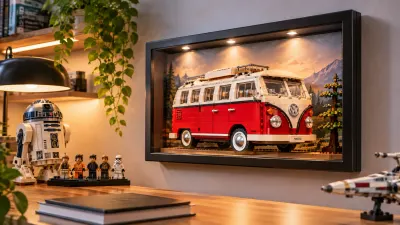
How to Choose LEGO LED Light Kits for Your Favorite Builds
Explore LEGO LED Light Kits, compare lighting features, power options, compatibility, and installation tips to help you choose a kit for your display setup.
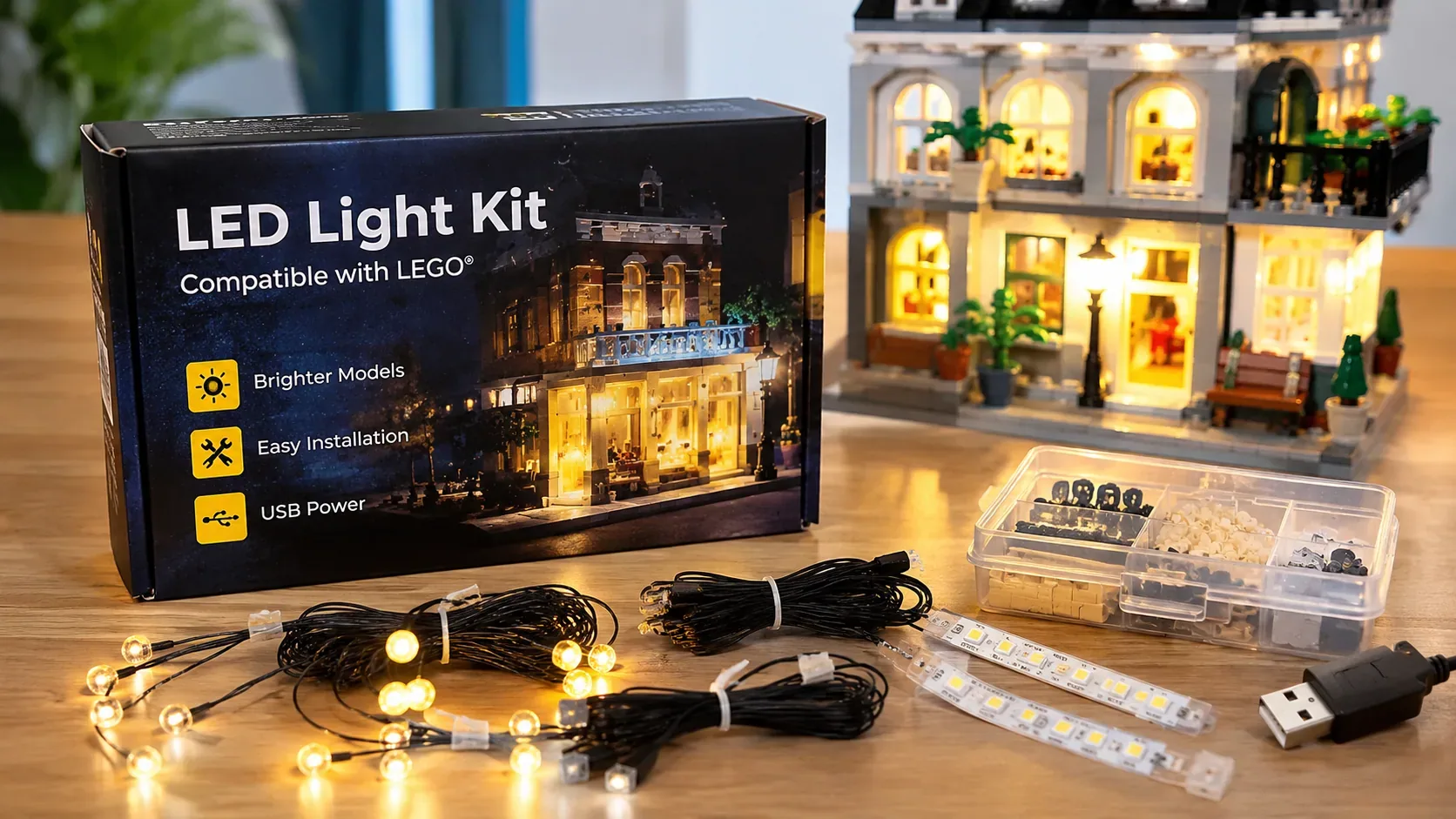
LEGO LED Light Kits can help you turn a completed LEGO build into an illuminated display, highlighting architectural details, windows, vehicles, and decorative features.
These lighting accessories are particularly popular among collectors who want their finished models to look appealing on shelves, desks, or inside display cabinets.
However, lighting kits differ in compatibility, installation methods, power requirements, and lighting effects. Before purchasing, it helps to understand how these accessories work, what types are available, and which features may suit your LEGO collection.
What Are LEGO LED Light Kits and How Do They Work?
LEGO LED Light Kits are accessory lighting systems designed to illuminate completed LEGO models. Depending on the product, a kit may contain miniature LED lights, connecting wires, adhesive components, and a power connection.
Many kits are developed for specific LEGO sets, with lights positioned around windows, headlights, streetlamps, or interior spaces. Others provide flexible lighting components that can be adapted to different builds.
Most third-party lighting kits are sold separately from the LEGO sets themselves. Their installation requirements depend on the manufacturer and the model being illuminated.
Common Components of a Lighting Kit
| Component | Purpose |
|---|---|
| Miniature LED lights | Illuminate selected sections of the model |
| Connecting wires | Carry electrical power between components |
| Connection boards | Connect multiple lights within the system |
| Power cable | Connects the lighting system to a compatible power source |
| Adhesive accessories | Help secure certain components when included |
| Installation instructions | Explain where to position lights and route wires |
Not every kit includes all these components. Product listings and instruction manuals should identify the supplied parts.
Types of LEGO Lighting Kits Worth Comparing
Different LEGO collections may require different lighting arrangements. The right option depends on the type of model you own and the visual effect you want.
1. Model-Specific Lighting Kits
These products are designed around a particular LEGO set. Manufacturers typically provide instructions showing where each light should be installed.
A model-specific kit may be suitable when you want lighting positioned around recognizable features without designing the entire electrical layout yourself.
However, you should verify the exact LEGO set number before ordering.
2. Custom LED Lighting for LEGO
Custom LED lighting for LEGO may suit builders who prefer to choose individual lighting positions.
Instead of following a predefined arrangement, you can select compatible lighting components for windows, buildings, vehicles, or original creations.
This approach may require additional planning, particularly when connecting lights, arranging cables, and selecting a suitable power supply.
3. LEGO Display Lighting
LEGO display lighting focuses on improving how a completed model looks in its display location.
For example, a building might benefit from warm interior lights, while a vehicle could use small headlights or accent lighting.
Lighting placement can influence the appearance of the model, particularly in rooms with limited natural light.
4. Remote-Controlled and Effect-Based Kits
Some lighting systems include adjustable brightness, flashing effects, or remote-control functions.
These features may suit displays with moving visual effects or several illuminated sections. However, controls and lighting modes vary by product, so confirm the actual functions before buying.
Comparing LEGO LED Light Kits by Features
The following comparison can help you identify which lighting setup matches your intended use.
| Lighting type | Potential advantages | Points to check | Suitable use |
|---|---|---|---|
| Model-specific kit | Planned light placement and dedicated instructions | Exact set compatibility | Completed official LEGO sets |
| Custom lighting components | Flexible placement | Electrical compatibility and assembly | Original LEGO creations |
| Basic static lighting | Straightforward illumination | Brightness and power requirements | Shelves and display cabinets |
| Effect-based lighting | Additional visual effects | Controls, wiring, and configuration | Detailed themed displays |
| USB-powered kit | Can connect to a compatible USB power source | Voltage, current, and cable placement | Stationary displays |
| Battery-powered kit | Can operate without a nearby wall outlet | Battery requirements and replacement access | Displays away from outlets |
A kit may fit several categories. For example, a model-specific lighting system might include USB power and adjustable effects.
Features to Check Before Purchasing LEGO Light Kits
Choosing LEGO light kits involves evaluating compatibility, electrical requirements, installation, and the intended display environment.
Set Compatibility
Start by checking the LEGO set number.
Two models may look similar while having different internal structures, dimensions, or brick arrangements. These differences can affect how lighting components fit.
Review the manufacturer's compatibility information and confirm that the kit matches your exact set.
Lighting Color and Brightness
LED lighting can create different visual effects depending on its color and intensity.
Warm white lighting may suit residential buildings, cafes, and decorative interiors. Cool white lighting may suit modern architectural displays or futuristic models.
Colored LEDs can highlight themed details, signs, or decorative elements.
Brightness matters as well. Excessively bright lights may overpower smaller display details, while dim lighting may be difficult to notice in a well-lit room.
Power Supply Requirements
Different kits may use USB connections, batteries, or compatible external power accessories.
Before purchasing, check the specified voltage, current requirements, connectors, and whether the necessary power accessories are included.
Use only a power source that meets the manufacturer's instructions.
Wire Placement
Lighting wires may need to pass between LEGO pieces or through sections of the model.
Some installations require temporarily removing bricks to position cables correctly.
Check the instructions for cable-routing requirements, especially if you plan to move or rebuild the model later.
Instructions and Product Support
Clear installation instructions can make a significant difference, particularly for detailed LEGO models.
Look for products with accessible manuals, installation videos, replacement-part information, and published support policies.
These details may help you assess how practical a kit will be to install and maintain.
How to Install LED Lights for LEGO Sets
Installing LED lights for LEGO sets usually requires patience and careful wire placement. The process depends on the kit's design and the construction of your model.
A typical installation involves:
- Review the instructions. Identify the lighting positions and any sections that need temporary disassembly.
- Prepare your model. Place the LEGO build on a stable surface with adequate working space.
- Position the lights. Install each LED according to the supplied instructions.
- Route the wires. Keep cables away from moving parts and avoid pinching them between bricks.
- Connect the components. Attach cables to the appropriate connection points with the power disconnected.
- Test the lighting. Connect the specified power source and check each illuminated section.
- Reassemble the model. Replace removed bricks carefully, following the manufacturer's cable-routing guidance.
Some manufacturers support installation during construction or after the model has been completed. For example, Light My Bricks publishes instructions for both approaches on supported kits.
Light My Bricks USA
Are LED Lighting Kits for LEGO Worth Buying?
LED lighting kits for LEGO may be worth purchasing if you regularly display completed models and want to highlight specific details.
However, their value depends on how often you use the display, your budget, and the amount of installation work involved.
When a Lighting Kit May Be Worth the Expense
A lighting kit may make sense when:
- Your LEGO model remains on display for extended periods.
- The build includes windows, headlights, signs, or decorative features that benefit from illumination.
- You enjoy customizing completed models.
- You have an accessible, compatible power source.
- The installation requirements fit your experience and available time.
When You Might Prefer an Unlit Display
You may prefer to leave your model unlit if you regularly disassemble your builds, have limited space for wires, or prefer the original appearance.
External shelf lighting may be another option if you want to illuminate an entire collection without installing components inside individual models.
What Affects the Cost of a LEGO Lighting Kit?
The purchase price can vary depending on the manufacturer, the model, and the components included.
Several factors can influence the amount you pay.
| Cost factor | What to evaluate |
|---|---|
| Number of LEDs | Larger or detailed models may require additional lights |
| Lighting effects | Controllers and adjustable features may affect pricing |
| Kit compatibility | Set-specific designs may include dedicated components |
| Power accessories | Batteries, adapters, or power banks may be separate purchases |
| Replacement parts | Check the availability and cost of individual components |
| Shipping and returns | Review delivery charges and return conditions |
When comparing products, look at the complete cost of the lighting setup rather than the listed kit price alone.
For example, a lower-priced kit may require separate power accessories, while another may already include the necessary components.
What Do Actual Lighting Kit Manufacturers Provide?
Two examples help illustrate why comparing the manufacturer's instructions matters.
Light My Bricks states that its current lighting system uses thin ribbon cables and set-specific installation instructions. Its published FAQ identifies a 5V, 2.4A USB power input for its lighting kits.
The company also describes separately available battery and remote-control accessories. These are manufacturer specifications, not independently verified performance results.
Light My Bricks USA
Game of Bricks maintains an installation library organized by LEGO set number and lighting kit version. Its product listings show that some kits have different editions, including standard lighting and versions with remote controls or additional effects.
Game of Bricks+1
Both are third-party accessory providers. Their lighting kits should not automatically be treated as official LEGO products.
You can review lighting kit compatibility and power requirements before deciding which features are suitable for your model.
Frequently Asked Questions About LEGO LED Light Kits
Can you install LED lights in an already completed LEGO set?
Yes. Some manufacturers design their lighting kits for completed models. You may need to temporarily remove selected bricks to position the lights and cables.
Do LEGO light kits require batteries?
Not always. Some products use USB power, while others support battery packs. Check the exact power requirements and included accessories.
Can lighting kits damage LEGO bricks?
Improper installation can potentially damage wires or place pressure on components. Some manufacturers design reversible lighting systems that do not require permanent brick modifications. Follow the instructions and avoid forcing pieces together.
Can you connect several LEGO lighting kits to one power source?
Certain modular lighting systems support multiple connected kits. However, the total electrical load must remain within the manufacturer's specified limits.
Are LEGO lighting kits suitable for beginners?
Some are designed for first-time users and include detailed installation guides. Small connectors, thin wires, and complicated builds can still require careful handling.
Do lighting kits work with every LEGO model?
No. Model-specific kits are designed for particular sets. Custom lighting components may provide additional flexibility, but their compatibility needs to be checked separately.
How to Decide Which LEGO LED Light Kit Fits Your Collection
Before purchasing, focus on the details that affect your specific display.
Check the LEGO set number, the lighting positions, the required power supply, and the installation instructions. Compare the included components with the accessories you may need to purchase separately.
If you prefer a straightforward installation, a model-specific kit with clear instructions may be a practical starting point. If you enjoy modifying original creations, individual lighting components may give you greater control over placement and effects.