TideWe Insulated Chest Waders: Budget Cold-Water Gear
Discover why TideWe insulated chest waders are the go-to choice for hunters and anglers on a budget. Learn about neoprene construction, thermal protection, and real-world performance.
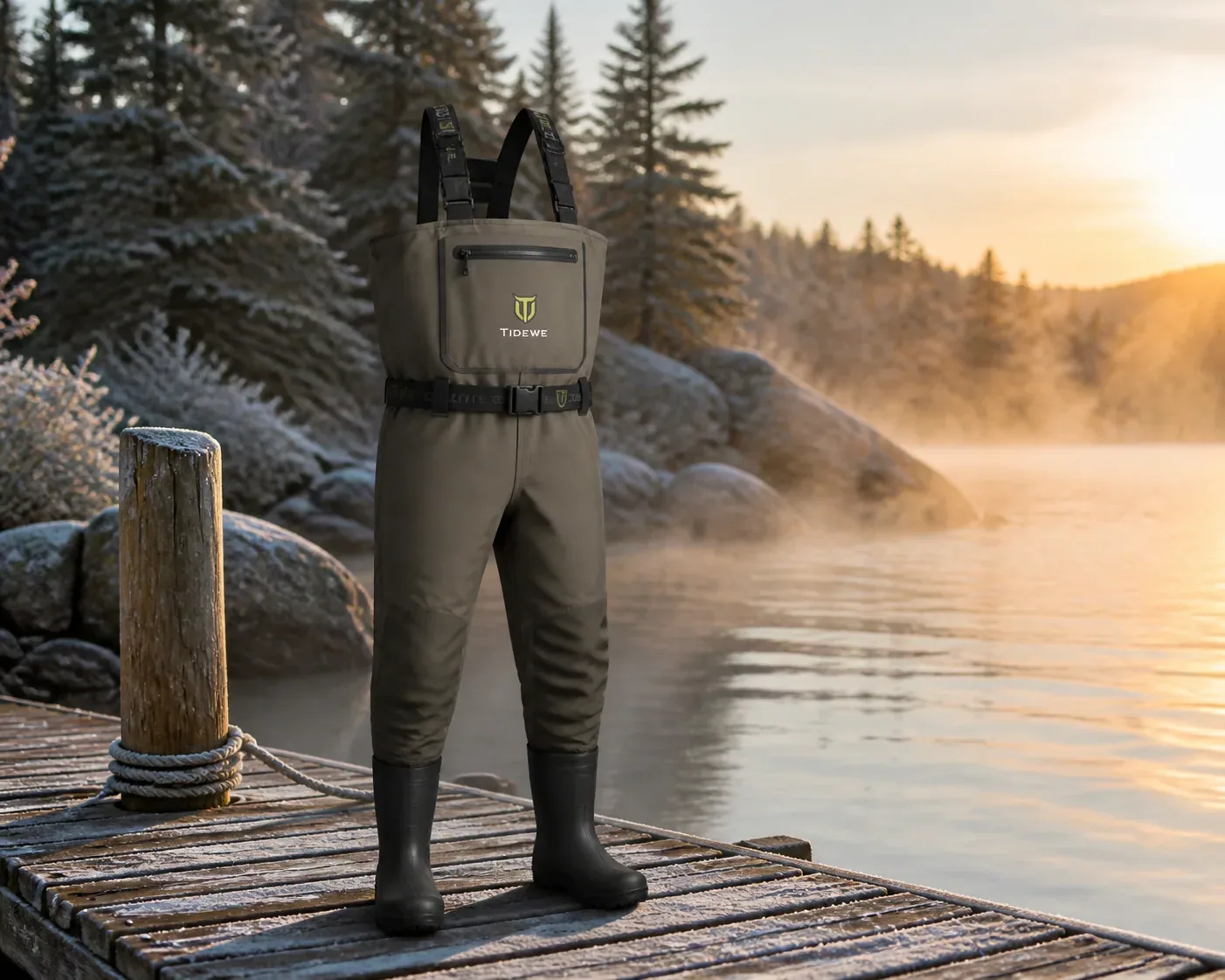
Why Insulated Chest Waders Matter for Cold-Water Activities
Cold water doesn't care about your bank account—but it absolutely destroys your comfort. Nearly 60% of anglers and hunters abandon their gear halfway through the season because they're shivering, soaked, or dealing with numb feet. The difference between a miserable day and a productive one often comes down to what's protecting your legs and core from the relentless chill.
The truth? You don't need to spend $300+ on premium waders to stay warm and dry when hunting ducks or landing trophy fish in freezing conditions. TideWe has built a reputation for delivering solid outdoor gear without the premium price tag. Their insulated chest waders have become a staple in tackle boxes and hunting packs across North America, particularly among budget-conscious sportspeople who refuse to compromise on protection.
Explore TideWe insulated chest waders and find your perfect fit today.
The Difference Between Insulated and Breathable Waders for Winter Fishing and Hunting Seasons
Insulated waders work like a thermal blanket for your lower body. They trap heat close to your skin and maintain core warmth even when you're stationary—critical when you're waiting for ducks or stalking that prize catch. Breathable waders, by contrast, prioritize moisture management over thermal retention. They're ideal for active summer fishing but leave you vulnerable to cold seeping through during winter months.
The choice hinges on your primary season and activity level. Winter hunting and early-spring fishing demand insulation. The water temperature simply won't allow your body to generate enough heat through movement alone, especially during those long, patient hours waiting for game or the bite.
How Neoprene Thickness (3.5 mm) Affects Thermal Retention and Mobility
TideWe's signature 3.5 mm neoprene strikes a practical balance. Thicker materials provide superior insulation but increase weight and stiffness, making your legs feel like concrete after six hours in a boat. At 3.5 mm, you retain meaningful thermal protection without the penalty of excessive rigidity or fatigue from carrying extra weight through marshes or rocky riverbeds.
The thickness also matters for flexibility when kneeling, wading through obstacles, or moving between fishing spots. You need enough insulation to function, not so much that you can barely bend your knees.
Temperature Ranges Where Insulated Waders Perform Best
Insulated chest waders shine when water temperatures drop below 50°F and remain there through the season. This typically spans fall through early spring across most of North America. When surface water hits the low 40s or dips below freezing in northern regions, insulation becomes non-negotiable.
Attempting to fish or hunt in insulated waders during summer months leaves you overheated and uncomfortable. The thermal benefit disappears, replaced by excess sweat and restricted airflow. Choose insulated specifically for your cold season and consider breathable alternatives for warmer months.
Common Mistakes Anglers Make When Choosing Between Insulation Types
Many anglers size up excessively when buying insulated waders, thinking they need room for heavy base layers. Oversized waders create gaps where water leaks in, defeating the entire purpose of thermal protection. The fit should be snug but not restrictive—your base layers handle the layering strategy, not the wader size itself.
Another frequent mistake involves choosing insulation thickness based on one particularly brutal day rather than the typical conditions you'll face. Your purchase should match average seasonal temperatures, not the extreme outliers.
Why Cold-Water Protection Directly Impacts Your Success Rate and Safety on the Water
Hypothermia isn't just uncomfortable—it's dangerous. Shivering, loss of coordination, and impaired judgment all emerge when core body temperature drops. Cold water accelerates heat loss from your body dramatically, making protection essential for staying safe during extended outdoor sessions.
From a success perspective, comfortable anglers and hunters focus on technique and opportunity. Those who are cold become distracted, rush decisions, and make mistakes. You land more fish and harvest more game when you're warm enough to think clearly and stay patient.
The Role of Sealed Seams in Preventing Water Infiltration During Extended Wear
Sealed seams are your first line of defense against water intrusion. Standard seams, even on quality materials, allow water to gradually seep through with pressure from repeated movement and bending. TideWe uses sealed seam technology that locks water out even during dynamic wading and sitting in boats.
Over the course of a full season with regular use, the difference between sealed and unsealed seams becomes obvious. Boots stay dry, thighs remain protected, and you avoid that creeping chill that signals water has breached your defenses.
TideWe Insulated Construction: What You're Actually Getting
3.5 mm Neoprene Material Breakdown and Thermal Efficiency Ratings
TideWe's primary insulated line uses 3.5 mm closed-cell neoprene, a material that maintains thermal properties even when wet. Neoprene works by trapping tiny air pockets throughout the material, creating an insulating layer that resists heat loss. The 3.5 mm thickness provides meaningful warmth without excessive bulk—it's the sweet spot for waders where performance meets practicality.
The thermal efficiency of this neoprene keeps your core temperature stable in water that would otherwise drain heat rapidly from your body. It's not premium wetsuit material, but it's engineered specifically for wading applications where durability and cost-effectiveness matter as much as warmth.
Waterproof Fabric Alternatives in TideWe's Product Lineup
Beyond neoprene, TideWe offers lightweight waterproof fabric options in certain models. These alternatives use synthetic materials with waterproof coatings and breathable membranes, making them suitable for shoulder seasons and milder conditions. They're easier to move in and lighter to carry, but they sacrifice the thermal retention of neoprene.
The fabric options appeal to anglers who fish across varying temperatures or hunters managing multiple seasons. They're also more affordable than insulated neoprene versions, creating an entry point for budget shoppers testing wader purchases for the first time.
Reinforced Knee Pad Placement and Durability for Kneeling in Boats or Wading Through Rocky Terrain
TideWe places reinforced knee pads in high-stress zones where anglers typically make contact with boat floors, dock edges, and rocky streambeds. These pads use thicker, more durable material than the surrounding neoprene, creating spots that resist wear and tear from constant friction.
The reinforcement extends wader lifespan considerably. Without these pads, neoprene wears through quickly in areas subject to kneeling and friction. With them, your waders handle multiple seasons of genuine hard use before showing significant degradation.
Attached Boot Design and How It Compares to Separate Boot Systems
TideWe's attached boot design keeps water out by eliminating the gap between wader leg and boot. There's no separate boot interface where leaks develop—it's all one continuous seal. The boots come pre-sized in standard U.S. dimensions, ranging across typical shoe sizes for men, women, and youth.
Separate boot systems require careful fitting at the joint and create more potential leak points. TideWe's integrated approach simplifies the entire equation. You don't fuss with boot compatibility or worry about mismatched sizing between wader leg and foot protection.
Sealed Seam Technology and Leak Prevention Methods Used by TideWe
Sealed seams use waterproof adhesive and stitching techniques that prevent water from following thread holes into the interior. Every critical stress point—waist, crotch, upper leg, and boot interface—receives sealed treatment. This barrier stops water penetration even under dynamic movement and pressure changes that occur during actual fishing and hunting.
TideWe applies sealed seams during manufacturing rather than as an afterthought, ensuring consistent quality throughout the product. The approach reflects understanding that field conditions demand uncompromising protection.
Hand-Warmer Chest Pocket Functionality for Storing Hand Warmers or Small Tackle
The hand-warmer chest pocket sits at torso level, creating a warm zone for your hands when circulation slows in cold conditions. You can insert disposable hand warmers or chemical packs into this pocket, keeping your fingers functional for casting, trigger control, and operating equipment. The pocket also doubles as storage for small tackle items, extra line, or lures you want readily accessible.
The placement makes practical sense for hunters and anglers who frequently reach into chest pockets during action moments. Having gear within arm's reach beats fumbling with cargo pockets or backpacks when conditions demand quick decisions.
Cargo Pocket Placement and Practical Gear Storage Capacity
Additional cargo pockets on TideWe waders provide distributed storage for heavier items like pliers, multi-tools, or spare ammunition. The placement avoids weight concentration that would create discomfort or uneven wear on the neoprene.
The pockets aren't enormous—TideWe prioritizes function over excessive storage. Most anglers and hunters carry heavy gear in separate packs or tackle boxes anyway. The on-wader pockets handle the essentials you need within immediate reach during an active session.
Check out the full range of TideWe wader features and configurations now.
Sizing, Fit, and Comfort Considerations
Men's, Women's, and Youth Sizing Options Across TideWe's Insulated Wader Range
TideWe recognizes that bodies come in different shapes and proportions. Their insulated line includes dedicated sizing for men, women, and youth rather than forcing everyone into a single unisex mold. Women's waders feature tapered legs and shaped torsos that fit female proportions without excessive bagginess. Youth sizing serves younger anglers and hunters with proportional dimensions that standard adult waders simply won't accommodate.
This broad availability matters because poorly fitting waders create cold spots and discomfort regardless of the material quality. Getting properly sized waders means better thermal protection and longer, more enjoyable time on the water.
Boot Size Compatibility with Standard U.S. Shoe Sizing
TideWe attached boots correspond to standard U.S. shoe sizes, eliminating confusion about wader-specific sizing. If you wear a size 10 shoe, you'll typically order TideWe waders with size 10 boots. This simplicity removes barriers to purchase and reduces fit-related returns.
The boots themselves feature insulated linings and aggressive treads designed for wet environments. They're not premium hiking boots, but they provide necessary traction and thermal protection without requiring separate footwear purchases.
How Body Type Affects Fit
Tall builds may find standard sizing too short in the inseam, leaving ankles exposed. Athletic builds sometimes encounter tightness across the thighs and calves despite correctly sized waists. Stockier frames need adequate room through the torso and seat without excessive fabric bunching at the thighs.
Understanding your body type helps you anticipate fit challenges before ordering. Many retailers offer detailed sizing charts broken down by body dimensions, not just shirt/pants sizes. Use these guides rather than guessing based on casual clothing preferences.
Adjustable Suspender Systems and Belt Features for Secure Wear
TideWe waders include adjustable suspenders that keep the wader legs from sagging as you move and wade. The suspenders can be tightened or loosened to match your specific torso length and preferred wear position. A supportive belt adds another layer of security, ensuring the waist stays positioned correctly throughout hours of movement.
Proper suspender adjustment prevents the constant downward creep that creates discomfort and efficiency losses. Waders that slip down require constant adjustment, distracting from fishing and hunting focus.
Common Fit Issues Reported by Users and How to Troubleshoot Them
Some users report that TideWe waders run slightly large in the waist, particularly in men's sizing. Ordering down a size from your typical pants size sometimes works better than staying true to actual measurements. Others find the inseam shorter than expected if they have particularly long legs.
The solution involves checking detailed user reviews on retail platforms before purchasing. Other buyers with similar body dimensions provide invaluable real-world feedback about whether specific sizes run large, small, or true. This intelligence beats generic sizing charts when making purchase decisions.
Sizing Up Versus Sizing Down for Layering Underneath Waders
Your base layer strategy affects sizing choices. A thermal base layer and mid-weight fleece underneath require slightly roomier wader sizing than bare skin or minimal layers. Many seasoned users recommend sizing to accommodate a reasonable layering system while avoiding excessive bulk that restricts mobility.
The balance involves ensuring enough insulation through layering without creating gaps where cold water can seep into oversized waders. Most expert anglers prefer closer fits with good layering over oversized waders with minimal layers.
Return Policies and Sizing Exchanges Through Major Retailers
TideWe products sell through major retailers like Amazon, Walmart, and dedicated outdoor shops. These platforms offer standard return windows (typically 30 days) for sizing issues and defects. If your first pair doesn't fit, you can typically exchange or return without shipping costs.
Understanding the specific return policy of your purchase platform matters before committing to an order. Some retailers offer free return shipping for misfit merchandise, while others charge restocking fees. Check these details during checkout.
Real-World Performance in Hunting and Fishing Scenarios
Durability Testing: How Long TideWe Insulated Waders Typically Last with Regular Use
Field testing and user reports indicate TideWe insulated waders maintain integrity through two to three full seasons of regular use. "Regular use" means typical weekend fishing or hunting outings, not daily commercial applications. Most waders show their first significant wear signs—minor leaks or neoprene deterioration—after 50+ days of active use across multiple seasons.
The timeline depends heavily on care and maintenance. Waders that receive proper rinsing, complete drying, and appropriate storage last meaningfully longer than those stuffed wet into closets or left in direct sunlight. Good practices can extend functional lifespan to four seasons or beyond.
Performance in Marsh Hunting Versus River Fishing Versus Saltwater Environments
TideWe waders perform reliably across freshwater marsh hunting, river fishing, and even brackish/light saltwater environments. Marsh hunting—the primary use case for many TideWe customers—shows excellent durability. The relatively gentle, predictable wading through shallow marsh water doesn't stress the material as severely as rocky river conditions.
River fishing, particularly in rocky or fast-moving water, accelerates wear through friction and abrasion. Saltwater use requires more frequent rinsing to prevent mineral buildup and corrosion of seams. Each environment demands slightly different maintenance attention, but TideWe waders handle all three competently at their price point.
Weight Considerations for All-Day Wear and Mobility in Boats
The 3.5 mm neoprene construction creates noticeable weight, particularly when fully saturated with water. Anglers planning six-hour boat days report leg fatigue from the cumulative weight load. Waders that weigh five to seven pounds per leg add up during long wear periods, particularly if you're standing or constantly shifting position.
This weight trade-off represents the fundamental compromise with insulated neoprene. You gain thermal protection at the cost of carrying extra mass. Active hunters and mobile anglers notice this more than those who remain relatively stationary.
Breathability Limitations in Insulated Models and How They Affect Comfort During Active Use
Insulated neoprene waders restrict airflow compared to breathable synthetic alternatives. During active wading, particularly when exertion builds body heat, this limitation can create uncomfortable sweating and moisture accumulation inside the waders. You stay warmer in exchange for reduced moisture management.
This reality means insulated waders work best in truly cold conditions where exterior cold dominates the thermal equation. In shoulder seasons where temperatures hover around 50°F and your activity level stays moderate, breathable options might provide better overall comfort. The trade-off involves accepting some interior moisture rather than prioritizing breathability.
Waterproof Integrity After Multiple Seasons of Use
Regular users report that waterproof integrity holds well through seasons two and three with proper maintenance. The sealed seams remain functional, and the neoprene doesn't develop systematic leaking. Small pinhole leaks appear occasionally, but these represent isolated damage rather than material degradation affecting the entire garment.
Most wader failures occur at specific stress points—the crotch seam, boot interface, or high-flex areas where constant movement eventually stresses the seal. Catching these small leaks early and repairing them extends overall functional life substantially.
User Reviews from Duck Hunters, Bass Anglers, and Waterfowl Enthusiasts
Across major retail platforms, TideWe insulated waders consistently receive 4.0 to 4.5-star ratings from thousands of verified purchasers. Duck hunters praise the thermal protection and durability during multiple-day season openers. Bass anglers appreciate the value proposition for occasional cold-season fishing. Waterfowl hunters specifically commend the reinforced knees, which handle kneeling in boat bottoms and muddy marsh conditions.
Common praise highlights realistic expectations around durability and performance. Users specifically note that TideWe delivers "exactly what you pay for"—reliable protection without premium frills. Criticism centers on the weight, reduced breathability, and occasional fit inconsistencies across sizing.
Maintenance Tips to Extend Wader Lifespan and Preserve Waterproofing
Rinse waders thoroughly with fresh water immediately after saltwater use to remove mineral deposits. For all use, hang to dry completely before storage—never fold or roll up damp waders. Store in a cool, dark place away from direct sunlight, which degrades neoprene and causes color fading.
Inspect seams and boots before each season. Apply neoprene conditioner every other season to maintain flexibility and waterproofing. If small leaks develop, repair them promptly with neoprene adhesive patches before they expand. These simple practices consistently add a full season or more to wader longevity.
Price-to-Value Analysis: Is $60–$130 Worth It?
Budget Breakdown: What You Pay For at Different Price Points Within TideWe's Range
Entry-level TideWe models at the $60–$80 range typically use lighter neoprene (often 2–2.5 mm) and may feature sealed seams only at critical stress points. They handle occasional fishing and early-season hunting adequately but offer less thermal protection and durability than premium offerings.
Mid-range options at $80–$110 introduce 3.5 mm neoprene throughout, comprehensive sealed seaming, reinforced knees, and better construction overall. This tier represents the best value for most anglers and hunters. Premium TideWe models ($110–$130) add features like superior neoprene quality, expanded pocket configurations, enhanced boot construction, or specialty finishes. The performance gains diminish at these higher prices—you're often paying for refinements rather than fundamental improvements.
Comparison with Premium Brands ($200+) and Ultra-Budget Alternatives ($30–$50)
Premium brands like Simms or Orvis offer waders exceeding $200, often with superior breathability (if breathable), premium neoprene, exceptional durability claims, and extensive feature sets. These brands target professional guides and serious anglers willing to invest heavily for performance advantages and longevity.
Ultra-budget waders at $30–$50 sacrifice durability, fit accuracy, and thermal performance. They typically develop leaks within the first season and fit poorly across body types. The apparent savings evaporate when you're replacing them annually.
TideWe sits in the sweet spot between garbage products and unaffordable premiums. You get legitimate thermal protection, decent durability, and broad size availability without $300+ price shock.
Long-Term Cost Analysis: Replacement Frequency Versus Initial Investment
A TideWe wader costing $100 lasting three seasons costs $33 annually. A $300 premium wader lasting six seasons costs $50 annually. The math doesn't automatically favor premium options—it depends on realistic lifespan expectations and how many seasons you fish or hunt actively.
For casual anglers using waders occasionally, TideWe's price point and realistic two-to-three-season lifespan make economic sense. You're not investing heavily in gear you'll use maybe 10 times per year. For serious users with 50+ annual days on the water, premium durability might justify higher up-front costs through longer intervals between replacement cycles.
Where to Find the Best Deals on TideWe Insulated Waders in 2026
TideWe waders sell through Amazon, Walmart, specialty outdoor retailers like Bass Pro Shops, and regional fishing supply stores. Pricing remains relatively consistent across platforms, but promotional periods create significant discounts. End-of-season clearance (March through April for spring/summer, and September through October for fall/winter) typically cuts prices 15–25%.
Black Friday and Cyber Monday historically offer 20–30% discounts on outdoor gear, including TideWe waders. Buying during these promotional windows substantially reduces your effective price compared to purchasing at regular intervals.
Seasonal Sales Patterns and Timing for Purchasing at Lower Prices
The best prices occur when demand declines. End of duck season (late February) and end of spring fishing season (late May) create clearance opportunities. Retailers mark down remaining inventory to prepare for the next season's stock.
Conversely, prices rise as each season approaches. Buying waders in July for fall hunting or in December for spring fishing means paying peak prices. Smart purchasing involves anticipating needs and buying during low-demand periods when retailers clear inventory.
Warranty Coverage and Manufacturer Guarantees
TideWe provides limited manufacturer coverage against defects in materials and workmanship, typically valid for 12 months from purchase. This warranty covers seam failures, material tears from manufacturing defects, and similar issues that emerge through no fault of the user.
The warranty doesn't cover damage from misuse, normal wear and tear, or damage from improper storage and maintenance. Coverage terms vary by retailer, so review specific warranty information during purchase. Most retailers allow returns within 30 days even if manufacturer warranty doesn't technically cover the issue.
Resale Value and Secondhand Market Considerations
TideWe waders hold secondary market value reasonably well due to brand recognition and consistent demand. Lightly used waders typically resell for 40–60% of original price through Facebook Marketplace, Craigslist, and outdoor gear resale sites. This secondhand demand means your effective cost per season decreases if you're willing to sell waders after a couple of seasons rather than using them until they fail.
The resale option essentially converts waders into a low-cost rental system—buy, use for two seasons, sell, repeat. This approach appeals to anglers testing whether wading-based fishing actually matches their interests.
Pros That Make TideWe Stand Out for Budget Shoppers
Exceptional Value for Money in the Budget-to-Midrange Category
TideWe's core strength is the value equation. You're purchasing legitimate thermal protection, sealed seams, reinforced construction, and broad size availability for one-third to one-half the cost of premium brands. That value proposition attracts thousands of anglers and hunters annually, creating consistent sales and positive reviews.
No gimmicks hide behind the price tag. You get durable waders that actually keep you warm through a typical season without paying premium prices or settling for disposable-quality gear.
Broad Size Availability Across Demographics
Most budget wader brands offer limited sizing, forcing compromises on fit. TideWe's dedicated men's, women's, and youth options acknowledge that bodies differ significantly. This accessibility removes barriers for female anglers and younger hunters who often faced awkward choices between oversized men's waders or premium women's-specific brands.
The broad availability democratizes cold-water fishing and hunting. Anyone with the financial resources can find reasonably fitting waders, not just standard adult male builds.
Reliable Weather Protection in Cold, Wet Conditions
The 3.5 mm neoprene construction delivers genuine thermal performance in genuine cold water. Users consistently report that TideWe waders keep them warm through multiple-hour sessions in near-freezing water. This protection isn't theoretical—it works in actual hunting and fishing conditions.
The sealed seams prevent water infiltration that would otherwise nullify thermal benefits. Combined with proper fit and appropriate layering underneath, TideWe waders reliably protect through typical fall, winter, and early-spring outdoor seasons.
Decent Durability for the Price Point Across Multiple Seasons
Budget doesn't mean disposable. TideWe waders withstand two to three seasons of regular use with proper care. That lifespan puts them in the reliable category—not premium, but certainly not throwaway products either. Waders that fail during the first season are rare; waders that reach the end of season five are uncommon. TideWe typically lands in the functional middle ground.
This durability predictability matters psychologically. You're not constantly worrying whether your purchase will fail prematurely. Instead, you have reasonable confidence in roughly how long the gear will last.
Strong Customer Support and Easy Returns Through Major Retailers
TideWe products sell through established retail channels with straightforward return processes. If you receive defective merchandise or the fit doesn't work, returning or exchanging is handled through the retailer's standard procedures. This removes risk from online purchases where you can't try waders before committing.
The company's visibility through major platforms also means that widespread quality issues would become apparent through reviews. The consistent positive ratings suggest actual product reliability matches the budget positioning.
Proven Track Record as a Best-Seller on Amazon and Outdoor Retail Platforms
TideWe waders regularly rank among top-selling waders on major platforms. This market position reflects real demand from actual customers, not marketing hype. Best-seller status indicates that thousands of people have purchased, used, and rated these waders positively enough to justify continued market presence.
The track record also means you're joining a large community of TideWe users. Online forums, YouTube reviews, and social media groups provide extensive real-world feedback and troubleshooting assistance from experienced owners.
Accessibility for First-Time Wader Buyers Entering the Sport
New anglers and hunters often hesitate to invest $200+ in specialized gear before confirming they'll genuinely enjoy the activity. TideWe's $80–$110 entry point removes the financial barrier that might otherwise prevent people from pursuing cold-water fishing or hunting. You can test whether the sport matches your interests without risking substantial capital.
Once you've confirmed your commitment to the activity, you might graduate to premium waders. But TideWe provides the crucial first step that makes entry affordable and low-risk.
Honest Limitations and Trade-Offs You Should Know
Added Weight in Insulated Neoprene Models Affecting Mobility and Fatigue
The thermal benefits of 3.5 mm neoprene come with weight penalties. Standing for six hours in insulated waders creates leg fatigue that breathable alternatives don't impose. Your muscles work harder against the added load, particularly if you're constantly wading, changing positions, or moving between fishing spots.
Stationary hunters working from blinds or boat sits notice this weight penalty less than active mobile anglers. Understanding your typical fishing and hunting style helps you predict whether this trade-off will actually affect your experience.
Reduced Breathability Compared to High-End Technical Brands
Neoprene restricts moisture vapor transmission compared to premium breathable membranes. Sweat accumulation occurs during active periods, creating uncomfortable dampness inside the waders. Technical brands specifically engineer materials that balance waterproof protection with breathability—TideWe prioritizes waterproofing and insulation at breathability's expense.
This limitation matters most during shoulder season fishing where temperatures hover in the 50s and your activity level stays high. True winter conditions where external cold dominates the thermal equation make reduced breathability irrelevant.
Potential Fit Inconsistencies Depending on Body Shape and Boot Size
Not everyone fits cleanly into standard sizing categories. Users with proportionally shorter legs, longer torsos, or atypical builds sometimes struggle finding TideWe models that fit perfectly. The brand's standardized sizing works well for average builds but creates challenges for those outside the typical range.
Boot sizing also occasionally causes issues. TideWe boots correspond to standard U.S. shoe sizing, but individual fit preferences and specific foot shapes vary. Someone with wide feet might find standard sizing constraining, while narrow-footed buyers experience excess space.
Lower Premium Finish and Aesthetic Appeal Versus Luxury Brands
TideWe waders prioritize function over appearance. The construction looks utilitarian and practical rather than sleek or fashionable. If you prefer gear that looks premium, you'll notice the difference between TideWe and high-end brands. The visual presentation won't impress other anglers, though nobody's judging your wader aesthetics while they're fishing.
This aesthetic simplicity actually contributes to the value proposition—fewer materials, finishes, and design refinements keep costs lower.
Reduced Flexibility in Extremely Cold Conditions When Neoprene Stiffens
At extreme temperatures (below 20°F, particularly in dry cold), neoprene stiffens and becomes less flexible. Your movement becomes more restricted, and the waders feel less comfortable. This limitation primarily affects anglers and hunters in extreme arctic or subarctic conditions. Most temperate and even northern regions experience reasonably workable temperatures with neoprene waders.
If you regularly hunt or fish in genuinely extreme cold, premium insulated waders or more specialized arctic-grade gear might justify the additional investment.
Limited Color Options Compared to Competitors
TideWe offers practical earth-tone and camo colorways focused on function rather than fashion variety. If you prefer numerous color options or specific aesthetic preferences, alternatives provide broader selection. This limitation is purely cosmetic—functionality remains identical across available colors.
Thermal Performance Plateau: Diminishing Returns Beyond 3.5 mm Thickness
Increasing neoprene thickness beyond 3.5 mm provides minimal thermal improvement for the added weight and stiffness penalties. The law of diminishing returns applies to wader insulation—each additional millimeter of thickness yields smaller performance gains. TideWe's 3.5 mm thickness sits at the practical sweet spot where marginal benefits become genuinely marginal compared to the downsides.
Maintenance, Care, and Longevity Tips
Proper Rinsing and Drying Procedures After Freshwater and Saltwater Use
After each use, rinse waders thoroughly with fresh water from a hose or shower. Pay particular attention to seams, the interior, and boot treads where sediment accumulates. Saltwater use demands extra rinsing—mineral deposits corrode seams and degrade neoprene over time if not removed.
Hang waders to dry completely in a cool, ventilated space. Never fold or roll damp waders into storage. Complete drying prevents mold, mildew, and smell development that results from moisture trapped in neoprene and confined spaces.
Storage Techniques to Prevent Mold, Mildew, and Material Degradation
Store fully dry waders hanging or laid flat in a climate-controlled closet away from direct sunlight. UV exposure fades colors and degrades neoprene polymers. Excessive heat accelerates material breakdown; extreme cold doesn't harm waders but creates brittleness in neoprene.
Never store waders in damp basements, uninsulated sheds, or vehicles where temperature fluctuations and humidity promote degradation. A climate-controlled indoor space costs nothing and significantly extends wader lifespan.
Repair Options for Small Leaks and Seal Damage
Catch small leaks early. Apply neoprene patch kits (waterproof adhesive plus fabric patches) to pinhole leaks or small tears before they expand. Most leaks appear at stress points—crotch seams, boot interfaces, or high-flex areas. Early repair prevents progression to complete seal failure.
For more extensive damage, professional repair shops can re-seal seams or replace boots. These services cost $50–$150 depending on damage extent. The cost-benefit analysis depends on whether the waders are otherwise functional versus completely unreliable.
Neoprene Conditioning Products to Maintain Flexibility and Waterproofing
Neoprene conditioner products designed specifically for wetsuits and waders help maintain flexibility and waterproofing. Apply conditioning products every other season according to product directions. These treatments prevent neoprene from becoming brittle and help preserve the water-resistant surface layer.
Conditioning isn't mandatory for waders to function, but it meaningfully extends useful lifespan and maintains comfort. The cost (typically $10–$20 per bottle) is minimal compared to the longevity benefits.
Seasonal Inspection Checklist Before Storing Waders
Before each season's storage, inspect your waders systematically. Check all seams for gaps or whitening (signs of seal degradation). Examine the neoprene surface for cracks, tears, or thin spots. Test boot soles for separation or unusual wear. Verify that suspenders and belt mechanisms still function smoothly.
Document any issues you discover. Small repairs completed before storage prevent problems from worsening over months. Minor fixes now eliminate emergency repair situations mid-season.
Boot Care and Replacement Options If Soles Wear Prematurely
Wader boot soles wear through friction with rocky terrain and repeated wading movements. If boot treads wear completely smooth before the rest of the wader fails, replacement boot options exist. Some aftermarket providers offer replacement boot assemblies that can be installed to extend wader life.
The replacement cost ($50–$100) must be weighed against total wader lifespan. If boot failure occurs near the end of the wader's expected lifespan anyway, replacement probably isn't economically justified.
Professional Cleaning Services Versus DIY Maintenance Approaches
Professional wader cleaning services handle deep cleaning of neoprene and restoration of waterproofing. These services cost $30–$60 and are appropriate after multiple seasons of heavy use when DIY rinsing alone doesn't restore water repellency.
Most users can handle basic maintenance themselves—rinsing, drying, and storage. Professional services make sense for high-value waders or when you want to maximize lifespan extension before replacement becomes necessary.
Who Should Buy TideWe Insulated Chest Waders (And Who Shouldn't)
Ideal Candidates: Budget-Conscious Beginners, Occasional Hunters, Weekend Anglers
Budget-conscious beginners entering fishing or hunting for the first time