Silk vs Satin bonnet: How to Choose for Your Hair and Budget
Discover Hong Kong Yanjiayu Trade's best-selling products and why businesses trust them for wholesale solutions. Expert insights on quality, pricing, and sourcing advantages in 2026.
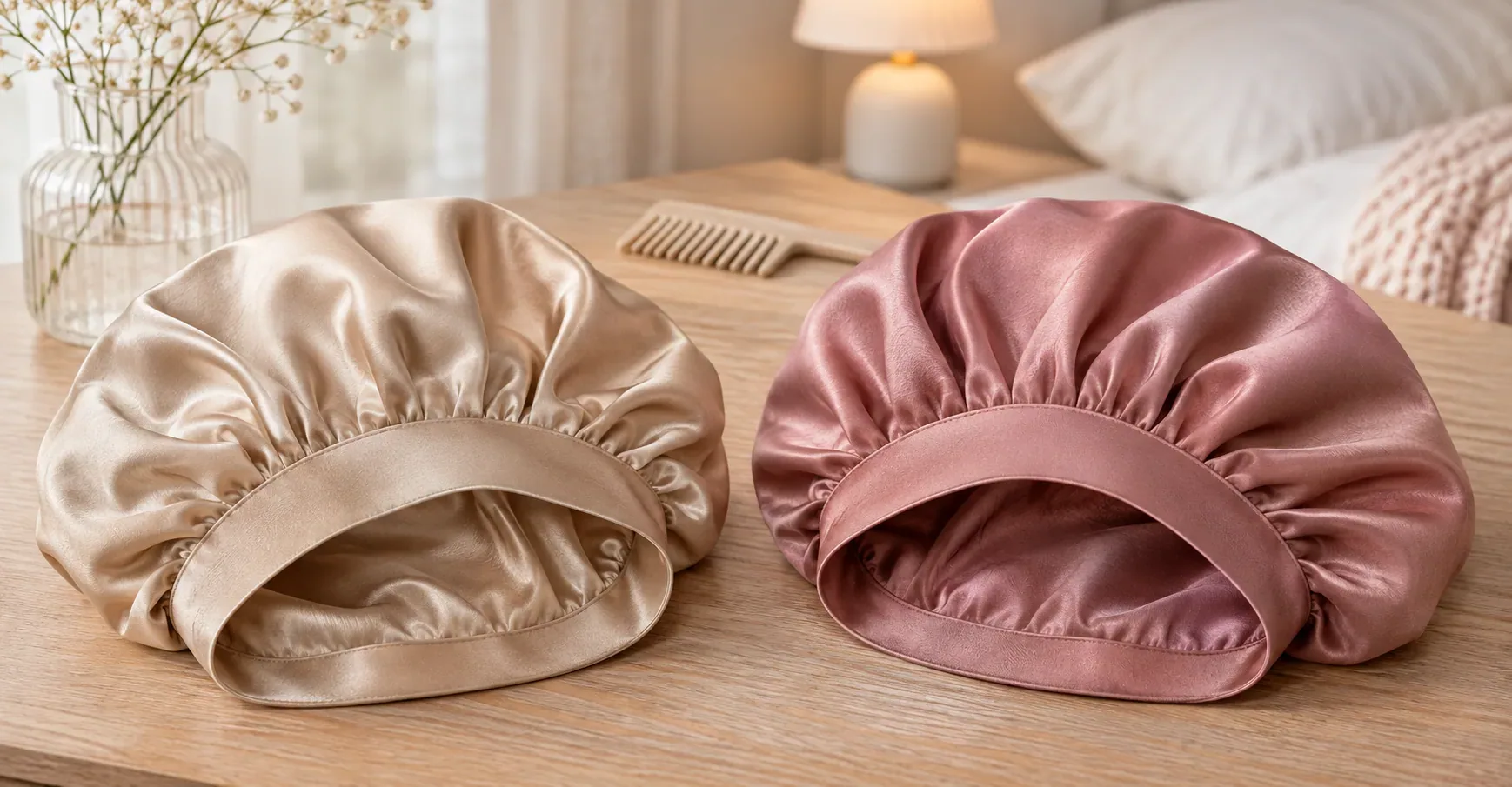
The silk vs satin bonnet decision gets easier once you know what the labels mean. Both options can look smooth and shiny, but appearance alone does not tell you the fiber content, care requirements, or fit.
YANIBEST carries separate silk and Butter-Satin collections. Its current bonnet selection provides examples for comparing materials, closures, and prices. Your best choice should match your hair, sleeping habits, and budget.
Silk vs satin bonnet: what is the actual difference?
Silk describes a fiber. Satin describes a fabric construction that creates a smooth, glossy surface. Satin can be made from silk, polyester, or other fibers, so the two terms do not describe opposing materials.
When shopping, you will often be comparing a silk bonnet with a synthetic satin bonnet. The exact fiber label matters because “satin” alone does not tell you what the fabric contains.
A product can even be both silk and satin. That is why a clear composition label is useful before price, color, or packaging influences your decision.
| Buying question | Silk bonnet | Synthetic satin bonnet |
|---|---|---|
| What identifies the material? | A stated silk percentage | A stated synthetic fiber, such as polyester |
| What should you check inside? | Silk lining or silk on both sides | Exact lining fiber and surface finish |
| What determines fit? | Band, closure, shape, and capacity | Band, closure, shape, and capacity |
| How should you compare care? | Follow the exact product label | Follow the exact product label |
| What does the name guarantee? | Only what a clear composition statement confirms | “Satin” alone does not identify fiber content |
The collection and material descriptions help you separate those details. A glossy photo cannot replace a readable fabric label.
Is silk automatically the better purchase?
Silk may be your preferred material, but that does not automatically make every silk bonnet the better buy. A comfortable closure and enough room for your hair still matter.
For a silk bonnet for sleeping, the useful questions include which surfaces contain silk and how the bonnet fastens. A silk-lined cap and a cap made with silk inside and outside are different products.
The YANIBEST pink tie-band model lists 100% mulberry silk inside and outside, along with 22 momme and Grade 6A specifications. Those are manufacturer-listed details, rather than independent test results from this article.
A mulberry silk bonnet makes sense when silk itself is a priority and the complete design suits you. Paying for that material is harder to justify if you dislike the fit or care routine.
What are the drawbacks of choosing silk?
Price can be a deciding factor. Care requirements can add another task to your laundry routine.
Silk should therefore be a deliberate purchase. You want to feel comfortable with the cost and the upkeep before choosing a color.
When is a satin bonnet a sensible choice?
A satin bonnet for sleeping can be a practical starting point when you want to try a bonnet without committing to the price of the silk examples discussed here.
The useful comparison is between actual products. A satin cap with clear sizing and a suitable closure may fit your needs better than a silk option with unclear dimensions.
Synthetic satin still needs a proper label check. Its smooth appearance does not establish its fiber content, lining quality, or washing method.
The satin styles and listed features can help you compare shapes and adjustment methods. Marketing descriptions should lead to specific product details you can verify.
What are the drawbacks of choosing satin?
The term can be vague when sellers leave out fiber percentages. Two products labeled “satin” may use different materials and construction.
That makes shopping by the word alone unreliable. Clear composition, sizing, and care information deserve priority over a fabric nickname.
How large is the price difference?
Current prices show why this comparison matters to shoppers. As of November 12, 2026, the YANIBEST pink silk tie-band bonnet was listed at $54.99, while its blush-pink Butter-Satin tie-band bonnet was listed at $15.99.
That is a $39 difference between those two specific listings. It is not a universal price gap between every silk and satin bonnet.
Other colors and designs can have different prices. The satin collection, for example, listed an adjustable-elastic blush-pink option at $20.00.
The current prices for individual styles are useful for a fair comparison. Matching quantity, selected color, and closure type keeps your budget calculation accurate.
Does fit matter as much as fabric?
Yes. An expensive fabric cannot make an uncomfortable band enjoyable to wear.
An adjustable sleep bonnet gives you a way to change the fit, but the adjustment method deserves attention. Tie bands, elastic, and hardware can feel different against your pillow.
A side sleeper may care about where a knot or buckle rests. Someone who dislikes fastening a tie each evening may prefer another closure.
The available closure designs make those differences easier to assess before purchase.
How much room should your hair have?
Head size and hair capacity are separate measurements. A band can fit comfortably while the cap itself feels crowded.
When choosing a bonnet for curly hair, your usual bedtime hairstyle should guide the capacity you need. Long braids, short curls, and a loose updo do not occupy the same space.
A useful listing provides dimensions and clear photos. “Roomy” is less helpful when you cannot tell how the bonnet accommodates your hair.
Which option will feel cooler overnight?
A fiber name alone cannot guarantee sleeping comfort. Fabric weight, number of layers, band design, and personal preference all belong in the comparison.
A product described as breathable may still feel different from what you expect once worn. Your room temperature and dislike of head coverings can influence satisfaction, too.
The published layer and construction details give you useful questions to investigate. Claims that one category is always comfortable and the other is always hot oversimplify the purchase.
If you have disliked a bonnet before, identifying the cause can help. The problem may have been its band, size, or layers rather than the fiber alone.
How do washing requirements affect value?
Knowing how to wash a silk bonnet matters before buying one. A purchase that needs a care routine you dislike may spend too much time waiting beside the laundry basket.
The pink silk tie-band product instructions recommend gentle handwashing in cold water with a pH-neutral silk detergent, followed by shaded line drying. They permit a delicate machine cycle with a mesh laundry bag.
For satin, the brand’s care guidance recommends handwashing or a cold delicate machine cycle, followed by air drying. Your specific item’s label should guide the final method.
The published washing and drying guidance helps you judge upkeep alongside the purchase price. Care instructions should match the product you selected.
What should you expect from either option?
A useful buying goal is a comfortable hair covering that fits your routine. Promises of perfect curls every morning or guaranteed hair growth are poor reasons to choose either material.
Your own assessment can focus on practical results: does the bonnet stay in place comfortably, hold your hair without crowding, and make your routine easier?
Reviews can help identify questions about those details. They cannot confirm how the same bonnet will fit your head or feel against your pillow.
This comparison uses published specifications and purchase information. It does not claim hands-on testing or establish a performance winner between the two categories.
Which bonnet suits your budget and routine?
Silk may suit you when the natural fiber is a priority and its price and care requirements fit your plans. A synthetic satin option may suit you when its lower listed price and specific design meet your needs.
Either choice needs clear labeling, enough hair capacity, and a comfortable closure. Those basics deserve attention before color or packaging.
When you know what matters to you, you can compare the current materials, measurements, and buying details. Choose the bonnet you can comfortably wear, maintain, and afford.