When Should You Replace Reusable Cotton Face Masks? 7 Warning Signs
Explore reusable cotton face masks, their comfort, protection, washing needs, and costs. Compare your options and learn what matters before you buy a mask.
Buying face masks sounds simple until you start comparing fabrics, sizes, prices, and protection levels. With so many choices available, finding one that feels comfortable and fits properly can take a little research.
Reusable cotton face masks are popular for their washable fabric, everyday convenience, and potential long-term savings. Unlike disposable options, you can clean and wear them again, provided the material stays in good condition.
But are they worth buying? And how do they compare with disposable masks or respirators?
Before deciding, it helps to understand their advantages, limitations, and important buying features.
You can explore available cotton face mask styles while comparing your options.
What Are Reusable Cotton Face Masks, and Are They Worth Buying?
Reusable cotton face masks are fabric coverings designed to fit over your nose and mouth. Unlike single-use masks, they're made to withstand repeated washing and wearing.
They're often chosen for everyday situations where comfort, convenience, and reduced disposable waste are priorities.
However, their ability to filter airborne particles varies considerably depending on the fabric, number of layers, construction, and fit.
According to the Centers for Disease Control and Prevention (CDC), cloth masks generally provide less protection than well-fitting disposable masks and approved respirators.
That distinction matters when you're deciding which type of mask suits your needs.
What are their main advantages?
Reusable cotton masks have several practical benefits:
- Washable fabric: You can clean and reuse them instead of throwing them away after every use.
- Soft material: Cotton may feel comfortable against your skin, depending on the fabric and construction.
- Less disposable waste: Reusing a mask can reduce the number of single-use masks you discard.
- Potential savings: A durable mask may cost less over time than repeatedly purchasing disposable options.
- Different styles: You can find various colors, shapes, and fastening designs.
Brookwood Medical carries a blue cotton face mask sold in a 5-pack, providing an example of a reusable option for everyday wear.
You can review the available fabric mask details to understand the product's features before comparing alternatives.
1. Check the Fabric and Number of Layers
Not every cotton mask is made the same way.
Some use lightweight fabric, while others contain several layers or additional materials.
A breathable cotton face mask should feel comfortable enough to wear correctly without frequent adjustments.
However, breathability alone doesn't tell you how well a mask filters particles.
Does thicker cotton provide better protection?
Not necessarily.
Fabric thickness, weave, construction, and the number of layers can affect filtration and breathing comfort.
Tightly woven, multilayer cotton masks may filter particles better than loosely woven, single-layer designs. However, individual products need testing to establish their actual performance.
When comparing masks, check the manufacturer's material description and look for verified filtration information.
If a product doesn't provide testing results, avoid assuming it provides a specific level of protection.
2. Choose a Mask That Fits Your Face Properly
Even a well-made mask can perform poorly when it doesn't fit.
Large gaps around your nose, cheeks, or chin allow air to pass around the fabric instead of through it.
That's why fit should be one of your biggest priorities.
How can you tell if a cotton mask fits?
A properly fitted mask should:
- Cover your nose and mouth completely.
- Sit securely beneath your chin.
- Have minimal gaps around the edges.
- Stay in place while you're talking.
- Feel comfortable without pressing painfully against your skin.
Adjustable ear loops or ties may help you improve the fit.
If the mask constantly slips, feels too tight, or leaves noticeable gaps, another size or design may work better.
For people comparing comfortable reusable face masks, fastening style and facial coverage deserve as much attention as fabric softness.
You can compare mask designs and available accessories to identify features that may improve everyday comfort.
3. Understand How Much Protection Cotton Masks Provide
One of the biggest questions buyers ask concerns cotton face mask protection.
Cotton masks can help block some respiratory droplets, but their performance against smaller airborne particles varies.
The CDC explains that cloth masks generally provide lower levels of protection than disposable medical masks, KN95 respirators, and NIOSH-approved N95 respirators.
Are cotton masks as protective as N95 respirators?
No.
NIOSH-approved N95 respirators must meet established filtration standards and are designed to fit closely against the face.
Ordinary cotton masks generally aren't manufactured or tested to those same requirements.
That means a reusable cotton mask shouldn't replace a properly fitted respirator when higher respiratory protection is necessary.
What about cotton masks with filters?
Some reusable masks have pockets for replaceable filters.
A filter may improve particle capture in certain designs, but actual protection depends on the complete mask, filter material, fit, and verified testing.
Adding a filter doesn't automatically make a cloth mask equivalent to an N95 respirator.
If protection against wildfire smoke, airborne illness, or workplace hazards is your main concern, choose an appropriate certified respirator rather than relying on an ordinary cotton mask.
4. Compare Reusable vs. Disposable Face Masks
Understanding reusable vs disposable face masks can help you choose based on comfort, maintenance, protection, and cost.
Both types have practical uses, but they differ in several important ways.
| Feature | Reusable cotton masks | Disposable face masks |
|---|---|---|
| Reuse | Designed for repeated use | Usually single-use |
| Cleaning | Requires regular washing | Discard after use |
| Material | Cotton or cotton-based fabric | Usually nonwoven materials |
| Protection | Varies; generally lower | Varies; often better than cloth |
| Waste | Can reduce discarded masks | Creates waste with each use |
| Initial cost | Depends on pack and design | Often inexpensive per mask |
| Long-term expense | Depends on durability and washing | Depends on frequency of replacement |
Which option saves money?
Reusable masks may cost less over time if they remain in good condition through repeated washing.
For example, Brookwood Medical lists a blue cotton face mask 5-pack at $14.99, reduced from $24.99 on its product page at the time of review.
That works out to approximately $3 per mask before shipping and taxes.
However, the final cost depends on how long the masks last, how frequently you wash them, and how often you need replacements.
Disposable masks may have a lower initial purchase price, especially when purchased in bulk.
You can check current mask pack prices and compare the cost per mask before buying.
5. Learn How to Wash and Maintain Cotton Masks
One advantage of cotton masks is that you can wash them after wearing them.
However, proper cleaning matters for hygiene and durability.
If you're wondering how to wash cloth face masks, the CDC recommends washing them at least once daily or whenever they become wet or dirty.
How should you clean a reusable mask?
Follow these simple practices:
- Check the manufacturer's washing instructions.
- Wash the mask using an appropriate detergent.
- Use hand washing or machine washing if the care label permits.
- Dry the mask completely before wearing it again.
- Store clean masks somewhere dry and protected from dirt.
Avoid wearing damp masks, as moisture can affect comfort and performance.
When should you replace a cotton mask?
Reusable doesn't mean permanent.
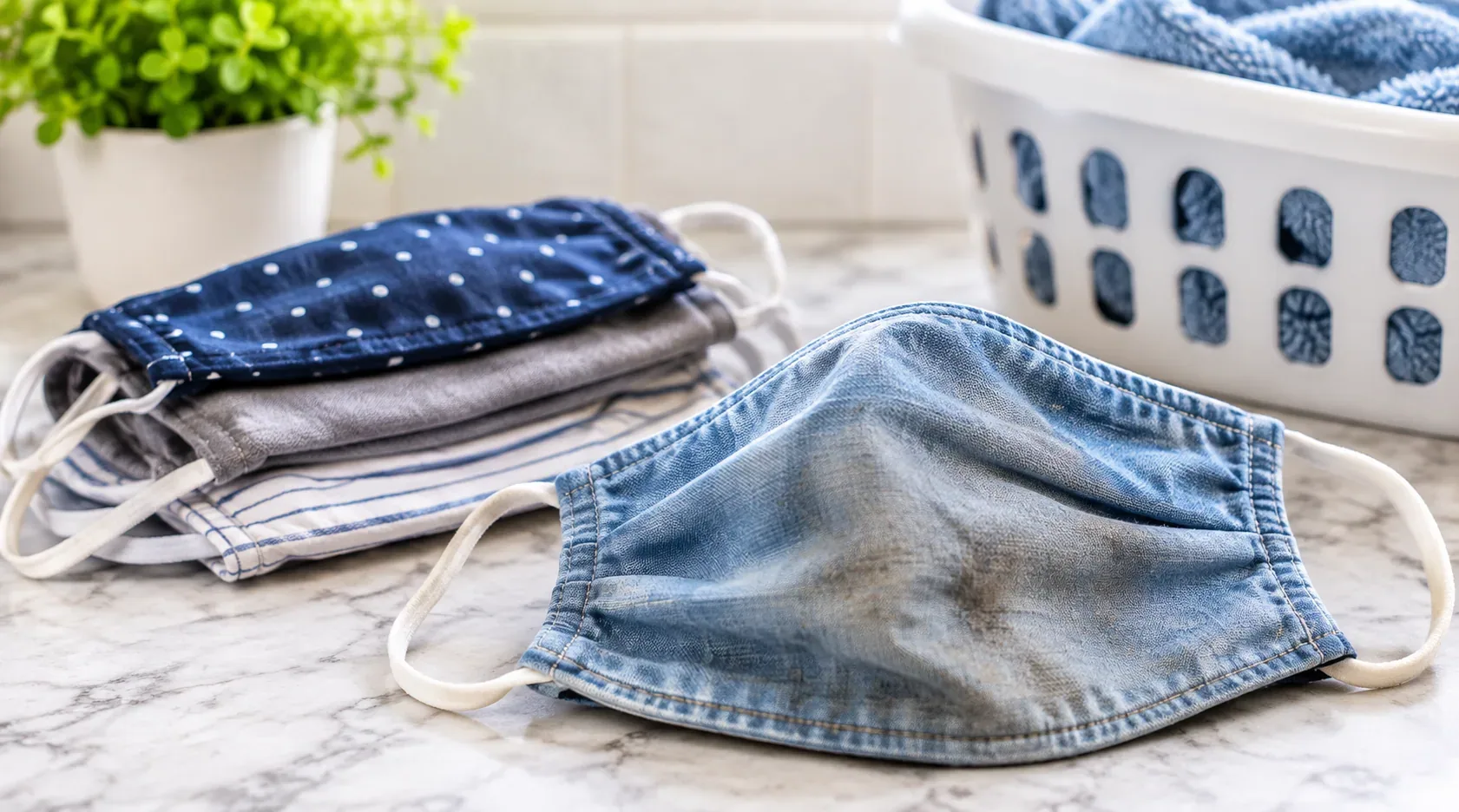
Replace your mask if you notice stretched ear loops, damaged stitching, holes, thinning fabric, or a fit that no longer feels secure.
The FDA also recommends inspecting masks for damage before use.
If you're buying several masks, review the manufacturer's care information to understand the recommended cleaning and replacement practices.
6. Check the Price, Pack Size, and Durability
Price matters, especially if you plan to use cotton masks regularly.
However, choosing the cheapest option without checking quality may lead to frequent replacements.
What affects the cost of reusable cotton masks?
Several features can influence pricing:
Fabric quality: Material construction and durability may affect how long a mask lasts.
Pack quantity: Multipacks may reduce the cost per mask.
Fit features: Adjustable straps and different sizes can affect comfort.
Care requirements: Some masks require gentler washing or drying methods.
Shipping charges: Delivery fees can increase the final purchase cost.
Are multipacks worth buying?
A multipack can be practical if you regularly wear cotton masks.
Having several clean masks available makes it easier to rotate them between uses and washing.
For example, a 5-pack allows you to keep spare masks ready while others are being cleaned.
However, check the fit before purchasing a large quantity. Buying several masks that don't fit properly won't save money.
You can compare pack quantities and product descriptions to understand what each purchase includes.
7. Review the Product Details Before Buying
A good product listing should help you understand exactly what you're purchasing.
Before placing an order, check the fabric, size, washing instructions, and any documented performance claims.
What should you look for?
Use this quick buying checklist:
- Material: Is the mask made from cotton, a cotton combination, or another fabric?
- Fit: Does the design suit your face shape and size?
- Layers: Does the manufacturer explain the mask's construction?
- Care: Can you wash and dry it easily?
- Testing: Are any filtration claims supported by recognized testing?
- Price: Does the cost fit your budget?
- Returns: Can you return an unopened product if necessary?
Customer reviews may provide helpful information about comfort and durability, but personal experiences don't establish filtration performance.
Look for specific feedback about sizing, washing, and material quality rather than relying entirely on star ratings.
If you're comparing several products, examine the available mask specifications alongside any independent testing information.
Are Reusable Cotton Face Masks Right for You?
Reusable cotton masks may be a practical choice if you prioritize washable fabric, everyday comfort, and reducing disposable waste.
They can make sense when a basic face covering is suitable for your situation and you're comfortable with regular washing.
However, if your priority is stronger protection against airborne particles, a well-fitting N95 or another appropriate respirator is generally the better choice.
Before purchasing, think about how often you'll wear the mask, the level of protection you need, and the amount you're comfortable spending.
If a washable cotton option fits your needs, you can review available styles, current prices, and purchasing details.
The right mask should fit properly, feel comfortable, and provide protection appropriate for your situation.