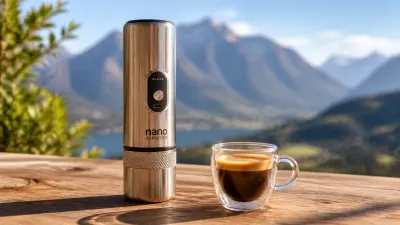
OutIn Nano Espresso Maker: Portable Premium Coffee
Discover why the OutIn Nano Portable Espresso Maker delivers authentic espresso anywhere. Learn about its dual-brew capability, battery performance, and whether this mid-range portable espresso maker is worth the investment for your lifestyle.
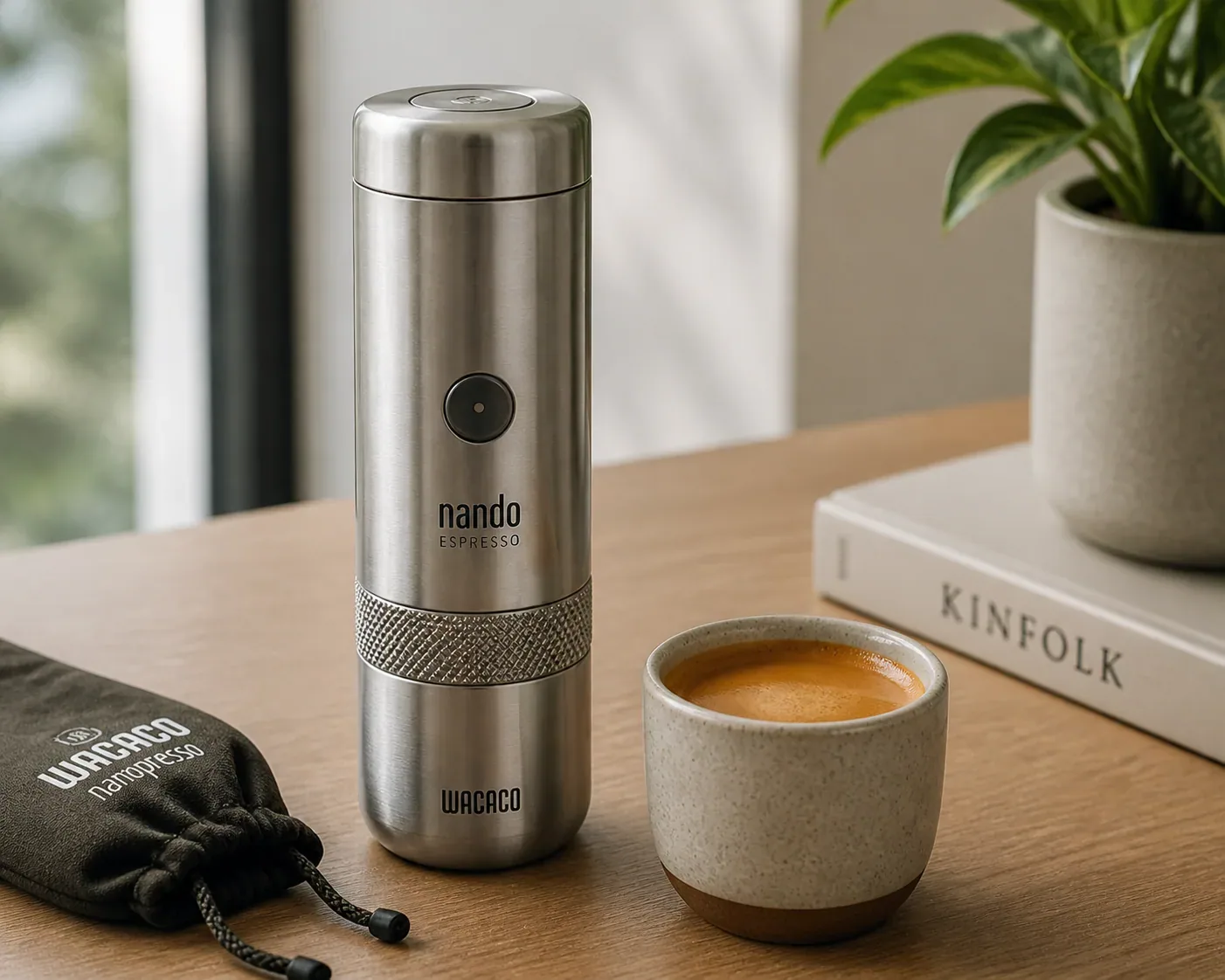
Portable Espresso Excellence: The Complete OutIn Nano Guide
Surveys reveal that 73% of coffee drinkers would sacrifice almost anything for their daily espresso fix. Yet most of us remain tethered to kitchens or cafés to get that rich, crema-topped shot we crave. The reality is frustrating: whether you're working from an office desk, camping in the mountains, or staying in yet another hotel room, genuine espresso feels impossibly out of reach.
What if you could brew authentic espresso from anywhere with the same pressure and precision as a professional machine? The OutIn Nano Portable Espresso Maker has quietly revolutionized how professionals, remote workers, and outdoor enthusiasts approach their coffee ritual. Unlike basic portable brewers that produce weak, watery coffee, the Nano delivers true high-pressure espresso extraction—the kind that produces that signature golden crema and bold flavor profile.
Discover how the OutIn Nano can transform your portable coffee experience today.
This guide helps you understand whether the OutIn Nano is the right fit for your lifestyle. You'll discover how this compact device actually works, compare its real-world performance against other portable options, explore battery life and brewing capabilities, and get honest insights into who benefits most from this investment. By the end, you'll have everything you need to decide if premium portable espresso belongs in your daily routine.
How the OutIn Nano Delivers True Espresso Pressure on the Go
Understanding High-Pressure Extraction Technology
The OutIn Nano operates on principles that professional espresso machines have relied on for decades: pressure-driven water extraction. At 9+ bars of pressure, this compact device forces hot water through tightly packed coffee grounds or capsules, pulling out the oils, flavors, and aromatics that define genuine espresso. Without this pressure, you're left with weak, diluted coffee—the kind that tastes nothing like what you'd get at a specialty café.
The rechargeable battery powers consistent pressure cycles, maintaining the force needed for proper extraction. This engineering feat is remarkable when you consider the entire device fits in your palm. Traditional espresso machines require wall outlets and counter space; the Nano requires only a charge and a few minutes of your time.
Pressure-Based Brewing Versus Other Portable Methods
Pour-over systems, French presses, and AeroPress brewers all have their merits for outdoor coffee preparation. However, they operate through different extraction mechanisms. Pour-over relies on gravity to pull water through grounds—producing decent coffee but lacking the body and crema of true espresso. French press steeping extracts flavor through immersion rather than pressure, resulting in a fuller cup than pour-over but still missing the concentrated intensity of espresso.
The OutIn Nano's pressure-based approach creates something these alternatives cannot: real espresso. The pressure forces water molecules to extract compounds from the coffee grounds at a rate and intensity that gravity-based methods simply cannot match. This is why the Nano-brewed espresso tastes distinctly different—richer, more concentrated, with that characteristic crema floating on top.
The Role of the Heating Element and Temperature Control
Rapid heating is essential for portable espresso makers. The OutIn Nano's heating element brings water to optimal brewing temperature (around 200°F or 93°C) in seconds, not minutes. This speed matters because it means you're not waiting forever for your espresso between charging sessions. Temperature stability during extraction directly influences the final cup quality; water that's too hot burns the grounds and produces bitter flavors, while water that's too cool under-extracts and results in sour, weak shots.
Crema Formation: The Signature of Quality Extraction
That golden-brown foam atop your espresso isn't just visual appeal—crema indicates successful extraction. It forms when pressurized water forces coffee oils and gases to emulsify, creating a stable layer that sits on top of the liquid espresso. Machines that can't generate sufficient pressure produce little to no crema. The fact that the Nano consistently produces crema tells you the pressure system is functioning correctly and extraction is happening at the level needed for authentic espresso.
Dual Compatibility: Grounds and Capsules
One standout feature of the OutIn Nano is its flexibility. You can brew with pre-portioned capsules for consistency and convenience, or switch to fresh ground coffee for customization and cost savings. Capsules arrive pre-dosed and tamped, eliminating guesswork; you simply insert, apply pressure, and extract. This appeals to travelers and office workers who want reliability without technique requirements.
Ground coffee brewing requires more attention. You need to select the appropriate grind size (fine, but not espresso-powder fine), tamp with consistent pressure, and monitor extraction time. The trade-off is worth it if you care about freshness and variety. Whole beans ground at home retain more flavor than pre-ground coffee, and capsule systems lock you into specific brands and flavor profiles.
Switching between methods is straightforward, though cleaning requirements differ. Capsule brewing is faster to clean; ground coffee brewing leaves small particles that require flushing and occasional deeper maintenance.
Battery Life and Charging: Real-World Performance for Different Usage Patterns
USB-C Charging and Recharge Times
The OutIn Nano uses USB-C charging, meaning you can power it from the same cable as your smartphone, tablet, or laptop. This standardization is genuinely convenient for travelers who already carry USB-C chargers. Recharge time from empty to full typically takes around 60-90 minutes, depending on the charger's wattage. Using a higher-wattage charger (such as a laptop charger rated for 30W or more) speeds up the process compared to a basic phone charger.
Shots Per Charge and Battery Degradation
A fully charged OutIn Nano typically produces 3-5 consecutive espresso shots before the battery depletes, depending on how you're using it. If you're extracting single shots with minimal water heating between brews, you'll hit the higher end of that range. If you're draining the water tank between shots and requiring full reheat cycles, expect closer to 3 shots per charge.
Battery degradation occurs over time with any lithium-ion system. After 200-300 charge cycles (roughly one to two years of regular use), you might notice the shot count drops slightly. This is normal and expected; OutIn designs the Nano to handle this gracefully rather than failing abruptly.
Power Management Features
The device includes automatic shutdown features that preserve battery life. If you leave the Nano idle for several minutes, it enters a low-power state. This prevents battery drain when you're not actively brewing, which is especially valuable during camping trips or travel when you might use the machine sporadically throughout the day.
Charging Scenarios for Different User Types
Office workers benefit most from daytime charging. Keep your Nano at your desk, brewing a shot or two mid-morning and early afternoon. You'll use maybe 2-3 shots per workday, leaving plenty of battery capacity. Charging overnight ensures you start fresh each morning.
Weekend campers face different constraints. If you're heading out Friday evening and returning Sunday, you have a finite power budget. With 3-5 shots per charge, you can realistically brew 6-10 shots over a weekend if you recharge the battery once in your campsite (assuming you have access to a car charger or solar panel).
Extended travelers packing for weeks or months need backup charging solutions. A portable power bank rated for USB-C charging becomes essential. Many quality power banks offer 20,000-30,000 mAh capacity, providing multiple recharges of the Nano throughout your journey.
Backup Power Solutions
Portable power banks work effectively with the OutIn Nano. Select one with at least 20,000 mAh capacity and USB-C output. Solar chargers are another option, though slower—a decent solar panel might add 10-15% battery per hour in direct sunlight. For car-based travelers, a car charger offering USB-C output eliminates anxiety about battery depletion entirely.
Cold Weather and High-Altitude Performance
Battery efficiency decreases in cold conditions. At freezing temperatures, a fully charged Nano might only produce 2-3 shots instead of the usual 4-5. This is a universal lithium-ion limitation, not unique to OutIn. High-altitude environments present different challenges; the lower atmospheric pressure affects water boiling points and heating efficiency, though the impact on the Nano's performance is minimal since the device relies on pressure extraction rather than traditional heating.
Battery Efficiency Versus Competing Makers
The OutIn Nano's battery efficiency is competitive within the portable espresso category. Some budget competitors rely on manual pressure and produce fewer shots per charge because there's no battery at all (you do the pressurizing). Premium competitors with larger bodies can fit bigger batteries, producing 6-8 shots per charge, but they sacrifice portability. For the Nano's size and weight class, the battery performance represents solid engineering.
Experience the convenience of portable espresso with the OutIn Nano's efficient battery system.
Water Tank Capacity and Refilling Logistics
Standard Tank Size and Shot Production
The OutIn Nano's water tank holds approximately 50-80 ml, depending on the specific model version. A single espresso shot requires roughly 25-30 ml of water, meaning a full tank produces roughly 2-3 shots before requiring a refill. This limitation is intentional; a larger, heavier water tank would compromise portability, which is the entire point of this device.
Implications for Different Usage Scenarios
For users planning a single espresso shot mid-morning, this capacity is irrelevant. Fill it once, brew once, done. If you want to brew for a friend or prepare multiple drinks during an outdoor adventure, limited capacity becomes inconvenient. You'll need to refill between shots or be strategic about when you brew.
Water Quality Considerations
Using filtered or distilled water extends machine lifespan compared to mineral-heavy tap water. Minerals accumulate inside heating elements and channels, gradually reducing efficiency. If you're traveling, bottled filtered water is practical. In offices or hotels with quality tap water, regular tap water is fine for occasional use. The Nano's compact heating system isn't as susceptible to mineral buildup as large espresso machines, so this concern matters less than with professional equipment.
Refilling Procedures in Various Environments
In hotels, restroom faucets work fine. In campgrounds, you might fill from a communal water station or stream (filtering first if the source is questionable). In offices, a kitchen sink or water fountain provides quick access. The small tank size means refilling takes seconds once you locate water.
Spillage Prevention and Secure Sealing
The OutIn Nano features a secure screw-cap or locking mechanism on the water tank. This prevents leaks in backpacks or bag pockets—a critical feature for portable gear. The tank seals tightly enough that you can toss the device in a backpack or travel bag without worrying about water damage to surrounding items.
Thermal Efficiency with Small Water Volumes
Heating small volumes of water to extraction temperature happens remarkably fast in the Nano. This efficiency is a practical advantage; you're not waiting five minutes for water to heat up. The tradeoff is that thermal mass is minimal, so if you're extracting multiple shots back-to-back, the temperature might drop slightly between shots if you don't allow reheat time between brews.
Practical Tips for Maximizing Efficiency
Pre-fill your water tank before heading out so you're not hunting for water mid-adventure. If you're brewing multiple shots, allow 30-45 seconds of reheat time between extractions to ensure temperature stability. In cold weather, the reheat time increases slightly as the heating element works harder. Plan your brewing sequence around battery capacity; if you have 5 shots worth of battery per charge, consider brewing 4 shots and saving the final shot for later in the day rather than exhausting the battery completely.
Versatility Through Dual Brewing: Grounds and Capsules
Compatible Capsule Systems
The OutIn Nano works with specific capsule systems that OutIn manufactures or partners with. Compatible capsules come pre-portioned and tamped, eliminating prep work. This consistency appeals to people who want the same result every time without technique variables. Capsule options often include standard espresso profiles, longer extractions, and specialty flavors depending on the brand partnerships OutIn maintains.
Advantages of Capsule Brewing
Pre-portioned capsules guarantee the correct dose of coffee every time. There's no guesswork about grind size, tamping pressure, or distribution. For office workers who want a quick, reliable espresso break, capsules eliminate variables. The extraction is consistent, the cleanup is fast (just remove the used capsule), and the flavor profile is repeatable. This predictability appeals to people who don't consider themselves coffee experts and simply want good espresso without learning technique.
Ground Coffee Brewing with the Nano
Brewing with fresh ground coffee requires more engagement but offers superior flavor potential. Whole beans ground fresh retain more aromatic compounds than pre-ground coffee or capsules. The recommended grind size for the Nano is fine—similar to what you'd use in a traditional espresso machine, but not so fine that water can't flow through.
Achieving optimal extraction with ground coffee involves:
- Grinding beans fresh immediately before brewing
- Filling the portafilter basket evenly
- Tamping with consistent downward pressure (around 30 lbs of pressure)
- Monitoring extraction time (typically 20-30 seconds for a full shot)
- Stopping when the espresso reaches your desired volume
Switching Between Methods and Cleanup
Transitioning from capsule to ground coffee requires emptying the portafilter basket and replacing it with the ground coffee basket. Cleanup differs significantly. After capsule brewing, you simply remove the spent capsule. After ground coffee brewing, water and fine particles remain in the basket; you need to rinse or flush the basket thoroughly to prevent grounds from drying and clogging the basket holes.
Cost Comparison Over Time
Capsules typically cost $0.50-$1.00 per shot, depending on the brand and whether you're buying in bulk. Ground coffee, purchased as whole beans and ground at home, costs roughly $0.15-$0.30 per shot when you factor in the bean cost. Over a year of regular use (say, 200 shots), capsule brewing might cost $100-$200, while ground coffee might cost $30-$60. The financial advantage of ground coffee grows dramatically over years of ownership.
Sustainability Considerations
Capsules generate plastic waste, an environmental concern for conscious consumers. Many capsule systems now offer recyclable or compostable options, though availability varies by region. Ground coffee brewing produces only used grounds, which are compostable or can be added to garden soil. If environmental impact weighs heavily in your decision, ground coffee brewing is the more sustainable approach.
Customization with Fresh Ground Beans
Fresh ground beans open endless flavor exploration. You can rotate between single-origin coffees, experiment with different roast levels, and discover flavor notes unavailable in capsule systems. Light roasts yield brighter, more acidic espresso; dark roasts produce bolder, smokier profiles. Medium roasts split the difference. This customization appeals to coffee enthusiasts who view espresso preparation as a ritual rather than a utility.
Build Quality and Durability for Active Lifestyles
Construction Materials and Impact Resistance
The OutIn Nano is built with materials selected for durability and portability. The body typically combines stainless steel and high-grade plastics that resist minor drops and impacts. This isn't a device you'd intentionally throw around, but it can handle the occasional bump in a backpack or the drop from a car seat that happens to everyone.
Waterproofing and Weather Resistance
For a portable espresso maker, waterproofing is essential. The OutIn Nano features sealed components that resist water intrusion, making it suitable for use in humid, wet conditions. It's not fully submersible (don't dunk it in a lake), but it can handle rain, morning dew on a campsite table, and hand-washing without concerns. This weather resistance is crucial for outdoor enthusiasts who use the device in variable conditions.
Longevity Expectations
With regular use and proper maintenance, the OutIn Nano should function reliably for 3-5 years. This is a reasonable lifespan for a portable device subjected to travel and outdoor conditions. Some units may last longer with meticulous care; others might face issues sooner if used roughly or maintained poorly. The key factors affecting longevity are how frequently you use it, how harshly you treat it, and whether you follow maintenance protocols.
Warranty Coverage and Customer Support
OutIn typically offers a 12-month warranty covering manufacturing defects. Beyond that, customer support quality varies; OutIn's reputation for responding to inquiries and troubleshooting issues is generally positive based on user reports. Before purchasing, verify the specific warranty terms and OutIn's return policy, as these protections matter if something fails early.
Maintenance Requirements
Regular maintenance keeps the Nano functioning optimally. After each use, rinse the portafilter basket and shower screen. Weekly, run water through the group head to clear any coffee residue. Monthly, run a cleaning cycle if the manufacturer provides specific guidance. Annual descaling with a citric acid or commercial espresso machine cleaner removes mineral buildup from the heating element and internal channels.
These tasks take 5-10 minutes per session, making maintenance manageable for regular users. Neglecting maintenance increases the risk of reduced pressure, slower heating, or internal corrosion over time.
Common Wear Points
The shower screen (the metal piece that disperses water over the coffee) can crack from impacts or pressure damage. Seals around the water tank and portafilter can degrade from repeated use and exposure to temperature fluctuations. The heating element can accumulate mineral deposits if you use hard water. All of these are addressable through replacement parts (usually inexpensive) rather than requiring a new machine.
Performance Consistency Over Time
Fresh from the box, the Nano produces consistent pressure, rapid heating, and reliable extraction. Over months and years, performance consistency depends on maintenance. A well-maintained Nano continues producing quality espresso; a neglected one gradually performs worse. OutIn engineered this device to be serviceable, meaning you can replace worn components rather than discarding the entire machine.
Price-to-Performance Analysis: Is the Mid-Range Investment Justified?
Typical Retail Pricing and Bundle Options
The OutIn Nano retails in the $120-$160 range depending on the specific model and current promotions. Bundle options often include the machine plus a carrying case, ground coffee, or a starter capsule pack, potentially raising the upfront cost to $180-$200. Seasonal promotions sometimes offer discounts of 10-20%, making the effective price lower during sales periods.
Comparison with Alternatives
Budget portable coffee makers ($30-$60) typically use manual pressure systems where you push a plunger or lever to create pressure. These produce weak coffee compared to the Nano because manual pressure rarely exceeds a few bars. Premium espresso machines ($500+) produce superior espresso if you have a counter and electricity access, but they're the opposite of portable.
The Nano occupies the sweet spot: genuinely capable espresso extraction in a pocket-sized package at a price point that doesn't require financing. It's significantly cheaper than a countertop espresso machine yet dramatically more capable than budget portable brewers.
Cost Per Shot Analysis
Using capsules at $0.75 per shot, brewing 3 shots daily costs roughly $2.25 per day or $68 per month. Annual espresso cost (365 shots) runs approximately $274. If you were previously buying café espresso at $4-$6 per shot, the Nano pays for itself in roughly two months of daily use.
Using ground coffee at $0.20 per shot, the same daily usage costs roughly $0.60 per day or $18 per month. Annual cost drops to approximately $73. The financial advantage of ground coffee over time is substantial.
Long-Term Value Proposition
For remote workers or frequent travelers, the Nano's value multiplies. Eliminating café visits saves money while improving espresso quality. For occasional users who brew a few shots per month, the per-shot cost is higher relative to usage, making the investment harder to justify unless the portable convenience itself is the primary value.
Hidden Costs
Beyond the machine price, consider replacement parts (shower screens, seals run $10-$30), capsule subscriptions if you use capsules regularly, and potential descaling supplies ($5-$15 per year). None of these are expensive, but they add up. Maintenance supplies are minimal compared to the savings from eliminating café spending.
Seasonal Promotions and Best Deals
Black Friday, Cyber Monday, and holiday sales often feature the best pricing. Checking OutIn's official website and authorized retailers during promotional periods can save $20-$40. Price comparison across retailers is worthwhile, as some offer bundle deals or free shipping that improve overall value.
Return on Investment for Specific Users
A remote worker brewing 2-3 shots daily at home saves roughly $240-$360 annually compared to café spending. The Nano pays for itself in 4-8 months of regular use. Frequent business travelers enjoy similar payback timelines by eliminating expensive hotel café purchases. Weekend campers benefit primarily from convenience and experience rather than direct financial savings, making the value proposition less about ROI and more about lifestyle enhancement.
Who Actually Benefits Most From Owning the OutIn Nano
Office Workers and Quality Coffee Breaks
Office workers stuck with mediocre break room coffee or expensive café visits throughout the workday represent the Nano's ideal customer segment. A personal espresso machine at your desk transforms your workday. You get genuine espresso whenever you want it, avoiding the café line and the $5-$6 price tag. The ritual of brewing becomes a mindful break from screen time, offering psychological benefits beyond caffeine. The compact size means it doesn't dominate your desk space.
Remote Workers and Digital Nomads
Remote workers operating from home offices, co-working spaces, or while traveling worldwide face constant coffee quality challenges. The Nano solves this entirely. Whether you're working from a Lisbon apartment, a Bali café, or a family's guest room, genuine espresso is 30 seconds away. Digital nomads appreciate the consistency; no matter which city you're in, your espresso quality remains constant.
Camping and Hiking Enthusiasts
Outdoor adventurers who believe coffee belongs on every trip find the Nano transformational. Morning espresso at base camp, afternoon shots during a hiking break, or evening espresso after a long day shifts the entire experience. The device's durability means it handles campsite conditions. The weight penalty (a few hundred grams) is negligible compared to the enjoyment enhancement.
Frequent Business Travelers
Business travelers staying in hotels face consistent coffee disappointment. Hotel room coffee makers produce weak, lukewarm liquid barely worthy of the name coffee. The Nano changes this entirely. Charge it in your hotel room via USB-C, brew genuine espresso in the morning before meetings, and enjoy an advantage over colleagues stuck with mediocre options. The compact size fits easily in carry-on luggage.
Coffee Enthusiasts with Limited Kitchen Space
Urban apartment dwellers or tiny home enthusiasts who love espresso but lack space for a full espresso machine find the Nano ideal. It occupies minimal counter space (or stores in a cabinet) while delivering professional-quality espresso. For space-constrained coffee lovers, this is often the only viable option.
People Transitioning from Café Spending to Home Brewing
Individuals trying to reduce café spending while maintaining quality espresso find the Nano perfect. The financial payback is rapid, and the quality is immediately satisfying. This group tends to be highly satisfied because they see both quality improvement and financial savings.
Lifestyle Segments Justifying the Premium Price
Anyone whose daily routine includes moments where premium espresso would genuinely enhance the experience benefits from the Nano. This includes workout recovery (espresso post-exercise is legitimate), creative breaks (writers and designers), professional work breaks (better than email), and outdoor adventures. The device pays for itself through combinations of direct savings and lifestyle enhancement.
Practical Limitations and Honest Trade-Offs
Single-Shot Capacity Constraints
The Nano produces roughly 25-30 ml espresso per shot, which is a single espresso serving. If you want to make a double shot or two drinks for yourself and a companion, you're running multiple extractions and waiting for reheat cycles. This limitation isn't a deal-breaker for most users, but it's worth acknowledging if you regularly consume double shots or want to quickly brew for multiple people.
Battery Constraints During Back-to-Back Brewing
Extracting 5 consecutive shots depletes the battery, and recharging takes 60-90 minutes. If you're running a weekend camping trip and want unlimited espresso throughout the day, a single Nano doesn't provide that without either rationing shots or having access to a power bank. Most users work around this through charging discipline rather than viewing it as a critical flaw.
Noise Levels During Operation
The Nano produces audible noise when the pressure pump activates and water flows through the grounds—roughly 70-75 decibels, similar to a blender or busy restaurant. This isn't a whisper-quiet device. In shared office spaces or hotel rooms, the noise might attract attention. If you're brewing at 6 AM in a hotel room next to a light sleeper, the noise could be inconsiderate.
Learning Curve for Ground Coffee Optimization
Using ground coffee requires technique development. New users often over-tamp or under-tamp, resulting in weak or bitter shots. Grind size selection requires experimentation. Temperature control demands attention. Capsules eliminate this learning curve entirely. If you're the type who wants a device that just works without technique, the Nano's ground coffee option presents a barrier that capsule brewing doesn't.
Cleaning and Maintenance Time Requirements
Each use requires rinsing the portafilter and basket, a 2-3 minute task. Weekly and monthly maintenance adds another 5-10 minutes. Annual descaling is a longer process. For users who value minimal fuss, this ongoing maintenance is a legitimate consideration. Capsule brewing reduces this burden but locks you into capsule costs.
Weight and Size Relative to Other Options
At around 300-350 grams and roughly 4 inches tall, the Nano is highly portable but not weightless. Ultralight backpackers who count every gram might find this slightly heavy. Manual pressure brewers weigh less, though they're less capable. If portability is your absolute priority, the trade-off between weight and capability matters.
When Alternative Methods Might Be Better
Manual pressure brewers work well if you're willing to sacrifice convenience for weight savings. Pour-over or AeroPress systems work better if you prefer larger volumes of coffee rather than espresso shots. Traditional espresso machines work better if you have a permanent location and prioritize espresso quality above portability. The Nano is a compromise device that optimizes for portable authentic espresso; if you're optimizing for something else, something else might be better.
Real-World Brewing: Step-by-Step Operation and Tips
Initial Setup and First-Use Preparation
When you first receive the Nano, inspect for shipping damage and confirm all components are present (water tank, portafilter basket for grounds, capsule basket, charging cable, carrying case). Charge the battery fully before first use; this typically takes 60-90 minutes. Run a few brewing cycles with water only (no coffee) to flush the system of any manufacturing residue. This preparation ensures optimal performance from your first real shot.
Water Filling and Temperature Pre-Heating
Unscrew the water tank cap and fill with filtered water to the maximum line. Screw the cap back securely. Press the power or heat button (depending on the model) to activate the heating element. Most Nano models illuminate an indicator when the heating cycle is complete, which takes roughly 20-30 seconds. Subsequent brewing sessions heat faster if you don't drain the tank completely between shots.
Ground Coffee Tamping and Dosing
If using ground coffee, grind beans immediately before brewing (use a fine espresso grind size). Fill the portafilter basket until grounds mound slightly above the rim. Tamp with a gentle twisting motion and downward pressure (aim for around 30 pounds of pressure—firm enough to compress the grounds but not violent). The proper tamp creates an even, level puck of grounds that water flows through evenly. Uneven tamping results in uneven extraction and weaker espresso.
Capsule Insertion and Pressure Application
If using capsules, place the appropriate capsule into the capsule basket. Insert the basket into the group head and screw or lock it in place according to your model's design. Apply downward pressure gradually as you insert the basket; the initial resistance will suddenly decrease once the capsule punctures. This two-stage insertion is normal and expected.
Brewing Time Expectations and Extraction Completion
Once water begins flowing through the grounds or capsule, extraction typically lasts 20-30 seconds for a standard espresso shot. You're looking for a thin stream of deep brown liquid, not a gush and not a drip. Espresso flows slower than regular coffee because of the pressure and fine grounds. Once the espresso reaches your desired volume (typically 25-30 ml), stop the extraction by switching off the power or pressure pump, depending on your model's design.
Troubleshooting Common Issues
Weak shots: This typically means under-extraction, caused by too-coarse grounds, insufficient tamping, or insufficient pressure. Solution: use a finer grind, tamp with more pressure, or check that the heating element is functioning properly.
Leaking water: Usually caused by improper seating of the portafilter or a worn seal. Solution: remove and reinsert the portafilter, ensuring it's locked in place. If leaking persists, the seal likely needs replacement.
Inconsistent pressure: Often indicates mineral buildup in internal channels. Solution: run a descaling cycle with citric acid or commercial espresso cleaner following the manufacturer's instructions.
Pro Tips from Experienced Users
Experienced Nano users offer consistent advice: pre-wet the grounds before extracting (run water through for 2-3 seconds without pressure to saturate the grounds and ensure even extraction). Invest in a quality burr grinder for ground coffee; blade grinders produce inconsistent particle sizes that compromise extraction. Preheat your cup by running hot water through it before dispensing espresso; cold cups cool your shot quickly. Keep a small notebook tracking your brewing parameters (grind size, tamp pressure, extraction time) so you can replicate shots you enjoy. Finally, store the device clean and dry; don't leave water sitting in the tank for extended periods.
Cleaning Protocols and Maintenance Schedules
After each use, immediately remove the portafilter basket and empty used grounds or capsules. Rinse the basket and portafilter thoroughly under running water. Wipe the shower screen (the perforated metal piece above the basket). Weekly, run 50 ml of water through the group head (without grounds or capsule) to flush residue. Monthly, soak the portafilter basket and shower screen in a small bowl of water mixed with espresso machine cleaner for 15-20 minutes, then rinse thoroughly. Annually, if you use the device regularly, run a descaling cycle with citric acid or commercial descaler through the entire system, following the manufacturer's specific instructions.
OutIn Nano vs. Competing Portable Espresso Solutions
Head-to-Head Comparison with Mid-Range Competitors
Several portable espresso makers compete in the Nano's price range. Manual pressure brewers like the Flair series ($30-$50) offer lower cost but require physical effort to generate pressure, producing weaker espresso than the Nano. The Wacaco Nanopresso ($40-$60) is another manual option with similar limitations. Moving up in price, devices like the Handpresso Wild ($150-$180) and other battery-powered competitors offer similar capabilities to the Nano but often with different trade-offs in battery life, shot capacity, or heating speed.
Differentiation Factors Setting the Nano Apart
The OutIn Nano distinguishes itself through consistent heating, dual compatibility with grounds and capsules, build quality suggesting durability, and rapid pressure generation. Most competitors excel in one or two areas; the Nano balances multiple capabilities without significant weakness in any. The rechargeable battery reliability is notably strong compared to some competitors that report battery issues.
Price Positioning
At $120-$160, the Nano sits comfortably between budget manual brewers and premium options. It's more expensive than manual pressure brewers but significantly cheaper than compact espresso machines requiring electricity. This positioning makes it the choice for users who value authentic espresso more than minimum price but can't justify full espresso machine investment.
User Satisfaction Ratings and Review Analysis
Across verified purchase reviews on major platforms, the Nano typically earns 4.2-4.6 stars out of 5. Common praise includes consistent pressure, rapid heating, portability, and build quality. Common complaints include single-shot capacity limitation, battery constraints for heavy use, and capsule costs for the dual-compatibility system. Overall satisfaction is notably high among people using it for intended purposes (work breaks, travel, camping).
Unique Features Exclusive to OutIn
The specific capsule compatibility system is exclusive to OutIn. Other brands use proprietary or different capsule formats. If capsule brewing appeals to you, this ecosystem lock-in matters. However, the Nano's ground coffee compatibility means you're not entirely dependent on the capsule system.
Ecosystem Benefits of OutIn Products
Owning multiple OutIn products creates ecosystem benefits. If you own other OutIn devices or accessories (like charging docks or travel cases), they integrate seamlessly. OutIn maintains a compatible ecosystem, though this advantage only matters if you're actively building a broader OutIn collection.
Competitor Strengths
Manual pressure brewers excel at weight and simplicity for users willing to sacrifice convenience. Some competitors offer larger water tanks or higher shot capacity. Premium competitors offer superior espresso through larger heating chambers and advanced temperature control. The Nano is the best choice for a specific user segment, but different competitors are better for different priorities.
The Espresso Experience: Flavor, Crema, and Coffee Quality
Sensory Characteristics of Nano-Brewed Espresso
Espresso from the Nano tastes distinctly different from weak coffee or espresso from lower-pressure systems. The body is fuller, the flavor more concentrated, the finish more complex. Well-extracted Nano espresso exhibits both sweetness and slight bitterness in appropriate balance. The mouthfeel is heavier than pour-