Nextrition Probiotic Chews for Picky Dogs
Struggling to get your picky dog to take supplements? Discover how Nextrition Pet Probiotic Chews solve the compliance problem with irresistible palatability, proven digestive benefits, and effortless daily dosing for dogs of all sizes.
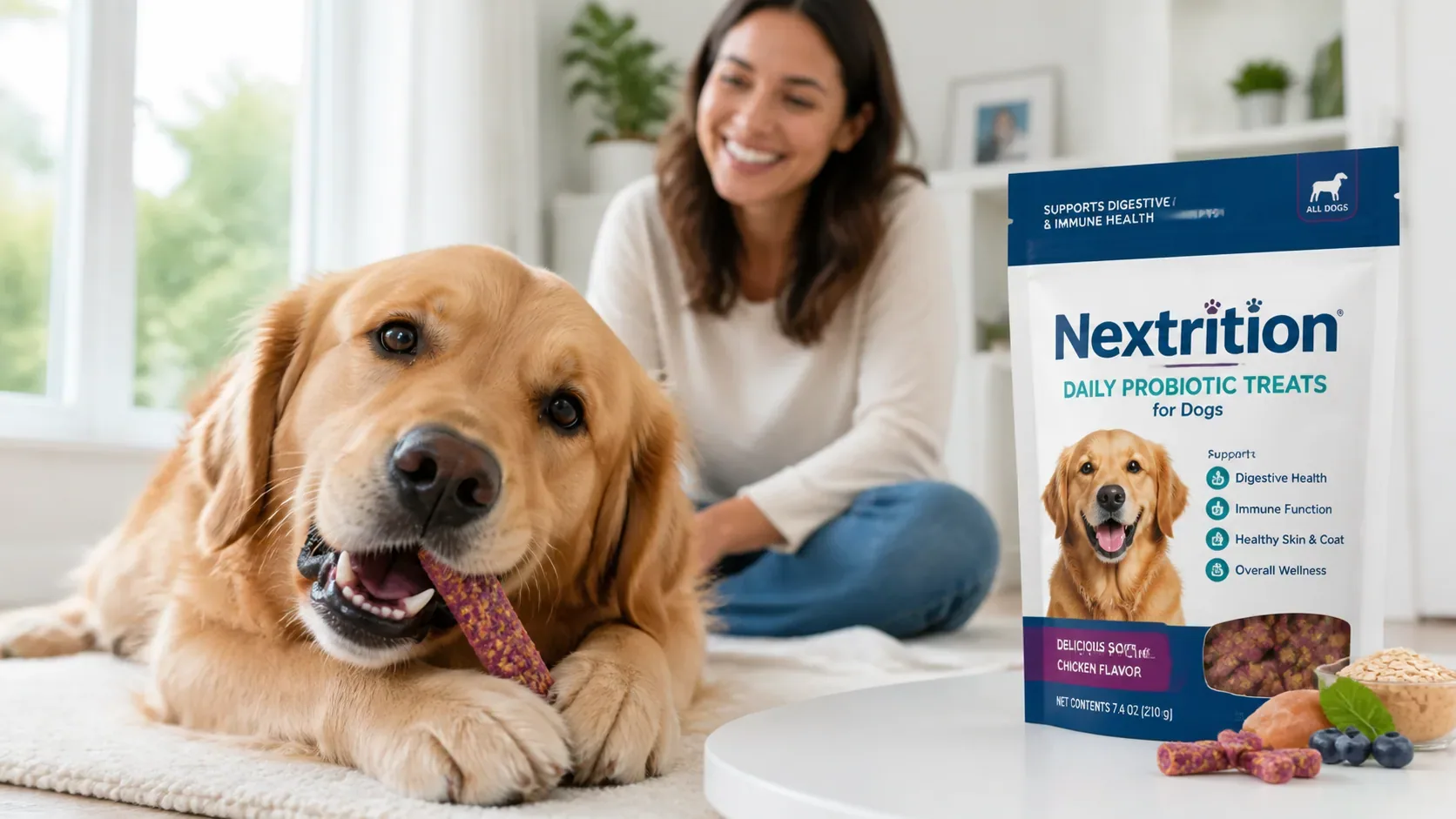
Over 60% of dog owners struggle to get their pets to take daily supplements, with most giving up within the first two weeks. Whether it's powder that gets spit out, capsules that mysteriously disappear under the couch, or liquid formulas that create a messy battlefield in your kitchen—supplement compliance is one of the biggest challenges facing responsible pet parents today.
Nextrition Pet Probiotic Chews were designed specifically to crack this code. Rather than forcing you into a daily battle with a reluctant dog, these soft chews combine palatability with serious digestive science. The product merges probiotics for gut balance, prebiotics for microbial nourishment, and targeted wellness ingredients into a format that dogs actually want to eat.
It's a straightforward solution to a genuinely annoying problem. Discover how Nextrition Pet Probiotic Chews can transform your dog's supplement routine.
Why Picky Dogs Reject Traditional Supplements (And How Chews Change the Game)
The sensory barriers that make powders, capsules, and liquids unappealing to selective dogs
Picky dogs don't reject supplements out of stubbornness. They reject them because their sensory experience tells them something is wrong. Powders have a texture that coats the mouth unpleasantly. Capsules are foreign objects with no taste that dogs instinctively spit out. Liquid formulas often have metallic or bitter undertones that dogs associate with things to avoid. These aren't preference issues—they're sensory red flags firing in your dog's brain.
How soft chew texture and flavor masking address the root causes of supplement refusal
Soft chews eliminate the primary sensory objections. The texture mimics a treat rather than medicine. The flavor masking means your dog tastes something appealing rather than the underlying supplement ingredients. This isn't trickery; it's smart product design that acknowledges how dogs actually experience food.
The psychology of palatability: why dogs that reject pills often devour chews
A dog that refuses a pill will often consume a chew because the psychological barrier is lower. Pills signal medication. Chews signal reward. Your dog's brain categorizes them differently from the moment they appear. This psychological shift is powerful enough to change behavior entirely.
Comparison of compliance rates between chew formats versus other delivery methods
Studies on pet supplement compliance consistently show chew formats outperform powders and capsules by significant margins. Dogs that reject other formats will accept chews at rates exceeding 80% when properly introduced. This isn't marginal improvement—it's the difference between a supplement that actually gets consumed and one that ends up in the trash.
The role of ingredient visibility in building dog trust (opaque chews versus transparent formulas)
Transparent formulas can actually work against you with selective eaters. When a dog can see all the particles and mixed ingredients, they become more suspicious. Opaque chews maintain consistency in appearance and texture, which builds trust over repeated doses. Your dog knows what to expect each time.
How Nextrition's chew design specifically targets dogs with previous negative supplement experiences
Dogs that have rejected multiple supplements carry baggage. They've learned to be suspicious of anything that looks medicinal. Nextrition's approach acknowledges this history by making the chew indistinguishable from a quality treat. The design specifically counters previous negative associations rather than ignoring them.
Digestive Benefits That Work for Resistant Eaters
Probiotic strains included and their specific roles in canine gut health
The probiotics in these chews are selected specifically to support canine digestive function. Rather than generic bacterial cultures, the formula targets strains that colonize dog digestive systems effectively. Each strain has a specific role—some enhance nutrient absorption, others reduce gas and bloating, and some directly support stool quality.
How prebiotics create an environment where beneficial bacteria actually colonize
Prebiotics are the food source that allows probiotics to thrive. Without them, beneficial bacteria struggle to establish themselves in your dog's gut. The combination of probiotics plus prebiotics in these chews creates the conditions necessary for lasting improvement, not just temporary bacterial presence.
Connection between improved digestion and reduced behavioral resistance to supplements
Dogs that experience genuine digestive improvement often become more receptive to continued supplementation. Better digestion means better energy, clearer thinking, and less discomfort. Your dog begins to feel better and stops associating the chew with something to resist.
Stool quality improvements as the primary indicator of efficacy in picky eaters
With resistant eaters, stool quality is the measurable indicator that matters most. You can observe changes in consistency, frequency, and overall appearance without needing lab work. Improvement here is concrete evidence that the supplement is working, not speculation.
Immune function support through gut barrier strengthening
A significant portion of canine immune function originates in the gut. When the gut barrier strengthens through probiotic support, immune response improves across the entire body. Your dog becomes better equipped to handle environmental stressors and potential pathogens.
Timeline for noticing changes: what to expect in week one versus week four
Week one typically brings no visible changes. Your dog is accepting the chew and the bacteria are beginning to colonize. By week two, some dogs show slight improvements in energy or stool consistency. Week four is when most owners notice meaningful changes in digestion and overall wellbeing.
Why consistent use matters more for dogs with sensitive digestive systems
Dogs with historically sensitive digestion can't afford to have gaps in supplementation. Inconsistency allows the gut flora to destabilize again. For these dogs, daily consistency isn't optional—it's what determines whether the supplement actually works.
Explore Nextrition Pet Probiotic Chews and find the right dosage for your dog's digestive needs.
Practical Strategies for Introducing Chews to Supplement-Resistant Dogs
The treat first method: building positive associations before formal dosing
Start by offering the chew as a treat outside of any routine context. Let your dog discover that it's actually appealing without the pressure of "taking a supplement." Repeat this several times until the chew becomes something your dog actively looks forward to. Only then introduce it as a daily routine.
Mixing chews with high-value foods without compromising digestive benefits
If your dog remains hesitant, placing the chew alongside something they absolutely love can help. A piece of cheese, a small amount of peanut butter, or a favorite training treat can make the chew more appealing. The probiotic benefits aren't compromised by this approach.
Timing strategies: morning versus evening administration for maximum acceptance
Some dogs are more receptive to supplements at specific times. Morning often works best when your dog is hungry and less picky. Evening can work if your dog is in a calm, reward-minded state. Test both and stick with whichever timing results in better acceptance.
Gradual introduction protocols for dogs with severe supplement aversion
Severe aversion requires patience. Start by placing the chew near your dog's food bowl without expectation that they'll eat it. Move it slightly closer to their food over several days. Eventually, mix it into their regular meal. This slow approach removes pressure and builds acceptance.
Using chews as training rewards to reframe supplement-taking as positive behavior
Incorporate the chew into training sessions where your dog earns rewards for desired behavior. This reframes the chew as a prize rather than medicine. Your dog begins to associate it with success and positive reinforcement.
Portion control considerations when integrating chews into daily treat allowances
Chews are supplements, not treats, so they shouldn't count toward your dog's daily treat budget in terms of calories. However, they do provide satisfaction similar to treats. Adjust your dog's other treats accordingly to prevent overfeeding.
Recognizing when a dog has genuinely accepted the chew versus simply tolerating it
Acceptance means your dog takes the chew eagerly without hesitation. Tolerance means they eat it because they have to or because something better is nearby. Genuine acceptance typically appears within two weeks of consistent offering. If you're seeing only tolerance after a month, the introduction approach may need adjustment.
Dosing, Sizing, and Choosing the Right Bottle for Your Dog
Available count sizes and how to calculate daily costs across different package options
Nextrition Pet Probiotic Chews come in multiple bottle sizes to accommodate different usage patterns. Calculate the daily cost by dividing the bottle price by the number of chews, then multiplying by your dog's daily dose. This reveals true cost-per-dose, which often shifts your perception of value.
Weight-based dosing guidelines and whether all dogs need the same amount
Smaller dogs typically require fewer chews per dose than larger dogs. Check the manufacturer's guidelines on your specific bottle, as dosing is usually based on weight ranges. A 10-pound dog may need half a chew while a 70-pound dog needs two, and the difference matters for efficacy.
Adjusting portions for small breed dogs versus large breed dogs
Small breed dogs need proportionally less probiotic content, but cutting chews isn't always practical. Some formulas offer smaller chews specifically for toy breeds. Verify whether your bottle is appropriate for your dog's size before purchasing.
Storage considerations: keeping chews fresh and preventing degradation of probiotics
Probiotic potency degrades over time and with improper storage. Keep chews in a cool, dry place away from direct sunlight. Many bottles include desiccant packets to control moisture. Don't store them in humid bathrooms or hot cars.
Shelf life and expiration dates relative to probiotic potency
A bottle's expiration date reflects when the probiotics may have degraded below effective levels. Using chews past expiration date defeats the purpose. Check expiration dates when purchasing, especially if buying in bulk. Newer production dates ensure better potency.
Price comparison across bottle sizes: where the best value actually lies
Larger bottles typically offer better per-chew pricing, but only if you can use them before expiration. A 60-count bottle might be cheaper per chew than a 30-count, but if your dog only needs the 30-count before expiration, you're wasting money. Calculate what your dog will actually consume within the shelf life window.
Subscription options and bulk purchase discounts for long-term users
Many brands offer subscription discounts for ongoing supplementation. If you're committed to long-term use, subscriptions often reduce monthly costs by 10-20%. Bulk purchases from online retailers can offer additional savings for dogs that will consistently consume the product.
Realistic Expectations: Timeline and Variability in Results
Why some dogs show improvement within days while others need weeks
Individual digestive systems respond at different rates. A dog with mild digestive imbalance might show improvement quickly. A dog with chronic gut dysbiosis needs longer for bacteria to establish and rebalance. Age, diet quality, and previous supplement exposure all influence response speed.
Factors that influence individual response rates (age, existing gut health, diet quality)
Senior dogs often respond more slowly than younger dogs, partly because their digestive systems are more resistant to change. Dogs on low-quality diets see more dramatic improvements than dogs already eating premium food. Dogs with existing gut damage need more time for healing than dogs with simple imbalance.
Distinguishing between temporary adjustment periods and genuine ineffectiveness
When you first introduce probiotics, some dogs experience a temporary adjustment period—slightly looser stools or increased gas for a few days. This isn't failure; it's the probiotics working through the transition. Genuine ineffectiveness looks like zero change after four weeks of consistent dosing.
The importance of baseline documentation before starting supplementation
Before starting chews, spend a week noting your dog's current stool consistency, energy levels, and digestive behaviors. This baseline makes changes obvious when they occur. Without documentation, you might miss gradual improvements that happen too slowly to remember clearly.
Common early signs that chews are working (before major digestive shifts)
Energy increases often appear before stool quality improves. Your dog might be more playful or alert. Appetite changes can occur—either increased interest in food or more measured eating. These early indicators suggest the supplement is having an effect even if major digestive changes haven't occurred yet.
When to consider alternative probiotic formulas if results plateau
If your dog shows initial improvement but then plateaus without further progress after eight weeks, the formula may no longer be optimal for that particular dog. Switching to a different probiotic strain or formula sometimes re-engages the improvement process.
Consistency requirements: what happens if you skip doses or stop abruptly
Missing doses occasionally won't erase progress, but regular skipping will. Stopping abruptly means you lose improvements within one to three weeks as gut flora revert to their previous state. If you start, you need to commit to at least 30 days of consistent daily dosing to fairly evaluate effectiveness.
Combining Nextrition Chews with Diet and Other Wellness Practices
How fiber intake interacts with probiotic effectiveness
Adequate fiber supports probiotic colonization by providing material for the beneficial bacteria to work with. Dogs on low-fiber diets often see less dramatic improvements from probiotics. Ensuring sufficient fiber intake—through quality dog food or supplements—amplifies probiotic benefits.
Synergies between probiotics and high-quality protein sources
High-quality protein supports the gut lining that probiotics help repair. Dogs on premium proteins show better responses to probiotic supplementation than dogs on lower-quality diets. The synergy between good nutrition and supplementation matters more than either alone.
Avoiding supplements that might counteract probiotic benefits
Some supplements, particularly high-dose antibacterial agents or certain immune modulators, can interfere with probiotic colonization. If your dog takes other supplements, discuss potential interactions with your veterinarian before adding probiotics.
The role of hydration in supporting probiotic colonization
Adequate water intake supports digestive function and helps probiotics establish themselves throughout the GI tract. Dogs that drink insufficient water often show slower responses to probiotic supplementation. Ensure your dog has constant access to fresh water.
Stress reduction and exercise as complementary factors in digestive health
Stress directly impacts gut health. A dog under chronic stress may not respond well to probiotics until stress is reduced through exercise, environmental changes, or behavioral support. Physical activity also promotes healthy digestion and supports probiotic effectiveness.
Transitioning between dog foods while using probiotics
If you're changing your dog's food, continue the probiotics throughout the transition period. The probiotics actually help manage the digestive adjustment that occurs when switching diets. This is one situation where probiotics are especially valuable.
When to add additional supplements versus relying on chews alone
Most dogs benefit from probiotics as a standalone supplement. Additional supplements like omega-3s or digestive enzymes are typically only necessary if your dog has specific health issues beyond basic digestive support. Start with probiotics alone and add other supports only if specific needs warrant them.
Real-World Considerations: Limitations and When Chews Aren't Enough
Digestive issues that require veterinary intervention beyond supplementation
Chronic vomiting, severe diarrhea, bloody stool, or unexplained weight loss require veterinary evaluation rather than supplement trials. Pancreatitis, inflammatory bowel disease, and food allergies need professional diagnosis and treatment plans that may include but aren't limited to probiotics.
Signs that a dog needs professional evaluation rather than continued chew use
If your dog shows no improvement after 30 days of consistent use, or if symptoms worsen, stop the supplement and consult your veterinarian. Lethargy, appetite loss, or signs of discomfort warrant professional attention regardless of whether you're supplementing.
Allergic reactions or sensitivities to specific ingredients in the formula
Though rare, some dogs react to specific ingredients in the chew formula. If your dog develops itching, vomiting, or diarrhea immediately after starting chews, discontinue use and consult your veterinarian. An alternative formula or completely different supplement might be necessary.
Cost-benefit analysis for long-term supplementation in senior versus young dogs
Young dogs might use probiotics for six months to resolve an issue and then discontinue. Senior dogs often benefit from ongoing supplementation to maintain digestive health as they age. Calculate whether the long-term cost aligns with your dog's expected lifespan and health trajectory.
Situations where individual dogs genuinely don't respond to this product
Not every dog responds to every supplement. Some dogs have such severely compromised digestion that a basic probiotic formula is insufficient. Others have food allergies that preside over digestive health and need dietary resolution before supplements can help. Recognize when a particular product isn't the right fit.
How to communicate supplement results with your veterinarian
Bring your documentation of changes to your veterinary appointments. Explain what you've observed regarding stool quality, energy, and overall digestive function since starting the supplement. Your veterinarian can advise whether to continue, adjust, or change approaches based on your actual observations.
Knowing when to pause and reassess your supplementation strategy
If you've used a product for six months with minimal improvement, it's time to reassess. Discuss alternative approaches with your veterinarian. Sometimes a different probiotic strain works better. Sometimes dietary changes resolve the issue more effectively than supplements alone. Be willing to adjust your strategy based on real results.
The Bottom Line for Picky Eaters and Their Owners
Nextrition Pet Probiotic Chews solve a real problem that countless dog owners face: the daily struggle to get supplements into a resistant pet. The chew format removes the compliance barrier that makes other products fail, and the digestive science backing these chews actually delivers results when your dog will consistently consume them. You're not paying for a gimmick here—you're paying for a delivery method that finally works with your dog's preferences instead of against them.
The reality is that results vary. Some dogs will show noticeable improvement in stool quality and energy within a week. Others might need a full month of consistent use before you see meaningful changes. That variability isn't a flaw in the product; it's just how individual canine digestive systems work. What matters is that your previously supplement-resistant dog is actually taking the product every day, which creates the possibility for improvement in the first place.
If you've abandoned three other supplement brands because your dog refused them, Nextrition Pet Probiotic Chews deserve a genuine trial. Start with a single bottle, commit to at least 30 days of consistent dosing, and track what you notice about your dog's digestion, energy, and willingness to take the chew. You might finally crack the code on supplement compliance—and your dog's gut health might thank you for it.
Start your dog's digestive health journey with Nextrition Pet Probiotic Chews today.