How to Compare Miniature Paints by Color Finish and Overall Value
Compare miniature paints by color, finish, bottle size, and price. Learn how to choose a useful paint collection that fits your models and painting budget.
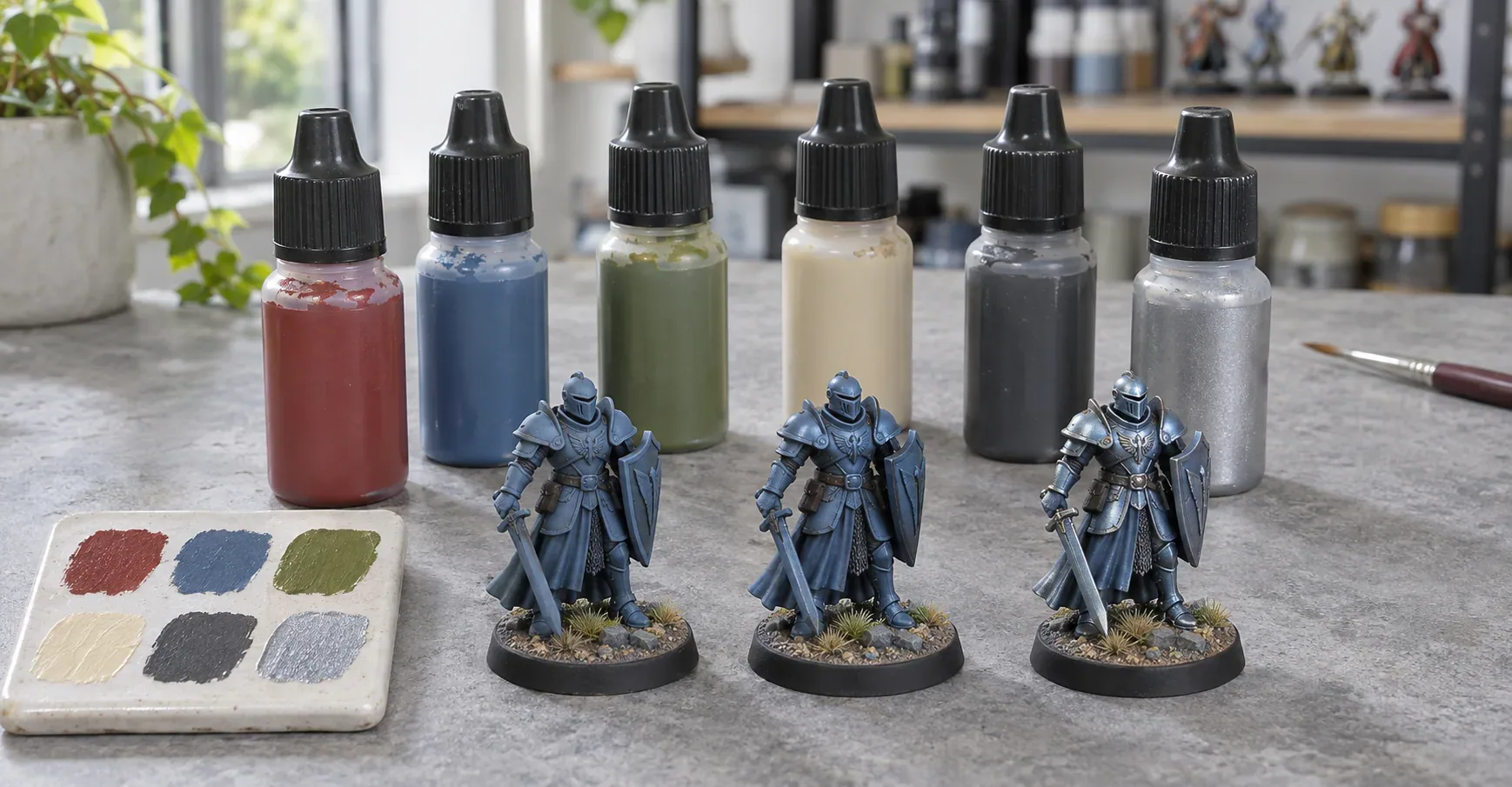
Choosing miniature paints gets easier when you start with the models on your desk. A paint collection for armored soldiers may look different from one for fantasy characters, monsters, or model scenery.
You need useful colors, a suitable finish, and a price that makes sense for your projects. The available paints and hobby supplies provide a starting point, but bottle count alone should not decide your purchase.
What Should You Look for When Buying Miniature Paints?
Start with the colors included, the intended use, the bottle size, and the finish. Then check how those details fit your next few painting projects.
A useful collection should cover the surfaces you paint regularly. That might mean clothing colors, browns for leather, skin shades, and a few options for armor.
Golden Maple lists general color sets alongside skin-tone, metallic, and non-metallic metal collections. Those categories serve different purposes, so comparing them requires looking beyond the number of bottles.
The paint collections listed by purpose can help you identify a suitable starting category. A specialist set makes sense when its purpose matches something you actually paint.
Are Acrylic Paints a Sensible Starting Choice?
Acrylic paints for miniatures are a practical option for many hobby projects. Water-based versions can be thinned with water or a suitable acrylic medium, depending on the product and technique.
Still, two acrylic paints can behave differently. One may cover a base color quickly, while another works better in thin layers.
That difference matters when reading product descriptions. A paint designed to create transparent shadows should not be judged by the same expectations as an opaque base color.
The drawback of shopping by broad labels is that “acrylic” tells you little about coverage or finish. Clear descriptions and demonstrations are useful buying evidence.
Which Type of Paint Collection Fits Your Projects?
A miniature paint set should solve a painting need. Before comparing prices, it helps to separate general collections from sets built for a particular effect.
| Collection Type | Useful For | Main Buying Limitation |
|---|---|---|
| General color set | Starting a collection or painting varied subjects | Some included colors may go unused |
| Skin-tone set | Faces, hands, and figures with exposed skin | Does not replace a general palette |
| Metallic set | Reflective armor, weapons, and decorations | Finish may differ from surrounding matte colors |
| Non-metallic metal set | Painting the appearance of metal through shading | Requires deliberate highlight placement |
When Does a General Color Set Make Sense?
A general set can be convenient when you have few paints. It gives you several options without choosing every bottle separately.
However, a large selection is useful only if the colors suit your models. A package full of shades you rarely use can become an expensive storage project.
The general and specialty paint choices are easiest to compare against a short list of planned models. That keeps the decision tied to actual painting.
When Is a Specialty Set Worth Buying?
Miniature skin tone paints may be useful if you regularly paint faces and exposed skin. Their value depends on the range of tones included and how those colors fit your figures.
A specialized collection can simplify repeat work. Its drawback is limited usefulness if most of your models wear helmets and full armor.
The same logic applies to effect sets. A clear project gives a specialty purchase a reason to earn space on your desk.
Should You Choose Metallic or Non-Metallic Metal Colors?
Metallic miniature paints create a reflective appearance through the paint itself. They are useful when you want armor or weapons to catch the light.
Non-metallic metal paints support a different approach. You paint light and dark areas to suggest reflections rather than relying on a metallic finish.
A gold NMM product page, for example, describes six shades intended for highlights, middle tones, and shadows. Those colors provide a palette, but the painter still controls where the apparent reflections appear.
The metallic and NMM paint options therefore suit different working methods. For a first purchase, the technique you plan to practice matters as much as the color.
What Should You Check About Coverage and Finish?
Coverage describes how much of the underlying surface remains visible. Finish describes the surface appearance after the paint dries, such as matte or glossy.
Both affect your results. A paint that looks right in the bottle may look different over a dark primer or beside a reflective metallic color.
Product photos are helpful, but lighting and screen settings limit what you can judge. Demonstrations showing dried paint over a stated primer provide better context than an isolated bottle image.
Descriptions of paint formulas and intended techniques can help narrow the choice. Strong claims about smoothness or coverage still need practical evidence.
How Much Do Paint Collections Cost?
A dated price comparison gives you a useful budget reference without pretending prices stay fixed.
Golden Maple’s collection page displayed these US dollar prices when checked on November 12, 2026:
| Listed Collection | Contents | Displayed Price |
|---|---|---|
| General acrylic set | 18 × 20 ml | $24.99 |
| Game Color Series 1 | 16 × 20 ml | $25.99 |
| Face and skin-tone set | 10 × 20 ml | $24.99 |
| Gold NMM set | 6 × 20 ml | $23.99 |
| Metallic set | 10 × 20 ml | $26.99 |
Availability, promotions, shipping, and taxes can change your final total. These are listing prices, rather than permanent rates or performance rankings.
The displayed paint set prices help establish a spending range. The cheapest collection per bottle may still be poor value if half its colors remain untouched.
Is a Set Better Than Individual Bottles?
A set can make sense when its contents cover several gaps in your collection. It is convenient, and the included colors may suit a planned painting project.
Individual bottles are useful when you already own the basics. Replacing one frequently used brown is usually a simpler decision than buying another collection containing similar shades.
Before purchasing, compare the set’s contents with your existing paints. Duplicate colors can be handy for regular use, but accidental repeats do little for your budget.
Bottle volume also deserves attention. A larger amount is useful only when you expect to use it before storage or drying problems become an issue.
What Should Beginners Avoid When Choosing Paints?
Shopping for miniature paints for beginners can encourage buying a huge collection before painting a single model. A smaller, purposeful selection makes the learning process easier to manage.
Avoid assuming that extra colors will solve every painting problem. Thick application, poor lighting, or an unsuitable brush can affect results even with a carefully chosen paint.
Reviews are most useful when they describe the primer, application method, and number of coats. A star rating without those details provides limited help.
Also, keep brush painting and airbrushing requirements separate. A paint described as suitable for both may still need preparation for your equipment and technique.
Which Collection Suits Your Next Painting Project?
A general color set suits an empty paint rack, while a specialist collection makes sense for a clear gap. The right purchase covers the jobs you expect to do without stretching your budget.
Golden Maple may fit your shortlist if its listed colors, bottle sizes, and prices match those needs. You can compare the available collections with your next models, then choose paints with a clear purpose on your desk.