How to Compare Kolinsky Sable Miniature Brushes by Size and Price
Compare kolinsky sable miniature brushes by size, price, point, and care needs. Find practical buying tips to choose a brush that fits your painting style.
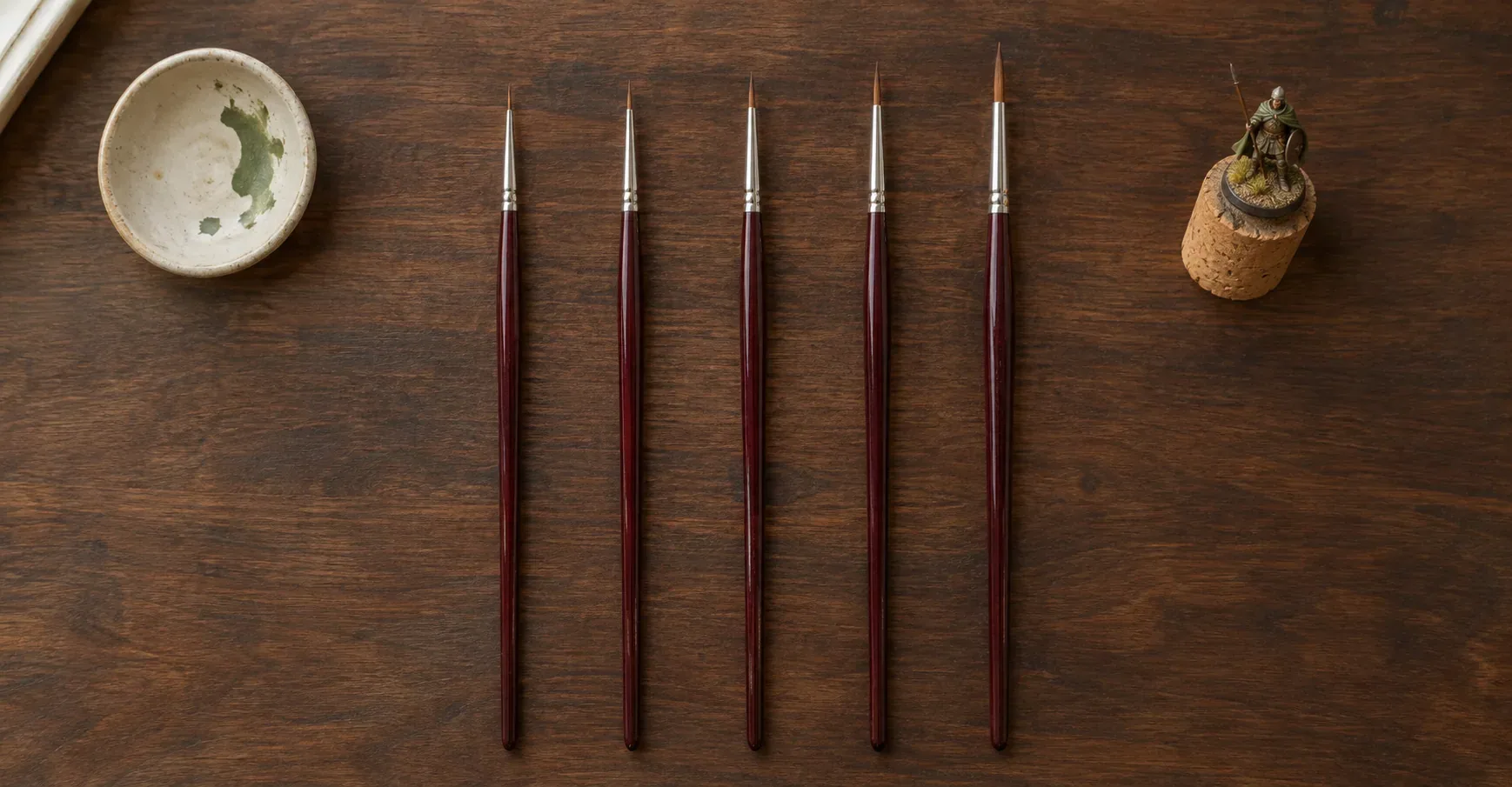
Buying kolinsky sable miniature brushes makes sense when you want to compare pointed natural-hair brushes for careful painting. The tricky part is deciding which size, shape, and price actually suit your projects.
An expensive brush cannot guarantee cleaner results. A useful purchase starts with a brush that holds a tidy point, feels comfortable, and fits your painting routine. The available brush styles and materials give you a starting place for that comparison.
What Should You Expect From Kolinsky Sable Miniature Brushes?
Kolinsky sable is a natural animal-hair brush material. Painters evaluating it usually focus on the point, paint capacity, and how the bristles return to shape after a stroke.
Those features can work together. A pointed head lets you place paint precisely, while the fuller section behind it holds paint for the next stroke.
For example, Winsor & Newton describes its Series 7 brushes as having a crisp point, spring, and controlled paint flow. Those are manufacturer descriptions of that range, rather than proof that every brush labeled Kolinsky performs identically.
Golden Maple lists Kolinsky options alongside nylon brushes. Its listed natural-hair brush choices can help you compare package contents and prices, though a product listing cannot establish how a brush will feel in your hand.
Are They Better Than Synthetic Brushes?
The useful question is which brush suits the job. Comparing sable vs synthetic brushes means looking beyond the material name.
For careful lines and small highlights, you may prefer the feel of a pointed sable brush. For rough texture work or everyday tasks, keeping separate synthetic tools can be a practical choice.
| Buying Factor | Kolinsky Sable | Synthetic |
|---|---|---|
| Material preference | Natural animal hair | Manufactured fibers |
| Detail work | Judge the point and response of the individual brush | Judge the point and response of the individual brush |
| Budget | Compare actual prices and useful sizes | Compare actual prices and useful sizes |
| Care | Requires prompt rinsing and careful cleaning | Also needs regular cleaning |
| First purchase | One brush can help you assess the material | Can provide a starting setup without buying sable |
You do not need to replace every brush you own. Keeping familiar tools while trying one sable round makes it easier to judge any difference.
The detail brushes listed by material help organize a shortlist. The final choice should reflect your projects and preferences.
Which Features Deserve Your Attention?
When comparing kolinsky sable brushes for miniature painting, three features deserve a close look: the point, the head shape, and the handle.
Does the Point Stay Together?
A tidy point matters when painting eyes, trim, and narrow highlights. A brush that separates into several tips can make paint placement frustrating.
A dry product photo tells only part of the story. Reviews describing how a brush behaves when damp and loaded with paint provide useful context.
Does the Head Hold Enough Paint?
A very small brush may reach a tiny area but require frequent reloading. A fuller pointed round may let you paint small marks while carrying a useful amount of paint.
Bristle length affects the feel too. Your preference may change with the task, so buying several nearly identical tiny brushes is not always helpful.
Does the Handle Feel Comfortable?
Handle thickness and shape affect how comfortably you hold the brush. Decorative finishes cannot tell you how your grip will feel after a long session.
The handle shapes shown in brush listings are worth checking alongside the bristles. A familiar, comfortable grip is a sensible buying priority.
Which Brush Sizes Should You Buy First?
Miniature paint brush sizes are useful starting labels, but head width, length, and point shape deserve attention too. Avoid assuming that a smaller printed number automatically means better detail control.
A size 1 or 2 pointed round can be a reasonable starting candidate for general painting. A smaller round may suit tiny markings, depending on the actual dimensions and your preferred handling.
For your first purchase, a simple plan works well:
- One pointed round for regular painting and controlled highlights.
- One smaller brush if your projects regularly need tiny markings.
- Existing brushes for rough jobs and broad coverage.
Specialized miniature detail brushes earn their place when they solve a task your current tools struggle with. Buying around a specific model helps prevent guesswork.
Should You Buy One Brush or a Set?
One brush is a sensible way to try a material you have never used. It keeps the decision manageable and gives you a direct comparison with a familiar tool.
A kolinsky sable brush set can suit you if several included sizes match your regular painting tasks. It may also simplify shopping when you need a complete replacement kit.
The drawback is paying for sizes you rarely use. Package extras can distract from that problem, especially when a case or gift box looks attractive.
The brush sets and included accessories are easiest to assess when each brush has a planned job. An unused brush adds little value, regardless of the package discount.
How Much Should You Expect to Pay?
Actual listings give a better budget reference than a blanket price claim. Materials, sizes, accessories, and package contents can differ substantially.
Golden Maple’s homepage displayed these US dollar prices when checked on November 12, 2026:
| Listed Package | Displayed Price |
|---|---|
| Five-piece arrow-shaped Kolinsky sable brush set | $49.99 |
| Six-brush package with sable detail brushes, drybrushes, cleaner, and a wooden gift box | $65.99 |
These are displayed prices from that date. Availability, selected options, shipping, and taxes can affect the final total.
Price per piece cannot tell you which package paints better. The six-brush package includes different brush types and accessories, so it is not a direct comparison of six sable brushes against five.
The displayed brush package prices help establish your spending range. Useful sizes and the final checkout total should drive the decision.
Can You Use Sable Brushes With Acrylic Paint?
Yes, with careful cleaning. Redgrass publishes Kolinsky brush care guidance specifically for acrylic painting, including regular rinsing and preventing paint from drying on the brush.
That care requirement belongs in your purchase decision. If brushes regularly sit unattended while you paint, building a cleaning habit first may save frustration.
A sensible division of work also helps. Your pointed sable brush can handle controlled strokes while an older brush takes rough texture jobs.
How Should You Clean and Check Them?
Learning how to clean kolinsky sable brushes is part of owning them. Redgrass recommends rinsing away paint, cleaning gently with an appropriate soap, and reshaping the tip before air drying.
Its guidance also says to avoid leaving brushes standing in water. Paint should not be allowed to dry on the bristles during use.
When a new brush arrives, check the handle, metal sleeve, and head before painting. Loose construction or obvious damage is easier to address before the brush enters regular use.
Keep the seller’s return terms handy. A clear process for handling a damaged item is a useful part of the purchase.
Are These Brushes Right for Your Painting Desk?
Kolinsky sable brushes may suit you if controlled detail work is a regular part of your hobby and careful cleaning fits your routine. One useful round is enough to start assessing the material.
Golden Maple may belong on your shortlist if its listed sizes and prices fit those needs. You can compare the available brushes with your next project, then choose a brush with a clear job and a comfortable price.