Humulin N NPH Insulin: Basal Coverage Guide
Discover how Humulin N NPH insulin delivers 12-18 hours of steady glucose control. Learn about dosing, administration, cost, and whether this trusted intermediate-acting insulin fits your diabetes management plan.
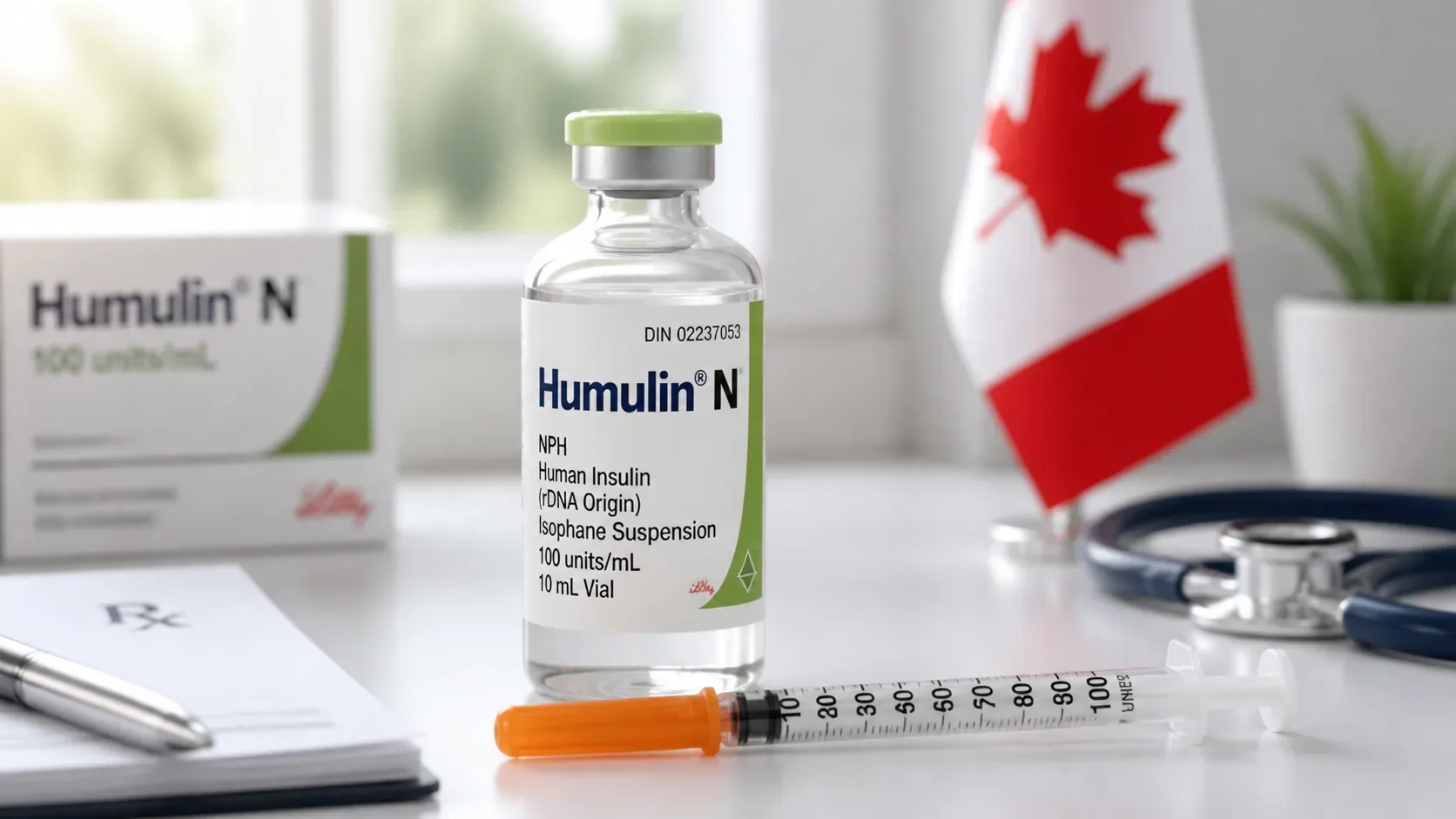
Nearly 2.9 million Canadians live with diabetes, and managing blood sugar effectively requires reliable treatment options. Insulin therapy has transformed diabetes care, allowing people to maintain healthy glucose levels and reduce long-term complications. Humulin N NPH insulin has been a cornerstone of diabetes treatment for decades, providing basal glucose control that lasts 12 to 18 hours and remains one of the most widely prescribed intermediate-acting insulins available today.
Whether you're newly diagnosed and starting insulin therapy or adjusting your current regimen, understanding how Humulin N fits into your overall treatment plan matters significantly. This insulin delivers steady background coverage that keeps blood sugar stable between meals and overnight—a critical piece of diabetes management that many people overlook when focusing only on mealtime insulin doses.
Understanding NPH Insulin and How Humulin N Delivers Basal Coverage
What NPH (isophane) Insulin Is and How It Differs From Other Insulin Types
NPH stands for neutral protamine Hagedorn, an intermediate-acting insulin that works differently than rapid-acting and long-acting alternatives. Rapid-acting insulins like Humalog or NovoLog work within 10-15 minutes and peak in about an hour, making them ideal for mealtime coverage. Long-acting insulins such as Lantus or Levemir provide steady coverage for 24 hours or more with minimal peaks. Humulin N occupies the middle ground—it takes longer to start working than rapid-acting types but doesn't last as long as basal insulins designed for full-day coverage.
The NPH formulation suspends insulin particles in a cloudy solution, which is why it requires gentle rolling or shaking before each injection. This suspension mechanism is what creates the intermediate duration and predictable timing pattern patients have relied on for generations.
The Mechanism of Action: How Humulin N Suspends in Your Body to Provide Steady Glucose Control
When you inject Humulin N, the insulin particles absorb slowly into your bloodstream over several hours. This gradual absorption creates a plateau of insulin activity rather than a sharp peak, allowing your body to maintain steady glucose control without dramatic fluctuations. The NPH suspension slows insulin absorption compared to regular human insulin, which is why it can provide coverage for 12 to 18 hours depending on your individual metabolism, injection site, and activity level.
Your body uses this steady insulin supply to facilitate glucose uptake into muscle and fat cells while suppressing liver glucose production. This continuous action prevents blood sugar from rising between meals and during sleep, addressing the basal insulin needs that oral medications often cannot meet adequately.
Typical Onset, Peak, and Duration Timeline
Humulin N typically begins working within 1 to 2 hours after injection, reaches its peak effect between 4 and 12 hours (with significant individual variation), and continues providing coverage for 12 to 18 hours total. This timeline makes Humulin N suitable for twice-daily dosing schedules—one injection in the morning and another in the evening—that align with many people's daily routines.
Your personal timeline may vary based on factors like injection site, skin temperature, physical activity, and individual insulin sensitivity. Understanding your own pattern by tracking blood glucose readings helps you and your healthcare team optimize timing for meals and other insulin doses.
Why Basal Insulin Coverage Is Essential for Maintaining Stable Blood Sugar
Basal insulin forms the foundation of diabetes management, providing the background coverage your body needs when you're not eating. Without adequate basal insulin, blood sugar rises overnight, fasting glucose levels become elevated, and your body struggles to maintain stable glucose between meals. Humulin N addresses this need by providing predictable, long-lasting coverage that keeps glucose stable during these critical periods.
This basal coverage becomes especially important for people with Type 1 diabetes, who produce little to no insulin naturally, and for people with Type 2 diabetes whose pancreatic function has declined significantly. Combining basal insulin with rapid-acting insulin at meals creates a flexible regimen that mimics how a healthy pancreas would respond to food and bodily needs.
Formulations and Delivery Options Available Through Canadian Insulin
Humulin N Vials: Multi-Dose Containers, Storage Requirements, and Cost Considerations
Humulin N comes in multi-dose vials containing 10 milliliters of insulin at U-100 strength (100 units per milliliter). A single vial typically contains 1,000 units total and can be used for multiple injections over several weeks. Vials require refrigeration before first use, usually stored at 2 to 8 degrees Celsius. Once opened, a vial can remain at room temperature (up to 25 degrees Celsius) for approximately 28 days, making this option practical for people who inject multiple times daily.
Vials typically cost less per unit of insulin compared to prefilled pens, making them an economical choice for patients concerned about medication expenses. However, this option requires drawing insulin into a syringe, which demands some manual dexterity and comfort with needle handling.
Prefilled Pens: Convenience Factor, Ease of Use for Patients With Vision or Dexterity Challenges
Prefilled pens contain a single dose of Humulin N ready for injection, eliminating the need to draw insulin from a vial. Many patients find pens easier to use, particularly those with vision impairment, arthritis, or other conditions affecting dexterity. Pens are also more discreet for injections away from home, and the integrated needle mechanism simplifies the injection process.
The convenience factor makes pens especially valuable for older adults, people managing multiple health conditions, and those who travel frequently. Though pens typically cost more per unit than vials, the ease of use often justifies the additional expense for many patients.
U-100 Strength Specifications and What This Measurement Means for Dosing Accuracy
U-100 indicates that each milliliter of Humulin N contains 100 units of insulin. This standardized concentration allows for consistent, accurate dosing across vials and pens. Syringes and insulin pens are calibrated specifically for U-100 insulin, ensuring that when you dial or draw up 10 units, you're actually receiving exactly 10 units of medication.
Using the correct syringe and pen designed for U-100 insulin is crucial—mixing U-100 insulin with syringes or devices calibrated for different concentrations can lead to dangerous dosing errors. Always verify that your equipment matches your insulin strength before each injection.
Refrigeration Requirements Before First Use and Room-Temperature Storage Guidelines
Unopened Humulin N vials and pens should be stored in the refrigerator at 2 to 8 degrees Celsius. Cold storage preserves insulin integrity and maintains its potency for the full shelf life listed on the packaging. Never freeze insulin, as freezing damages the protein structure and renders it ineffective.
Once you open a vial or begin using a prefilled pen, you can store it at room temperature (up to 25 degrees Celsius) for up to 28 days. Write the opening date on your vial or pen so you know when to discard it. If insulin is exposed to temperatures above 25 degrees Celsius or has been frozen, discard it immediately rather than risk reduced effectiveness.
Dosing, Administration, and Timing Strategies
Initial Dosing Considerations Based on Individual Insulin Sensitivity and Current Blood Sugar Patterns
Starting Humulin N requires careful assessment of your insulin sensitivity, current blood glucose patterns, and overall diabetes management goals. Your healthcare team typically calculates basal insulin requirements based on your body weight, existing blood sugar control, and how you respond to insulin. For Type 1 diabetes, basal insulin usually accounts for about 40 to 50 percent of your total daily insulin dose.
Initial doses are conservative—typically starting at 0.1 to 0.2 units per kilogram of body weight per day—because too much basal insulin from the start can cause dangerous low blood sugar episodes. Your doctor adjusts the dose gradually based on fasting blood glucose readings and overnight glucose patterns captured through testing or continuous glucose monitoring.
How to Calculate Basal Insulin Requirements as Part of a Comprehensive Diabetes Management Plan
Calculating your basal insulin needs involves reviewing your blood glucose patterns when you haven't eaten for several hours. Ideally, your fasting blood glucose should be within your target range (typically 80-130 mg/dL for most adults). If fasting glucose is consistently elevated despite adequate meal-time insulin, you need more basal coverage. If you frequently experience low blood sugar in the early morning hours or between meals, you need less.
Your diabetes care team may use formulas, continuous glucose monitor data, or simple trial-and-adjustment methods to find your optimal basal insulin dose. This is a personalized process because factors like stress, illness, menstrual cycles, and physical activity affect your insulin requirements significantly.
Injection Technique: Proper Site Rotation, Needle Depth, and Injection Timing
Humulin N injections go subcutaneously (just under the skin) into fatty tissue—typically the abdomen, thighs, upper arms, or buttocks. Rotating injection sites prevents lipohypertrophy (thickened fatty deposits) and ensures consistent insulin absorption. A systematic rotation pattern—such as moving around your abdomen like a clock face, then switching to another body area after completing the circle—keeps absorption predictable.
Use a 4 to 6 millimeter needle (28 to 31 gauge) inserted at a 90-degree angle into the skin. Pinching skin slightly during injection helps ensure the needle reaches subcutaneous tissue rather than going too shallow. Leave the needle in place for several seconds after pressing the plunger to ensure full insulin delivery.
Timing matters less with Humulin N than with rapid-acting insulins, but consistently injecting at roughly the same times each day (typically morning and evening) helps maintain stable glucose patterns. Your healthcare provider will recommend specific times based on your schedule and blood glucose patterns.
Combining Humulin N With Rapid-Acting Insulins for Mealtime Coverage
Many people use Humulin N as their basal insulin while adding rapid-acting insulin (like Humalog or NovoLog) at meals for additional glucose control. This basal-bolus regimen gives you flexibility to eat different amounts at different times while maintaining steady glucose between meals. The rapid-acting insulin handles glucose spikes from food, while Humulin N provides the steady background coverage.
Some people use premixed insulins like Humulin 70/30 (which contains 70 percent NPH and 30 percent regular insulin) for simplified dosing. However, fixed-ratio mixtures offer less flexibility than separate basal and bolus insulins, so they work best for people with predictable eating patterns and less variable daily schedules.
Pricing, Accessibility, and Cost-Effectiveness in Canada
Typical Price Range for Humulin N Vials and Prefilled Pens Through Canadian Insulin
Humulin N pricing through Canadian Insulin typically falls in the moderate range compared to other branded insulin options. Vials generally cost less per unit than prefilled pens, with monthly supplies ranging from approximately $40 to $100 depending on your dose, form, and quantity ordered. Prefilled pens cost more per unit due to convenience packaging, usually ranging from $60 to $150 monthly for typical basal dosing.
Prices vary based on supply quantity, current promotions, and provincial factors. Buying larger quantities often reduces per-unit costs, making bulk purchasing economical for patients with reliable prescriptions and adequate storage space.
How Pricing Compares to Other Branded Intermediate-Acting and Basal Insulin Options
Humulin N occupies the middle ground in insulin pricing. It typically costs less than newer basal insulins like Lantus or Levemir but more than older regular human insulin. Some generic NPH insulin products may cost slightly less than Humulin N brand-name insulin, though availability varies by region and pharmacy.
Long-acting basal insulins often cost more monthly than Humulin N, particularly prefilled pen formulations. However, some patients find that the convenience and more predictable action of newer basal insulins justify the additional expense. Your cost comparison should weigh both unit price and your overall diabetes control outcomes.
Coverage Through Provincial Health Plans, Private Insurance, and Patient Assistance Programs
Coverage for Humulin N varies significantly across Canadian provinces. Most provincial drug formularies cover NPH insulin for patients with Type 1 diabetes and for Type 2 diabetes patients who cannot achieve adequate control with oral medications. Coverage often requires that you've tried or failed other treatment approaches first.
Private insurance plans through employers or individual policies typically cover Humulin N, though formulary status and copayment amounts vary. Some plans prefer generic NPH over the brand-name Humulin, which may reduce your out-of-pocket costs. Patient assistance programs through Eli Lilly (Humulin's manufacturer) provide free or discounted insulin to uninsured or underinsured patients meeting income criteria.
Long-Term Affordability for Patients on Fixed Incomes or Without Comprehensive Coverage
Affordability becomes critical for people managing diabetes on limited budgets. Humulin N's moderate pricing compared to newer insulin options makes it accessible for cost-conscious patients. Additionally, NPH insulin has been available for decades, creating a competitive market with some generic and biosimilar options that may cost less than brand-name Humulin N.
Patients without comprehensive coverage should explore provincial assistance programs, charity organizations focused on diabetes care, and pharmaceutical patient assistance programs. Some online pharmacies and discount programs can reduce costs further, though patients should verify credentials and legitimacy before purchasing insulin through online channels.
Clinical Advantages That Make Humulin N a Trusted Choice
Decades of Clinical Evidence Supporting Safety and Efficacy in Diverse Patient Populations
Humulin N has been used clinically for over 30 years, accumulating extensive safety and efficacy data across millions of patients worldwide. This long track record means healthcare providers understand how the insulin performs, which populations benefit most, and how to manage potential side effects effectively. Large clinical trials and real-world outcome data consistently demonstrate that NPH insulin effectively reduces HbA1c (long-term glucose control marker) and prevents diabetes complications.
The depth of clinical experience with Humulin N also means that rare or unusual adverse effects have been identified and documented, allowing your healthcare team to anticipate and manage potential problems more effectively than with newer insulin types still accumulating long-term safety data.
Broad Prescriber Familiarity and Established Dosing Protocols
Your doctor, endocrinologist, or diabetes nurse educator has extensive experience with Humulin N dosing. They know how to calculate starting doses, make adjustments based on blood glucose patterns, and combine it with other insulins effectively. This familiarity translates to more confident prescribing and better support when you need dose adjustments.
Established protocols exist for managing Humulin N in various clinical situations—sick days, surgery, pregnancy, kidney disease, and other conditions affecting diabetes management. Your healthcare team can draw on decades of collective experience rather than experimenting with newer insulin types that have less clinical guidance for complex situations.
Suitability for Combination Regimens With Rapid-Acting Insulins and Other Diabetes Medications
Humulin N combines effectively with rapid-acting insulins, allowing flexible basal-bolus therapy that accommodates varied meal sizes and timing. It also combines well with oral diabetes medications like metformin, SGLT2 inhibitors, and GLP-1 agonists for patients whose pancreases still produce some insulin or who benefit from medication synergy.
The predictable action profile of Humulin N makes it easier to add other medications without causing unpredictable interactions. You can confidently combine it with most diabetes treatments, giving your healthcare team flexibility in designing a regimen tailored to your specific needs and other health conditions.
Predictable Action Profile That Simplifies Dose Adjustments and Meal Planning
Unlike some newer insulin types with complex absorption patterns, Humulin N follows a straightforward onset, peak, and duration timeline that becomes predictable once you understand your individual response. This predictability allows you to time meals and snacks effectively around your insulin peak, reducing the guesswork inherent in diabetes management.
Dose adjustments also become more straightforward. When blood glucose patterns change, your healthcare team can confidently adjust your Humulin N dose knowing how that change will likely affect glucose control. This predictability reduces anxiety and uncertainty compared to newer insulins with variable absorption patterns.
Important Risks and Side Effects to Monitor
Hypoglycemia Risk: Recognizing Symptoms and Emergency Response Protocols
Hypoglycemia (low blood sugar) is the most significant risk with Humulin N, particularly because its 4 to 12-hour peak period is when insulin action is strongest. Symptoms develop relatively quickly—trembling, sweating, rapid heartbeat, anxiety, dizziness, and difficulty concentrating typically appear when blood glucose drops below 70 mg/dL. Severe hypoglycemia can cause seizures or loss of consciousness if not treated promptly.
Always carry fast-acting carbohydrates (glucose tablets, juice, regular soda) with you. Teach family members and close contacts how to recognize low blood sugar and help you treat it. Consider using a continuous glucose monitor that alerts you to low blood glucose before symptoms become severe. Discuss emergency glucagon kits with your healthcare provider and ensure caregivers know how to use them.
Weight Gain Potential and Metabolic Considerations During Long-Term Therapy
Some patients gain weight while using Humulin N, a concern that can complicate diabetes management since weight gain typically worsens insulin resistance in Type 2 diabetes. Weight gain occurs because insulin promotes glucose and amino acid storage in cells, and patients sometimes overeat in response to hypoglycemia symptoms.
Managing weight during insulin therapy requires attention to diet and physical activity. Work with a registered dietitian to develop eating strategies that prevent overeating while accommodating your insulin timing. Regular physical activity improves insulin sensitivity and can offset insulin-induced weight gain in many patients.
Injection Site Reactions, Lipohypertrophy, and Proper Injection Site Rotation
Local reactions at injection sites—redness, swelling, warmth, or pain—occur occasionally with Humulin N. These reactions usually resolve within days but can indicate an allergy if they persist or worsen. More common is lipohypertrophy, thickened fatty tissue that develops from repeatedly injecting in the same spots.
Lipohypertrophy creates unpredictable insulin absorption, potentially causing erratic blood glucose patterns even when your dose hasn't changed. Prevent it through systematic site rotation, using a different area (abdomen, thigh, arm, buttock) at each injection. Within each area, rotate sites methodically so you don't reinject in the same spot for at least 4 to 6 weeks.
Allergic Reactions and Hypersensitivity (Rare but Possible)
True insulin allergies are rare with modern human insulin formulations like Humulin N, but hypersensitivity reactions can occur. Symptoms range from mild (localized itching or rash at the injection site) to severe (anaphylaxis with difficulty breathing, swelling of lips or throat, widespread rash). Immediate allergic reactions typically develop within minutes to hours of injection.
Report any unusual reactions to your healthcare provider immediately. Some patients with mild reactions can continue using Humulin N with additional precautions or pretreatment strategies. More severe reactions require switching to a different insulin formulation. If you develop signs of anaphylaxis, use an epinephrine auto-injector if available and seek emergency medical care immediately.
Who Benefits Most From Humulin N NPH Insulin
Type 1 Diabetes Patients Requiring Basal-Bolus Insulin Regimens
Type 1 diabetes patients require insulin for survival because their pancreas produces little to no insulin naturally. Humulin N provides excellent basal coverage for this population, especially when combined with rapid-acting insulin at meals. The predictable action profile and decades of clinical data make it an ideal first-line basal insulin for newly diagnosed Type 1 patients.
Many Type 1 diabetes patients continue using Humulin N despite access to newer basal insulins because it works reliably for them and costs less. The twice-daily injection schedule suits those comfortable with structured routines and willing to coordinate meals with insulin timing.
Type 2 Diabetes Patients Inadequately Controlled With Oral Medications Alone
Some Type 2 diabetes patients experience progressive loss of insulin-producing capacity despite taking multiple oral medications. When oral drugs can no longer maintain adequate glucose control, adding basal insulin like Humulin N often achieves target glucose levels without requiring rapid-acting insulin at every meal. This simpler regimen appeals to patients hesitant about starting insulin or struggling with medication complexity.
Humulin N works particularly well for Type 2 patients with fasting hyperglycemia (high morning blood sugar) despite taking long-acting oral medications. A single evening injection of Humulin N often normalizes fasting glucose while allowing continued use of daytime oral medications.
Patients Seeking Moderate-Cost Insulin Options Without Compromising Efficacy
Patients concerned about medication costs find Humulin N attractive because it balances efficacy with affordability. Unlike newer basal insulins, Humulin N typically costs 30 to 50 percent less monthly while delivering comparable glucose control for many patients. This makes it an excellent choice for uninsured or underinsured patients and those on fixed incomes.
The moderate pricing doesn't mean reduced effectiveness—decades of use prove that Humulin N effectively prevents diabetes complications when used appropriately. Cost-conscious patients can achieve excellent glucose control without financial hardship.
Those Comfortable With Twice-Daily Injections and Meal-Timing Coordination
Humulin N requires discipline regarding timing and meal coordination. Patients must inject consistently at roughly the same times each day and coordinate meals reasonably well with their insulin peak. Those who manage a structured daily schedule, eat at relatively predictable times, and don't mind planning around their insulin regimen thrive with Humulin N.
Conversely, patients with highly variable schedules, frequent travel across time zones, or who want complete flexibility with meal timing may struggle with Humulin N's timing requirements. Newer basal insulins designed for once-daily dosing or long-acting formulations might better suit unpredictable lifestyles.
Practical Tips for Optimizing Your Humulin N Therapy
Creating a Consistent Injection Schedule That Fits Your Lifestyle
Success with Humulin N depends on consistency. Choose injection times that align with your natural daily routine—many people inject at breakfast and dinner, or before breakfast and bedtime. Once you establish your schedule, stick to it as closely as possible because irregular timing can cause inconsistent glucose patterns.
If your schedule varies significantly (shift work, travel), discuss timing adjustments with your healthcare provider before making changes. Small time shifts (30-60 minutes) are usually fine, but major changes might require dose adjustments to maintain stable glucose control.
Keeping a Blood Glucose Log to Identify Patterns and Optimize Dosing
Systematic blood glucose monitoring reveals patterns that guide dose adjustments. Test your fasting glucose before breakfast to assess overnight control from your evening Humulin N dose. Test before lunch to see how your morning dose and breakfast affected your glucose. Continue testing throughout the day to build a complete picture.
Modern continuous glucose monitors automatically track patterns and identify trends that fingerstick testing alone might miss. Whether using fingersticks or CGM data, share your logs with your healthcare team at regular appointments. Patterns emerge after 2 to 4 weeks of consistent monitoring, allowing confident dose adjustments.
Coordinating Meals and Snacks With Your NPH Insulin Timing for Stable Blood Sugar
Eating meals around your Humulin N peak helps maintain stable glucose. If your insulin peaks around midday, eating lunch at that time provides carbohydrates when your insulin action is strongest. Eating too early or too late relative to your peak can cause either low blood sugar or rising glucose that rapid-acting insulin alone can't cover adequately.
Consistency in meal timing, carbohydrate portions, and snacking patterns helps you develop the insulin rhythm your body needs. Erratic eating patterns make it difficult to predict how Humulin N will affect your glucose, increasing hypoglycemia risk and complicating dose optimization.
Communicating With Your Diabetes Care Team About Effectiveness and Side Effects
Regular communication with your healthcare provider ensures your Humulin N regimen stays optimized as your needs change. Report side effects, hypoglycemia frequency, fasting glucose patterns, and any life changes (new job, diet modifications, increased exercise) that might affect insulin requirements.
Don't hesitate to ask questions or voice concerns about your treatment. Your healthcare team wants you to succeed with therapy and can offer strategies for managing side effects, improving glucose control, or modifying your regimen if Humulin N isn't working well for you. Honest communication enables better decision-making about your diabetes management.
Moving Forward With Confidence: Making Your Humulin N Decision
Humulin N NPH insulin remains a cornerstone of diabetes management for compelling reasons. It delivers reliable, predictable basal coverage that has helped millions manage their blood sugar effectively over three decades of clinical use. The 12 to 18-hour duration provides steady glucose control between meals and overnight, the moderate pricing makes it accessible across different financial situations, and its proven track record means your healthcare team knows exactly how to optimize your therapy for your individual needs.
That said, Humulin N isn't a one-size-fits-all solution. Hypoglycemia risks require vigilance and education, meal timing coordination demands structure and planning, and potential weight gain necessitates careful attention to diet and activity. These factors matter and deserve serious consideration as you decide whether Humulin N aligns with your lifestyle and health goals.
The decision to use Humulin N should emerge from honest conversations with your diabetes care team. Review your current blood glucose patterns, discuss your daily schedule and eating habits, and explore how Humulin N might fit into a comprehensive diabetes management plan tailored specifically to you. Your endocrinologist or diabetes educator can compare Humulin N to alternative basal insulins, assess your individual insulin sensitivity, and help you weigh the benefits against potential drawbacks.