HTVRONT Auto Heat Press: Sublimation & Heat Transfer
Discover how the HTVRONT Auto Heat Press Machine automates your heat transfer workflow with consistent results. Perfect for sublimation, vinyl transfers, and small business production. Learn specs, features, and real-world applications.
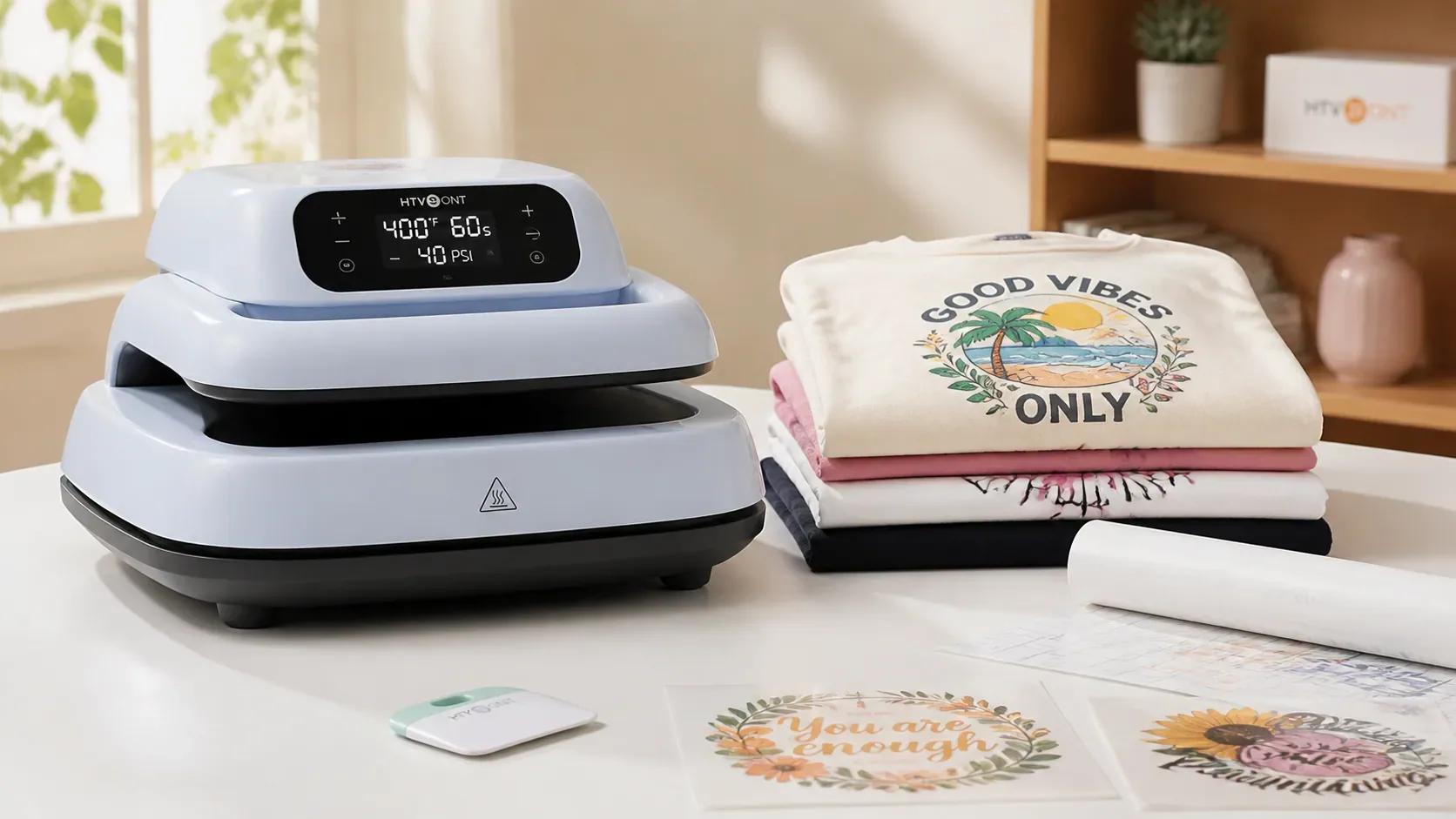
How Automatic Pressure Technology Transforms Your Heat Transfer Workflow
Manual heat pressing drains hours from your week. You're adjusting pressure dials by feel, guessing at timing, and hoping transfers come out even. The HTVRONT Auto Heat Press Machine eliminates that friction entirely through automatic pressure adjustment that responds to material type in real time.
The core advantage sits in consistency. Auto-adjusting pressure removes operator guesswork and delivers uniform force across the entire platen—every single press. This precision alone cuts failed transfers and wasted material significantly. Beginners achieve professional-quality results without the learning curve, while experienced users reclaim mental bandwidth for design and business decisions.
Production speed accelerates dramatically. With automation handling pressure calibration, you skip the trial-and-error phase entirely. High-volume runs that once required constant monitoring now run hands-free, letting you manage multiple tasks or focus on order fulfillment.
Operator fatigue drops substantially. Repetitive strain from manual clamping and pressure adjustment diminishes when the machine handles these functions automatically. During intense production days, your body stays fresher and your output stays consistent.
Discover the HTVRONT Auto Heat Press Machine and transform your heat transfer workflow today.
Sublimation & Heat Transfer Vinyl: Which Projects Shine on This Machine?
Apparel & Wearables
Polyester sublimation shines on this machine. T-shirts, hoodies, and performance wear transfer with vibrant color retention and durability. Heat transfer vinyl applications work equally well on cotton and blended fabrics, giving you flexibility across material types.
Larger Craft Items
The spacious platen handles oversized projects comfortably. Tote bags, canvas products, and banner-sized designs that would strain a mini press work smoothly here. Mug wraps and cylindrical item transfers become possible with optional attachments.
Business & Production Use Cases
Print-on-demand entrepreneurs scale without hiring additional staff. Etsy sellers process personalized merchandise orders faster, improving customer satisfaction and repeat business. Corporate gift customization businesses handle bulk orders efficiently. Small teams leverage automation to compete with larger manufacturers by handling volume that manual pressing couldn't sustain.
Sportswear and athletic gear requiring durable, vibrant transfers benefit from the consistent heat and pressure application. Mixed-material projects combining vinyl and sublimation in single designs come together seamlessly.
Production batches where repeatability matters most—whether that's niche market demand from sports teams, events, or nonprofits—all achieve the consistency this machine delivers.
Explore how the HTVRONT Auto Heat Press Machine handles your specific project types.
Desktop Specifications & Performance Metrics You Should Know
The HTVRONT operates within practical dimensions suited for studio and small business environments. The platen size accommodates standard apparel and oversized craft projects without taking over your entire workspace.
Temperature range covers various material requirements, with heating speed calibrated for quick turnaround without sacrificing transfer quality. Pressure settings typically include auto-adjustable functionality with manual override options when you need direct control.
Cycle time per press determines your hourly production capacity. Knowing these numbers helps calculate whether the machine meets your throughput targets. Power requirements fit standard workshop electrical setups—no special infrastructure needed in most cases.
Build quality reflects mid-range commercial equipment standards. Materials and construction durability support regular business use without premature wear. Warranty coverage and manufacturer support options provide peace of mind for long-term operation.
Pricing, Value Proposition & ROI for Craft Entrepreneurs
The mid-range price point ($250–$400) positions this machine between budget entry-level presses and professional-grade equipment. That pricing sweet spot captures buyers who want automation without enterprise-level cost.
Bundle options and promotional pricing appear throughout the year, often bundling accessories or complementary tools. Calculate your cost-per-press by dividing purchase price across your expected production volume. At 50 presses weekly, amortization happens quickly.
Time savings translate directly to revenue potential. Faster order fulfillment means handling more customer requests monthly. Material waste reduction lowers per-project costs, improving profit margins on existing orders.
Scaling from hobby to small business operations becomes realistic. The machine grows with your operation rather than becoming obsolete as demand increases. Financing and payment plan availability help budget-conscious buyers spread the investment across several months.
Compare total cost of ownership over three to five years against manual or lower-end alternatives. The HTVRONT's consistency and speed typically justify the premium within the first few months of active use.
Real-World Automation Benefits: Speed, Consistency & Less Physical Effort
Hands-free pressing reduces your direct involvement during each cycle. While the machine presses, you're loading the next item, reviewing designs, or handling customer communications. Multitasking becomes feasible again.
Consistent heat distribution eliminates the color fading or uneven transfer quality that manual pressing sometimes produces. Every transfer maintains brand consistency, crucial for repeat customers and professional reputation.
Faster cycle times allow substantially higher daily production output. Work sessions extend longer without fatigue accumulation. Your hands and shoulders thank you after eight hours of regular operation.
Repeatability across batches ensures customer satisfaction. When a client reorders, they receive identical quality to their first purchase. That consistency builds loyalty and word-of-mouth referrals.
New team members train faster. The lower learning curve means assistants or employees become productive quickly. Minimal instruction gets them pressing confidently within hours rather than days.
Mental energy shifts from technical operation to business growth. Without constant vigilance over pressure and timing, you think about marketing, design refinement, and customer acquisition instead.
Setting Up Your HTVRONT: Installation, Safety & Workspace Considerations
Unboxing reveals a substantial machine requiring modest assembly. Most models arrive with the platen and frame pre-assembled; you're mainly connecting the power supply and running initial diagnostics.
Electrical connection follows standard workshop protocols. Power supply specifications fit typical commercial circuits—verify your studio or workspace can accommodate the requirements before purchase.
Proper ventilation matters, particularly during extended use. Heat management in confined spaces requires either open airflow or supplemental cooling. Consider your room's existing ventilation before installation.
Safety features include auto-shutoff and cool-down cycles that prevent accidents. Heat guards protect hands during loading and unloading. Familiarize yourself with these before running production batches.
Platen maintenance and cleaning protocols determine machine longevity. Regular care prevents residue buildup that degrades transfer quality. Simple cleaning routines take minutes and extend equipment life by years.
Workspace layout optimization accommodates the larger footprint. Unlike compact mini presses, this machine needs breathing room. Heat-resistant surfaces around the press protect surrounding furniture and equipment.
Initial calibration and test runs dial in your material-specific settings. Run practice presses on scrap fabric before committing finished goods. This prevents wasted material during the setup phase.
Comparison: HTVRONT Auto Press vs. Manual Clamshell & Entry-Level Alternatives
Automation advantages over traditional manual clamshell designs appear immediately. Auto-adjustable pressure eliminates the pressure-guessing game entirely. Speed improvements are dramatic—automated machines complete cycles in a fraction of the time manual presses require.
Consistency improvements versus budget entry-level models justify the mid-range pricing. Cheap presses introduce variables: uneven heating, inconsistent pressure application, frequent recalibration. The HTVRONT's engineering reduces these problems substantially.
Footprint trade-offs exist. Compact mini presses fit tight spaces but limit project size. Full-size auto machines require more room but handle larger designs and batch production that mini presses struggle with.
Price-to-performance ratio favors the HTVRONT for serious users. Entry-level machines cost less but require manual operation and produce variable results. Professional-grade presses cost triple the price but target high-volume commercial operations.
Durability and longevity expectations reflect mid-range equipment standards. The HTVRONT outlasts budget alternatives by years, amortizing cost more favorably. Professional equipment offers marginal durability improvements that don't justify the price premium for most users.
Feature set and versatility handle diverse project types. Multiple temperature and pressure settings accommodate sublimation, vinyl, and hybrid projects. Cheaper machines often lock you into one application type.
User experience differs significantly. Manual clamshells demand physical exertion and constant attention. Entry-level machines simplify operation but sacrifice consistency. The HTVRONT balances ease of use with reliable results.
Ideal customer profiles vary. Manual clamshells suit hobbyists or one-off projects. Entry-level auto machines work for growing side hustles. The HTVRONT targets serious crafters and small business owners handling regular orders where consistency and speed matter.
Troubleshooting Common Issues & Maximizing Machine Longevity
Temperature calibration shifts slightly over time. Adjust settings seasonally and verify accuracy with test presses. Different material types require different temperature ranges—document your optimal settings for each project type.
Pressure settings need fine-tuning to prevent under- or over-pressing. Under-pressing produces weak transfers that peel away. Over-pressing damages fabrics or causes ink bleeding. Test on scrap material when adjusting.
Uneven heat distribution or hot spots occasionally develop. Regular platen cleaning removes residue that causes temperature inconsistency. If hot spots persist, contact manufacturer support—internal heating elements may need professional inspection.
Maintenance schedules prevent costly repairs. Clean the platen after every 20–30 presses. Inspect the drawer mechanism monthly for smooth operation. Check electrical connections quarterly.
Seasonal considerations matter. Humidity affects material behavior and pressing requirements. Cold months may require slightly higher temperatures than summer operation. Monitor performance as seasons change and adjust accordingly.
Upgrade paths exist through optional attachments. Mug press adapters, sublimation tape, and specialty fixtures expand machine capabilities without replacing the core press.
When problems exceed your troubleshooting skills, contact HTVRONT's support team. Professional diagnostics often resolve issues faster than trial-and-error attempts.
Real Success Stories: How Crafters & Small Businesses Use This Machine
Print-on-demand entrepreneurs report significant scaling without adding full-time staff. One seller increased monthly production from 100 to 400 units by switching from manual to automatic pressing. Order turnaround dropped from two weeks to three days.
Sublimation artists expanded product lines confidently. With consistent transfer quality guaranteed, they offer mug collections, apparel lines, and home décor items without quality concerns. Revenue nearly tripled within a year.
Etsy sellers noticed immediate improvements in customer satisfaction. Faster fulfillment meant orders shipped within 48 hours instead of a week. Five-star reviews and repeat customer rates climbed accordingly.
Corporate gift customization businesses handle bulk orders that manual pressing couldn't sustain. One business accepted a 500-piece custom apparel order that would have been impossible before automation. That single order covered the machine's cost.
Home-based crafters transitioned from hobby to profitable side hustle. What started as weekend projects became consistent monthly income when they could process orders efficiently.
Small teams leveraged automation to compete with larger manufacturers. Three-person operations matched the output and quality of companies with twice their staff, undercutting larger competitors on price while maintaining margins.
Niche market creators serving sports teams, events, and nonprofits finally met demand without stress. Uniform customization orders, event merchandise, and fundraiser items all became manageable.
Making Your Final Decision: Is This Machine Right for Your Operation?
Assess your current production volume honestly. If you're handling fewer than 10 presses weekly, automation's benefits might not justify the cost yet. At 20+ weekly presses, ROI becomes compelling.
Evaluate material types and project diversity in your workflow. If you work exclusively with sublimation, entry-level machines might suffice. The HTVRONT shines when you juggle multiple material types and need consistent results across all of them.
Calculate break-even point based on your pricing and order frequency. Document how long each manual press currently takes. Multiply that time saved across your weekly volume. That's your hourly productivity gain.
Consider available workspace and electrical infrastructure. Measure your studio. Verify power availability. If space is severely limited, a compact manual press might serve better despite automation's advantages.
Identify whether automation or manual control better suits your process. Some operations benefit from hands-on control over every variable. Most discover that automation frees them to focus on higher-value business tasks.
Review customer feedback and community testimonials from actual users. HTVRONT's popularity among serious crafters isn't random—owner satisfaction drives recommendations.
Explore trial periods or rental options before committing to purchase. Some retailers offer return windows or machine rental programs that let you test fit before buying.
Weigh long-term scalability against short-term budget constraints. The HTVRONT supports growth. When your operation doubles in volume, this machine grows with you rather than becoming your bottleneck.
Your Path Forward: Automating Your Heat Press Operation
The HTVRONT Auto Heat Press Machine represents a significant leap forward for anyone serious about scaling their sublimation or heat transfer business. It's not just a tool—it's a productivity multiplier that reclaims your time, eliminates inconsistency, and lets you focus on what actually grows your revenue.
Whether you're running a one-person operation out of your garage or managing a small team, the automatic pressure technology and spacious platen deliver results that justify the mid-range investment. If you're already handling regular orders, dealing with manual pressing fatigue, or watching quality slip during high-volume runs, this is where your operation levels up.
Start by calculating your current production costs and time investment. Document how many hours weekly you spend on manual pressing. Multiply that against your hourly labor value. Compare those costs against the HTVRONT's price and energy expenses. The math typically reveals rapid ROI.
Check out real user reviews from established platforms and crafting communities. These voices carry more weight than marketing claims. Actual users describe their workflow improvements, specific projects they handle, and whether the machine met their expectations.
Explore available bundle options for better pricing. Promotional periods offer accessories—sublimation tape, heat-resistant mats, or practice materials—that reduce your first-project costs.
Reach out to HTVRONT's support team with specific questions about your workflow. Describe your typical projects, production volume, and material types. Their guidance helps confirm whether this machine aligns with your operation or whether a different model serves you better.
The transition from manual to automatic pressing marks a turning point for crafters and small business owners. That transition happens when you stop accepting production limitations and invest in tools that match your ambition. The HTVRONT makes that investment straightforward and financially sensible.
Start your heat press automation journey with the HTVRONT Auto Heat Press Machine now.