Heavy Metal Product Guide
Provide product details for SEO-optimized heavy metal content strategy
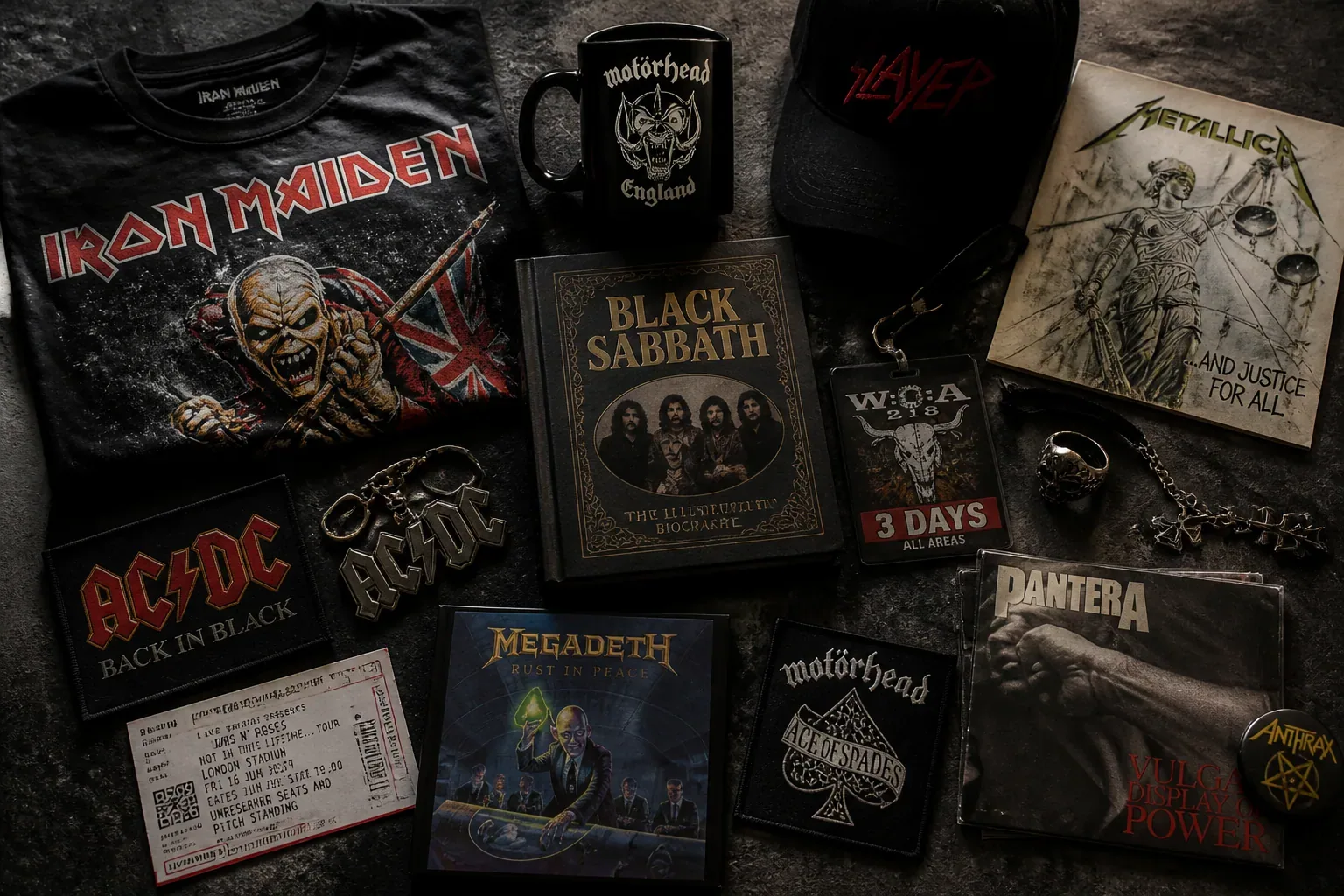
Article Output
There's a significant gap between having a product to promote and having the strategic information needed to create content that actually converts. Many marketers rush into article creation without understanding the foundational elements that separate mediocre content from high-performing pieces. The disconnect between effort and results often stems from incomplete product information and unclear positioning.
When you're working with niche products—especially in specialized markets like heavy metal merchandise—the stakes become even higher. Generic product descriptions and vague targeting won't cut it. Your audience demands specificity, authenticity, and content that speaks directly to their interests. Without these essentials, your promotional efforts will struggle to gain traction.
Explore heavy metal bestselling products now to see what's capturing attention.
Product Information Required
Specific product name and model needed
Creating compelling content starts with knowing exactly what you're promoting. A product name and model number might seem like basic details, but they're fundamental to SEO optimization and audience targeting. When you provide specific product identifiers, content becomes searchable and relevant. Generic descriptions cast too wide a net and resonate with no one in particular.
The heavy metal market has distinct product categories—from apparel and vinyl records to merchandise and collectibles. Each category requires a different approach to messaging and positioning. Understanding which specific product you're highlighting allows for keyword research that actually matches user intent rather than generating traffic that doesn't convert.
Brand and official website URL required
Brand credibility shapes how audiences perceive product recommendations. Different brands within the heavy metal space have different reputations, price points, and customer bases. A boutique independent label carries different weight than an established major retailer. These distinctions matter when you're crafting your content strategy.
The official website URL serves as your anchor point for fact-checking, pricing verification, and current product availability. It also provides insights into how the brand positions itself, their target demographic, and their unique value propositions. This information becomes the foundation for authentic, accurate content that builds trust with readers.
Content Strategy Details Needed
Unique angle for article differentiation missing
The heavy metal market is crowded with product reviews and recommendations. What sets your content apart? Are you focusing on value comparison, cultural significance, collector's appeal, or lifestyle integration? The angle determines everything—your word choice, examples, comparison points, and overall narrative.
Consider what makes your perspective valuable. Are you writing from an expert's standpoint? A collector's experience? A newcomer's first-time buyer perspective? A musician's professional view? Each angle attracts different readers and requires different content treatment.
Check out the latest heavy metal bestselling items to identify content angles.
Geographic or market focus not provided
Heavy metal fandom varies significantly by region. European markets have different preferences than North American audiences. Emerging metal scenes in Southeast Asia operate differently than established markets. Your geographic focus influences keyword selection, cultural references, pricing context, and audience expectations.
Market focus also determines competitive landscape analysis. What's popular in one region might be completely unknown in another. This geographic lens shapes your content's relevance and maximizes its impact with your intended audience.
Competitive positioning information absent
Where does this product sit in the competitive landscape? Is it a premium option, a budget-friendly alternative, a specialty item, or an industry standard? Competitive positioning influences how you frame benefits, discuss trade-offs, and address objections.
Understanding the competitive environment also reveals content gaps you can fill. What are competitors talking about? What are they missing? Where's the opportunity to provide unique value that justifies why readers should trust your recommendation?
Next Steps to Proceed
Proceeding forward requires specific, actionable information. You'll need to supply product names, model numbers, and official brand URLs. Clarify whether you're targeting longtime collectors, newcomers to the scene, or casual fans. Define your unique angle—what perspective will you bring that others haven't already covered extensively?
Geographic and market focus should be explicit. Are you targeting a specific country, region, or the global heavy metal community? This decision ripples through every aspect of content creation, from language nuances to cultural references to pricing context.
Ready to Proceed
Once you provide the necessary product details—including specific names, models, and brand information—the real work can begin. Target audience demographics must be clear: age ranges, experience levels, buying behavior, and primary interests all shape content strategy.
The unique article angle separates your content from thousands of similar pieces already online. Define what makes your perspective valuable and worth readers' attention. Finally, specify your geographic or market focus to ensure every element of the article resonates with your intended audience.
With these fundamentals in place, a fully optimized content strategy emerges naturally. Semantic keywords align with user intent. H2 sections address specific audience questions. Conversion-focused copy speaks directly to your readers' needs and motivations. The result isn't just another product article—it's targeted, strategic content designed to perform.
Visit the heavy metal shop now to discover bestselling products and inspiration for your content.