Garvee Heavy Duty Electric Hoist Guide
Discover why the Garvee Heavy Duty Electric Hoist is the go-to choice for DIY enthusiasts and professionals. Learn about lifting capacity, features, pricing, and real-world applications in this comprehensive guide.
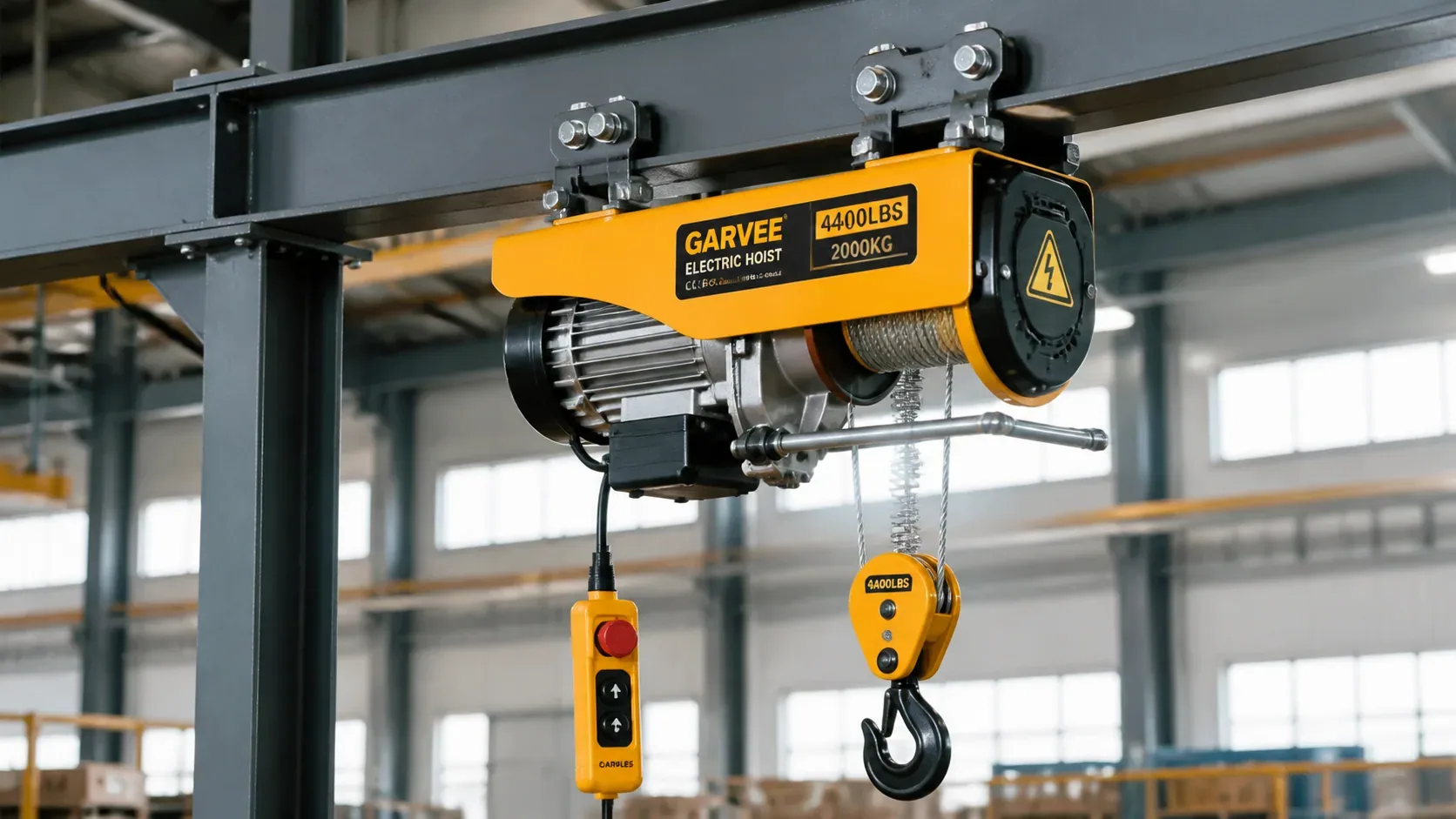
Lifting heavy equipment manually wastes hours and risks injury. The Garvee Heavy Duty Electric Hoist transforms how people approach lifting challenges across residential and commercial spaces. Garvee Innovation Inc. delivers practical industrial equipment without premium pricing.
This guide examines lifting capacity options, safety features, costs versus competitors, and real-world applications. You'll gain a comprehensive understanding of what makes this tool valuable and whether it fits your specific needs.
Explore the Garvee Heavy Duty Electric Hoist and find the perfect model for your workspace.
Understanding Garvee's Lifting Capacity Range and Performance Specifications
Capacity options available
Garvee manufactures models ranging from 440 lbs to 2200 lbs, ensuring you can match capacity to your actual lifting demands. Smaller models handle light-duty garage tasks, while higher-capacity versions tackle warehouse operations and heavy automotive work. This range means you're not overpaying for power you won't use or underbuying equipment that struggles with your typical loads.
Motor efficiency and power delivery
The electric motor design eliminates the exhaustion of manual lifting. Instead of relying on human strength, you control a reliable power source that reduces physical strain and dramatically speeds up repetitive operations. Workers complete tasks in a fraction of the time compared to traditional methods, and fatigue no longer becomes a limiting factor.
Load handling consistency
Garvee hoists maintain stable lifting performance across their rated weight ranges. You won't experience power degradation or jerky movements even when approaching maximum capacity. This consistency builds confidence in your equipment and makes operations predictable and safe.
Duty cycle considerations
Understanding duty cycle matters for long-term equipment reliability. Garvee hoists aren't designed for continuous 24/7 operation—they're built for repeated lifting tasks with natural rest periods. Knowing your specific usage patterns helps prevent overheating and premature component wear.
Real-world lifting scenarios
Each capacity model excels in particular applications. A 440 lb model works perfectly for garage organization and light automotive tasks. Mid-range 1100 lb models handle most warehouse inventory movements and engine hoisting. The 2200 lb capacity tackles industrial applications, heavy machinery positioning, and substantial renovation projects.
Performance under load
The hoist maintains stable control even at maximum rated capacity. Load doesn't drop suddenly or behave erratically. This stability prevents damage to suspended objects and protects people working below the lifted load.
Speed and control
Smooth, controllable lifting motion is standard. You regulate descent and ascent speed, preventing jerky movements that could damage equipment or create safety hazards. The remote control provides precise command from any position around your workspace.
Essential Safety Features That Protect You During Operation
Emergency stop protection
Immediate halt capability provides rapid response when unexpected situations arise. If something goes wrong, you can stop the lift instantly without waiting for normal descent procedures. This feature alone prevents many serious accidents.
Overload detection and prevention
Built-in safeguards prevent lifting beyond rated capacity. The hoist simply won't operate if it detects excessive load, eliminating the possibility of catastrophic failure from overloading. This automatic protection removes human error from the safety equation.
Steel wire rope construction
Durable, corrosion-resistant cable handles extended service life reliably. Steel wire rope resists fraying and maintains integrity through hundreds of lifting cycles. The robust construction reflects industrial-grade durability at an accessible price point.
Remote control operation
Maintain safe distance from lifted loads while keeping precise control. You observe the lift from a clear vantage point, unobstructed by hanging equipment. This separation prevents injuries from dropped loads or unexpected failures.
Load holding mechanisms
Automatic braking systems secure loads during pauses or power interruptions. The load won't drift downward if you release the control button or experience a power interruption. This holding capacity provides critical safety during inspections or when workers need to reposition underneath.
Structural integrity checks
Verification of mounting points and installation stability before operation is mandatory. Your ceiling, beam, or structural attachment must handle rated loads. A proper inspection prevents catastrophic failure caused by inadequate mounting surfaces.
Safety certifications and standards
Garvee hoists comply with industrial lifting equipment regulations. Certifications confirm the equipment meets safety protocols and has undergone rigorous testing. This compliance matters whether you're operating in a professional facility or private garage.
Installation and Setup: Getting Your Hoist Ready for Work
Mounting requirements
Ceiling, beam, or structural attachment options adapt to your specific workspace layout. Some installations use existing I-beams, while others require ceiling-mounted brackets. The flexibility accommodates various garage, warehouse, and workshop configurations.
Verification of mounting strength
This critical step ensures your installation surface can handle rated loads. Calculate the load distribution, verify your ceiling or beam specifications, and potentially consult structural documentation. Under-mounted hoists become dangerous liability risks.
Electrical connection basics
Standard outlet compatibility makes installation straightforward for most models. Different capacity versions have varying power requirements, but Garvee designs them for common residential or commercial electrical systems. Check your specific model's requirements before purchase.
Assembly time and complexity
Straightforward setup doesn't require specialized tools or expertise. Most users complete installation within an afternoon. The motor assembly, cable rigging, and remote control pairing follow clear instructions without complicated procedures.
Remote control pairing
Quick synchronization between remote and hoist motor enables immediate operation. Simple button sequences activate the pairing mode, typically completing within minutes. No complex programming or specialized equipment needed.
Safety inspection before first use
Pre-operation checklist confirms everything is properly installed and functioning. Test the lift with progressively heavier practice loads before using it for critical work. Verify emergency stop operation, cable routing, and mounting security.
Workspace preparation
Clearing the area and establishing safe operating zones prevents accidents during lifting. Mark the zone beneath the hoist, restrict unauthorized access, and ensure adequate clearance above and around the suspended load.
Pricing Breakdown: Why Garvee Delivers Exceptional Value
Budget-to-midrange positioning
The $100–$300 price range depends on capacity and included accessories. Entry-level 440 lb models cost significantly less than industrial 2200 lb versions. This pricing structure allows budget-conscious buyers to access quality lifting equipment without major financial commitment.
Cost comparison with premium brands
Significant savings exist compared to industrial-grade premium equipment. Professional lifting solutions from specialized manufacturers often cost triple or quadruple Garvee's pricing without proportional feature increases. The value proposition strongly favors Garvee for typical garage and warehouse applications.
Feature-to-price ratio
You actually receive substantial capability for your investment. Remote control, steel wire rope, safety features, and reliable motors come standard across models. Higher-priced equipment offers premium finishes and advanced automation, but your core lifting needs are fully addressed.
Included accessories
Remote control, steel wire rope, and safety equipment bundle with purchase. You're not purchasing a bare-bones hoist that requires expensive add-ons. The included package covers your essential operational needs immediately.
Hidden costs to anticipate
Installation hardware, electrical work, or mounting materials might be necessary separately. Professional installation assistance could add costs. Budget for potential ceiling reinforcement, outlet upgrades, or specialized mounting brackets based on your specific workspace.
Long-term value proposition
Durability and performance justify the upfront investment. The hoist will function reliably for years with basic maintenance. Computing cost-per-lift or cost-per-year often reveals exceptional value compared to alternatives like manual equipment or hiring heavy lifting services repeatedly.
Seasonal promotions and discounts
Timing your purchase during seasonal promotions or holiday sales maximizes savings on specific models. Retailers frequently offer discounts on workshop equipment during spring and fall seasons.
Check current pricing and available models to find your best deal.
Real-World Applications: Where the Garvee Hoist Shines
Automotive garage work
Engine hoisting, transmission removal, and vehicle component repositioning become manageable with proper lifting equipment. Mechanics save hours compared to traditional jack-and-stand methods. Complex engine work that's dangerous or impossible manually becomes routine with electric assistance.
Warehouse and storage operations
Moving inventory, organizing stock, and managing heavy equipment placement benefits from mechanical lifting. Repeated manual handling causes worker fatigue and injuries. The hoist maintains consistent performance throughout long operational shifts.
DIY home workshops
Garage organization, equipment installation, and personal project lifting transform when you eliminate manual muscle reliance. Hobbyists tackle ambitious projects that would otherwise be unsafe or impossible solo.
Small manufacturing environments
Production line material handling and equipment setup move faster with mechanical assistance. Consistent, reliable lifting prevents production delays and worker injuries.
Construction and renovation projects
Positioning materials, moving tools, and managing heavy components becomes safer and faster. Renovation teams work more efficiently when lifting heavy drywall, lumber, or equipment without exhausting manual methods.
Equipment maintenance tasks
Lifting machinery for inspection, repair, and servicing underneath becomes practical. Technicians access work areas that would be dangerous or impossible to reach with traditional jacks.
Multipurpose commercial spaces
Flexible lifting solutions adapt to businesses with varied operational demands. From retail storage to service facilities, the hoist handles diverse applications without specialization.
Weighing the Advantages Against Potential Limitations
Significant reduction in manual labor
Workers experience dramatically reduced physical strain. Back injuries, muscle fatigue, and repetitive strain conditions decrease substantially when mechanical lifting replaces manual handling.
Reliable, consistent lifting performance
Repeated operations maintain quality and speed. The motor produces identical lifting results across thousands of cycles without degradation or unpredictability.
Simple, intuitive controls
Minimal training or experience required for safe operation. Most users master the remote control within minutes of first use.
Strong load capacity options
Diverse models accommodate different operational needs. You select capacity matching your requirements without compromise.
Competitive pricing
Professional-grade lifting becomes accessible without premium financial commitment. Budget-conscious operations gain equipment previously considered luxury purchases.
Remote operation capability
Safer, more controlled lifting happens from secure vantage points away from suspended loads.
Operational noise levels
Electric motors produce typical humming and mechanical sounds during operation. Frequency and volume are acceptable in most commercial environments but noticeable in quiet settings.
Build quality considerations
Budget-friendly positioning means build quality reflects cost optimization. Components aren't premium industrial-grade materials, and some finishes appear more utilitarian than refined. The equipment performs reliably but doesn't carry the aesthetic polish of premium brands.
Mounting verification requirements
Proper installation demands structural assessment before operation. Inadequate mounting creates serious hazards that must be avoided through careful evaluation.
Duty cycle limitations
Continuous operation for extended periods exceeds equipment design parameters. Operators must follow recommended usage patterns to prevent overheating and component wear.
Basic feature set
Advanced automation or smart technology integration aren't included. The hoist focuses on core lifting functionality without supplementary digital features.
Maintenance and care necessity
Regular attention preserves longevity and performance. Occasional lubrication, inspection, and component monitoring prevent premature failures.
Maintenance Tips and Long-Term Care for Sustained Performance
Regular inspection schedule
Monthly checks of cable, motor, and safety mechanisms catch developing problems early. Visual inspection takes minimal time and prevents catastrophic failures.
Lubrication and protective care
Keeping moving parts functioning smoothly prevents rust and extends component life. Occasional lubrication of pivot points and mechanical linkages maintains optimal performance.
Cable maintenance
Monitoring wire rope condition and replacing it when signs of wear appear preserves safety. Frayed, damaged, or corroded cable becomes a failure risk that demands replacement.
Motor performance monitoring
Unusual sounds or power fluctuations signal potential problems. Early detection allows repair before complete failure occurs.
Electrical connection checks
Ensuring plugs and outlets remain secure and undamaged prevents electrical hazards. Loose connections create fire risks and intermittent operation problems.
Storage best practices
Protecting the hoist from moisture and extreme temperature swings preserves component integrity. Covered storage in climate-controlled environments extends equipment lifespan significantly compared to exposed outdoor storage.
Warranty coverage details
Understanding what's included and how to maintain coverage through proper care prevents unexpected repair costs. Regular maintenance often provides warranty protection for defects.
Replacement parts availability
Accessing genuine Garvee components when repairs become necessary ensures quality and compatibility. Aftermarket parts sometimes compromise performance or introduce reliability issues.
Making Your Final Decision: Is the Garvee Hoist Right for Your Needs?
Assessing your lifting frequency
Determining whether your usage patterns justify the investment clarifies the decision. Occasional lifting needs might find alternatives adequate, while frequent heavy lifting strongly justifies the purchase.
Capacity matching
Selecting the specific model that handles your heaviest regular loads prevents disappointment. Buy for your actual requirements rather than theoretical future scenarios or minimal applications.
Space and installation feasibility
Confirming your workspace can accommodate proper mounting prevents costly buyer's remorse. Measure available ceiling height, verify beam accessibility, and ensure structural capacity before purchase.
Budget alignment
Comparing total cost of ownership against alternative lifting solutions provides realistic financial perspective. Factor installation costs, ongoing maintenance, and long-term durability into your decision.
Durability expectations
Understanding realistic lifespan and when replacement might become necessary helps with financial planning. Garvee equipment typically functions reliably for many years with basic maintenance.
Support and customer service
Researching Garvee's reputation for warranty claims and technical assistance matters if problems arise. Check customer feedback regarding response times and resolution quality.
User reviews and feedback
Learning from others' experiences with specific models and applications reveals practical insights. Look for reviews from users in your industry or application area for most relevant information.
Take Your Lifting Game to the Next Level
The Garvee Heavy Duty Electric Hoist represents a genuine breakthrough for anyone tired of wrestling with heavy objects. Whether managing a busy garage, organizing warehouse inventory, or tackling ambitious DIY projects, this tool delivers lifting power without the industrial-sized price tag. The combination of reliable performance, straightforward operation, and genuine affordability makes it stand out.
You don't need specialized training to operate it or mortgage your business to afford it. Start by identifying your maximum load requirement, measure your available mounting space, and verify your installation surface can handle the stress. Then grab the Garvee model that matches your needs and experience the difference a quality electric hoist makes in your daily workflow.
Visit Garvee today and discover which electric hoist model transforms your lifting operations.