Adidas Samba OG Resale Guide: Value & Flipping
Discover why adidas Samba OG sneakers dominate the resale market. Learn investment potential, authentication tips, and pricing trends for serious collectors and sneaker flippers.
Understanding the Adidas Samba OG Resale Market
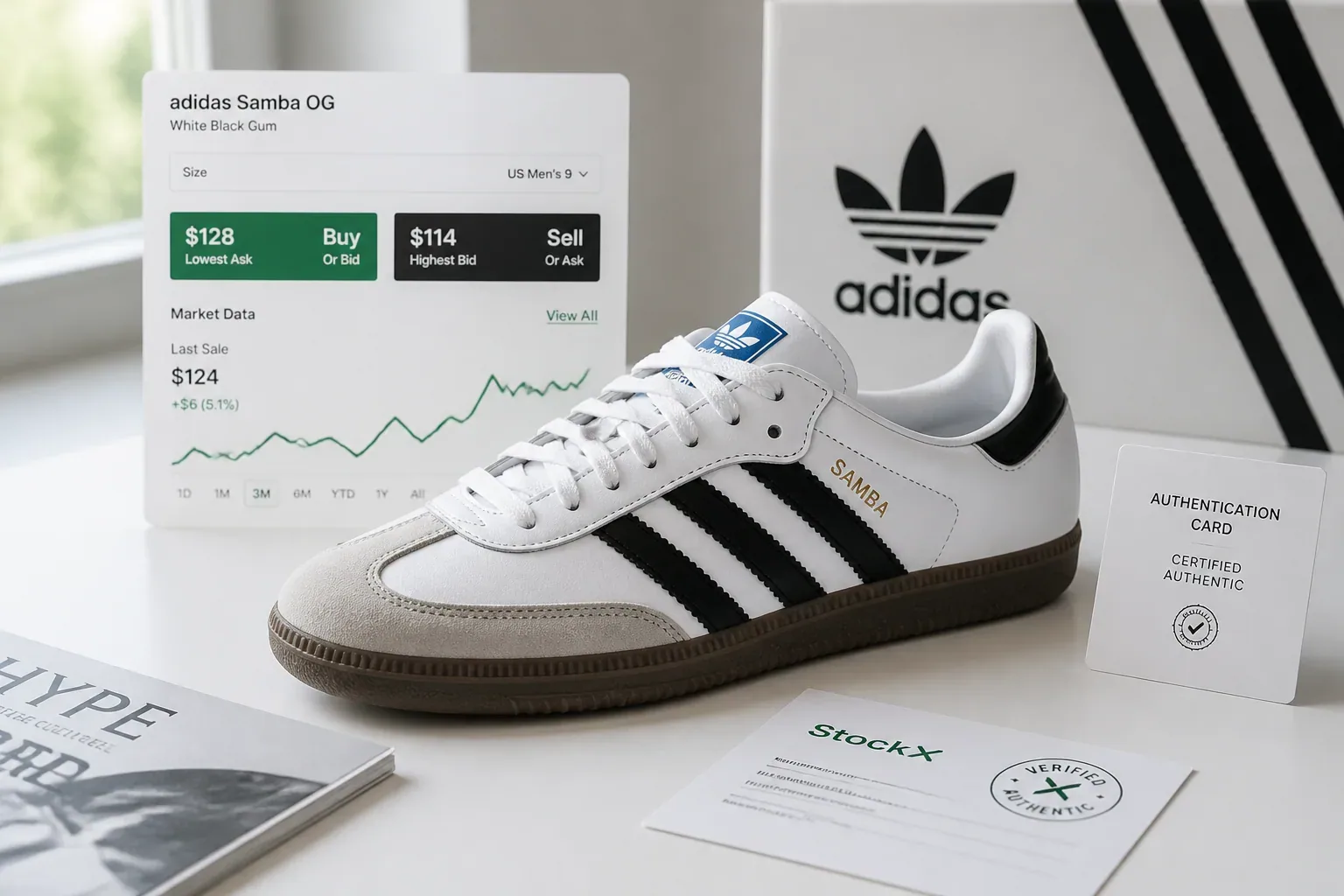
The sneaker resale market hit €2.8 billion globally in 2024—and classic models like the adidas Samba OG are fueling that explosive growth. If you've scrolled through resale platforms recently, you've probably noticed Sambas consistently commanding premium prices, especially limited colorways and hard-to-find sizes. The secondary market for these shoes has become remarkably sophisticated, with sophisticated pricing mechanisms reflecting everything from cultural moments to inventory scarcity.
The adidas Samba OG has transformed from a simple soccer shoe into cultural currency. Its heritage appeal, celebrity endorsements, and scarcity of certain releases have created a thriving secondary market where collectors and resellers actively hunt for deals. What was once dismissed as niche collector behavior has become mainstream—sneaker trading now attracts serious investors treating shoes as tangible assets alongside traditional portfolios.
This guide breaks down everything you need to know about buying, selling, and profiting from adidas Samba OG sneakers on the resale circuit. We'll cover authentication strategies, pricing benchmarks, which colorways hold value, storage best practices, and timing tactics that separate savvy flippers from casual buyers.
Understanding Samba OG Resale Value Dynamics
How heritage and scarcity drive secondary market pricing
The Samba OG commands resale premiums because it occupies a unique position in sneaker culture. Unlike purely hype-driven releases that fade, the Samba carries decades of soccer heritage combined with contemporary fashion relevance. This dual appeal creates consistent demand regardless of seasonal trends. Scarcity plays the amplifier—when adidas limits production runs or discontinues specific colorways, resale prices respond immediately. Collectors recognize finality; once a release ends, supply becomes fixed while demand often increases.
Colorway rarity: which releases command premium resale prices
Not all Sambas hold equal value. Classic colorways like Core Black and Cloud White maintain steady baseline prices around €100-130 on resale platforms. However, limited collaborations and exclusive regional releases climb dramatically higher. Vintage colorways from the early 2000s, particularly deadstock pairs, can reach €200-400. The most sought-after releases include special edition collaborations with fashion houses and limited boutique exclusive drops. Muted earth tones and retro leather variations appreciate faster than standard synthetic releases because they offer aesthetic distinctiveness while maintaining the shoe's fundamental wearability.
Size availability impact on resale demand and margins
Size scarcity creates significant pricing variance within the same colorway. Men's sizes 8-10 and women's sizes 5-7 move fastest because they represent the largest buyer population. Extreme sizes—below size 5 or above size 13—typically sell at discounts despite rarity because the addressable market shrinks. Conversely, size 9 pairs in popular colorways can command 10-15% premiums over average pricing. Resellers targeting maximum margins should focus on mainstream sizes in limited colorways rather than chasing size-driven scarcity, which rarely justifies inventory holding costs.
Seasonal trends in Samba OG trading volume
Trading volume spikes predictably around three windows: back-to-school (August-September), holiday gifting (November-December), and spring wardrobe refreshes (March-April). Winter months typically see reduced activity as buyers prioritize warmer footwear, though unexpected celebrity sightings or fashion collaborations can override seasonal patterns. Summer months present strategic buying opportunities—prices dip when demand weakens, creating entry points for patient investors. Understanding these rhythms allows you to accumulate inventory cheaply and time sales during peak demand periods.
Comparison of resale prices across platforms
StockX maintains the highest prices due to its strict authentication and brand prestige, typically 5-10% above market average for Samba OG pairs. Grailed attracts collector-focused buyers willing to pay premiums for rare colorways and deadstock condition; prices here fluctuate based on individual seller positioning but often exceed StockX for limited releases. Vinted operates at the opposite spectrum—casual sellers and European market dynamics keep prices competitive, sometimes 15-20% below StockX, though authentication standards vary. eBay occupies middle ground with high volume and variable pricing depending on seller reputation. For maximum profit margins, buy from lower-tier platforms like Vinted and Facebook Marketplace, then list on StockX or specialist forums.
Limited edition vs. general release value retention rates
General release Sambas typically retain 70-80% of retail value at resale, declining slowly as new colorways release. Limited editions demonstrate dramatically different trajectories—they often exceed retail price within 6-12 months and appreciate consistently if inventory remains constrained. Special collaborations with established fashion brands or designers retain value at 85-95% even years after release. The critical variable isn't rarity alone but perceived exclusivity combined with design distinctiveness. Limited editions with polarizing aesthetics sometimes depreciate faster than conservative general releases because resale appeal depends on buyer agreement about desirability.
Celebrity influence and cultural moments that spike Samba OG prices
Celebrity sightings create measurable price spikes within 24-48 hours. When high-profile figures wear specific Samba colorways publicly, resale prices for those exact pairs surge 8-15%. Fashion weeks, particularly in Milan and Paris, generate predictable demand surges as industry insiders pursue looks they've observed. Rapper and musician collaborations historically drive the most sustained price appreciation because they signal cultural relevance beyond fashion cycles. Tracking celebrity social media and sneaker blogs provides early warning systems—you can identify emerging demand before broader market recognition and position inventory accordingly.
Authentication Essentials for Samba OG Buyers
Red flags in counterfeit Samba OG construction
Counterfeit Sambas display consistent construction weaknesses that separate fakes from authentic pairs. Leather quality differs noticeably—genuine Samba OG uppers feature smooth, slightly textured premium leather with consistent color distribution. Counterfeits use cheaper synthetic materials that feel plasticky or display uneven dye patterns. Stitching patterns on authentic pairs follow precise geometric alignment with consistent stitch spacing (approximately 3mm intervals). Counterfeit stitching appears uneven, sometimes wavy or with irregular gaps. The most obvious tell involves the leather overlays—authentic Samba OG pairs feature clean, precisely cut suede overlays with sharp edges. Fakes show rough, frayed overlay edges where material wasn't properly finished.
Verifying the T-toe design authenticity and suede overlay details
The T-toe represents the Samba's signature design element, and it's where most counterfeits reveal themselves. Authentic T-toe construction uses reinforced stitching around the toe guard perimeter with specific thread tension that creates a slightly raised appearance. The suede overlay color should match or complement the main upper rather than appearing as an obviously distinct applied layer. Counterfeits display flat, loose T-toe stitching and suede overlays that look obviously glued on. Run your finger across the T-toe on authentic pairs—you'll feel subtle texture variations from reinforced stitching. On fakes, the T-toe feels uniformly flat or excessively stiff.
Serial number and tag verification methods
Each Samba OG includes an SKU tag on the tongue with a unique style number. Verify this number against adidas's official database by visiting adidas.com and searching the specific style code. Authentic tags use specific fonts and spacing; counterfeits often display slightly off sizing or poor print quality. The manufacturing country code should appear clearly—German-manufactured pairs (indicated by specific style numbers) command different resale premiums than Vietnamese or Chinese production. Size tags on the insole should match both the box and tongue tag. Inconsistencies between size indicators signal either damage history or counterfeit production.
Checking rubber outsole wear patterns on authentic pairs
Authentic Samba OG outsoles show specific wear patterns reflecting actual use. The heel typically wears before the forefoot on genuine pairs because natural walking mechanics concentrate impact there. Counterfeits often display artificial aging attempts that look unconvincing—perfect wear patterns that seem applied rather than earned. Inspect the rubber texture—authentic adidas rubber maintains consistent granulation even when worn. Counterfeit rubber sometimes displays odd discoloration or uneven surface degradation.
Box condition and labeling indicators of genuine adidas products
The original adidas box itself authenticates. Genuine Samba OG boxes use specific cardboard weight and printing quality that counterfeits struggle to replicate. The UPC barcode should scan successfully through adidas systems. Box labels should display consistent font sizing with proper spacing between elements. Counterfeits often show label misalignment, inconsistent text sizing, or spelling errors in language variations. The tissue paper inside should be white, not yellowed, indicating proper storage. Box bottoms include manufacturing codes that should align with the shoe's style number—mismatches indicate either incorrect boxes or counterfeit products.
Third-party authentication services and their reliability
Professional authentication services like Legit Check by CH and Authenticate This! maintain high accuracy rates (95%+) through trained experts reviewing detailed images. These services cost €10-30 per pair but provide buyer protection and resale credibility. StockX operates its own authentication layer, accepting pairs only after in-house verification, which adds credibility but slows resale timelines. Grailed includes community voting authentication, which works reasonably well for established community members but carries risk for unknown sellers. For high-value acquisitions (€200+), professional authentication services justify their cost by preventing expensive counterfeit purchases.
Common counterfeiting hotspots and where to avoid purchasing
Certain platforms and regions show elevated counterfeit risk. Avoid purchasing from sellers with limited feedback history on open marketplaces. Be extremely cautious with deals significantly underpriced relative to market averages—legitimate sellers rarely offer 40-50% discounts without serious condition issues. Regional marketplaces in Southeast Asia, despite lower prices, carry substantially higher counterfeit risk. Established platforms like StockX, GOAT, and official adidas channels provide the highest authenticity guarantees but charge premium prices. For budget-conscious buying with manageable risk, focus on Grailed sellers with 500+ transactions and positive feedback history, or Vinted users with verified reviews.
Purchase verified authentic adidas Samba OG pairs from House of Sneakers DE's trusted inventory.
Strategic Buying: Finding Underpriced Samba OG Pairs
Timing your purchases around new releases to catch price dips
Adidas releases new Samba colorways on predictable schedules, typically quarterly. When fresh inventory hits retail, resale prices for existing colorways dip as attention shifts to novelty. Savvy buyers accumulate inventory during these 2-3 week windows when secondary market prices soften. Set price alerts across platforms 1-2 weeks before anticipated releases so you'll catch the dip immediately. This timing advantage means buying pairs at 10-15% discounts compared to baseline pricing, which directly translates to improved resale margins months later.
Identifying underrated colorways with hidden appreciation potential
Mainstream colorways receive constant attention, keeping prices elevated. Overlooked releases—particularly muted earth tones, subtle color combinations, or regional exclusive drops—often price below their long-term appreciation potential. These "invisible" colorways appeal less to casual buyers but eventually gain recognition among serious collectors. Early acquisition of underrated colorways from 1-2 years prior creates significant appreciation opportunities. Track sneaker communities and forums to identify which overlooked releases are gaining recognition among influential collectors—these represent emerging appreciation signals.
Monitoring outlet sales and clearance opportunities
Adidas outlet stores periodically discount Samba OG inventory, particularly last season's colorways. These clearance opportunities represent the lowest retail prices available. Build relationships with outlet employees who can alert you to upcoming sales or clearance events. Online adidas outlets occasionally offer substantial discounts. These retail acquisitions, purchased below €80, provide exceptional margins when resold at market prices (€100-130). This approach requires patience and geographic flexibility but generates consistent profit opportunities for dedicated hunters.
Negotiation tactics on platforms like Grailed and Facebook Marketplace
Grailed and Facebook Marketplace accept offers on most listings. Open with 15-20% below asking price—most sellers expect negotiation and price accordingly. Provide specific reasons for your offer: condition assessment, comparable sales at lower prices, or bulk purchase interest. Professional communication and quick payment increase acceptance rates. Sellers often accept reasonable offers to avoid prolonged listings. Build positive transaction history through fair dealing; established accounts receive better price concessions than new accounts. Bundle purchases amplify negotiation power—offering to buy multiple pairs unlocks volume discounts.
Condition grading and how good condition pairs offer better ROI
Deadstock (never worn) pairs command 20-30% premiums but require premium pricing when reselling. Good condition pairs (worn fewer than 10 times, minimal visible wear) offer better ROI because purchase prices remain reasonable while resale acceptability remains high. Excellent condition pairs occupy the sweet spot—affordable acquisition combined with strong resale viability. Prioritize this middle ground rather than chasing deadstock pairs, which carry higher holding costs and resale challenges. Condition grading platforms like Grailed use standardized terminology—familiarize yourself with these so you accurately assess value.
Geographic arbitrage: buying from European markets for resale advantage
European resale prices frequently undercut North American prices by 10-15% due to regional market dynamics. Buying from Vinted's European user base and reselling through StockX's US platform exploits this differential. International shipping costs (€20-40) remain profitable given price gaps. Currency exchange rates occasionally create additional advantages. Research regional pricing before purchasing to identify markets offering sustainable price advantages rather than temporary anomalies. This arbitrage requires international shipping comfort and patience but generates consistent margins.
Building relationships with sellers for early access to inventory
Repeat positive interactions with sellers on Grailed, Facebook Marketplace, and Vinted build trust that unlocks preferential treatment. Sellers with consistent inventory often contact preferred buyers about new acquisitions before public listing. These early access opportunities provide first-choice positioning on underpriced pairs. Communicate professionally, follow through immediately on commitments, and respect seller timelines. Long-term relationships sometimes yield special pricing or bundled opportunities unavailable to casual browsers. Invest time in community participation and relationship building—this soft infrastructure generates returns lasting years.
Maximizing Resale Margins on Your Samba OG Collection
Optimal pricing strategies based on current market demand
Price your Samba OG pairs 2-5% below current market leaders on your chosen platform—this positioning attracts serious buyers while maintaining margin competitiveness. Monitor competitor listings daily; adjust prices downward slightly if inventory increases or upward if demand signals strengthen. Use platform-specific pricing tools to track historical price trends. Avoid race-to-bottom pricing; premature discounting erodes margins and trains buyers to expect lower prices. Instead, hold pricing firm for 2-3 weeks, then adjust if the pair hasn't sold.
Platform selection: which channels yield highest profit percentages
StockX charges 8-12% fees but provides highest buyer confidence and prices. Grailed charges 8% with occasional premium pricing for rare colorways. Vinted charges 5% with lower absolute prices but faster turnover. Facebook Marketplace charges no platform fees but requires local meetups or buyer trust negotiation. For maximum net profit, calculate platform fees before deciding—sometimes lower absolute prices on Vinted combined with 5% fees exceed higher StockX prices minus 12% fees. Match platform selection to pair characteristics: rare limited editions on StockX, general releases on Grailed, bulk inventory on Vinted.
Presentation photography and listing optimization for quick sales
High-quality photography directly impacts resale speed and achievable pricing. Photograph pairs from multiple angles—front, back, sides, overhead—with consistent natural lighting. Include close-ups showing condition details: wear patterns, leather texture, any imperfections. Photograph with the original box prominently displayed. Write descriptions emphasizing condition accuracy and notable features. Use platform-specific keywords; on Grailed include colorway names, release year, and size to maximize search visibility. Avoid misleading angles or excessive filtering; transparency builds buyer confidence and reduces returns.
Batch selling vs. individual pair strategies
Selling multiple pairs simultaneously through bundled listings reduces per-pair shipping costs and appeals to collectors seeking volume. Bundles sell faster than individual pairs but require pricing adjustments reflecting bulk discounts. For high-value pairs (€200+), individual listings maximize per-unit revenue. For mid-range pairs (€100-150), batch selling accelerates turnover and reduces carrying costs. Analyze your inventory composition and cash flow needs—high turnover requirements favor batch selling while long-term appreciation focus favors individual premium pricing.
Seasonal timing: when to list Sambas for peak buyer interest
August-September and November-December attract peak buyer activity as consumers refresh wardrobes. March-April secondary peaks reflect spring fashion cycles. July and January represent slower periods with reduced buyer activity and lower achievable prices. Schedule listings 2-3 weeks before peak seasons to capture searching activity. List multiple pairs simultaneously during peak windows—increased inventory presence improves visibility and attracts attention. Avoid listing during summer doldrums when buyer interest drops significantly.
Packaging and shipping that protects margins and reduces returns
Professional packaging differentiates resellers and reduces return rates. Use branded boxes or high-quality shipping boxes with adequate cushioning. Include original Samba OG box inside protective packaging to prevent transit damage. Wrap shoes individually with tissue to prevent friction damage. Include tracking and insurance on shipments exceeding €120 value. Document condition with photos before shipping; this protects against false damage claims. Ship promptly within 1-2 days of sale; delays frustrate buyers and reduce positive feedback. Returns resulting from poor packaging directly reduce net margins.
Building buyer credibility through consistent positive feedback
Positive feedback compounds over time—highly rated sellers command price premiums and attract serious, reliable buyers. Respond to buyer communications promptly and professionally. Address concerns immediately rather than allowing disputes to escalate. Follow platform guidelines precisely regarding shipping timelines and condition representation. Encourage feedback through optional buyer surveys. Maintain organized records of transactions and buyer satisfaction. After 50+ positive transactions, you'll notice buyers paying asking prices without negotiation—established credibility justifies premium positioning.
Condition Preservation & Long-Term Storage
Climate control requirements for leather and suede longevity
Leather and suede deteriorate in extreme temperature and humidity fluctuations. Maintain storage environments between 60-70°F with relative humidity 40-50%. Basements and attics experience seasonal swings that damage materials; climate-controlled closets work better. Excessive heat (above 75°F) causes leather to dry and crack. High humidity (above 60%) promotes mold and mildew growth, particularly on suede. These environmental factors compound over years—seemingly minor temperature swings accumulate into visible material degradation that significantly reduces resale value.
Proper cleaning techniques that maintain resale-ready appearance
Clean Samba OG pairs before long-term storage to prevent dirt from setting permanently. Use soft brushes with gentle pressure on leather surfaces; avoid wire brushes that scratch finishes. Apply leather conditioners designed for sneakers every 6-12 months—this maintains suppleness and prevents cracking. For suede overlays, use specialized suede brushes and erasers to remove surface dirt. Never use water on suede; if moisture contact occurs, allow air drying away from direct heat. Professional sneaker cleaning services (€15-40) maintain pristine condition for high-value pairs. Clean pairs command 10-15% resale premiums compared to soiled inventory.
Storage solutions that prevent creasing and material degradation
Shoe trees maintain shape while absorbing internal moisture. Use cedar shoe trees specifically for sneakers—cedar naturally repels moisture and odors. Acid-free tissue paper stuffed inside shoes prevents creasing. Store pairs in breathable cloth dust bags rather than sealed plastic, which traps moisture. Stack boxes vertically rather than horizontally to prevent crushing. Avoid overcrowded storage; pairs need air circulation. Periodic rotation—wearing or reposing pairs monthly—prevents permanent crease development. These small attention details preserve appearance that directly translates to higher resale values.
Shoe tree usage and moisture management best practices
Insert shoe trees immediately after wearing to reshape pairs and absorb moisture. Cedar trees absorb sweat and odors while maintaining shape. For extended storage beyond 6 months, replace cedar trees every 6 months to maintain moisture-absorption effectiveness. Pair shoe trees with silica gel packets in storage boxes during humid months. Change silica packets weekly during peak humidity seasons. This moisture management prevents permanent odor absorption and mold growth that destroys resale viability. The €5-15 invested in proper storage materials protects inventory worth €100-500+.
Protecting the original box for premium resale value
Original adidas boxes increase resale value by 10-20% because they validate authenticity and provide brand presentation appeal. Store boxes separately in climate-controlled environments. Keep boxes unstuffed but supported with acid-free tissue to prevent collapse. Avoid storing heavy items atop boxes that crush structural integrity. Never use boxes for other storage purposes. Separate lids and bottoms prevent permanent crease development. These boxes represent tangible assets; maintain them with the same care as the shoes themselves. Many resellers purchase retail boxes for €10-15 to increase resale appeal for box-free pairs, confirming box value.
Rotation strategies to minimize wear on investment pairs
Wearing investment pairs occasionally prevents permanent crease development and material stiffness from extended inactivity. Rotate among your collection monthly rather than storing pairs untouched for years. Light wearing (2-3 times monthly) maintains material flexibility without accumulating significant wear. This rotation also identifies potential issues—loose stitching, material weakness—before they become severe problems affecting resale viability. Document conditions photographically during rotation to track degradation rates. Pairs showing unexpected deterioration despite proper storage signal storage environment problems requiring adjustment.
Insurance considerations for high-value Samba OG collections
Collections exceeding €5,000 total value justify insurance policies protecting against theft, loss, or disaster. Homeowners insurance typically covers personal property but includes limits and deductibles. Specialized collectibles insurance provides comprehensive coverage specifically for sneaker investments. Document inventory with photographs, receipts, and authentication certificates. Maintain updated inventory lists and resale value estimates. Insurance premiums (typically 1-2% annually) represent reasonable protection for significant investments. This financial safeguarding provides peace of mind and protects resale recovery if disasters occur.
Tracking Market Trends & Price Forecasting
Using data analytics tools to monitor Samba OG price movements
StockX provides price charts tracking historical data for each Samba OG colorway and size combination. GOAT similarly maintains price history and trend data. These platforms reveal whether specific pairs appreciate, depreciate, or stagnate. Google Trends tracks search volume for Samba-related terms, revealing emerging interest before prices spike. Specialized sneaker analytics platforms like Sneaker Market and Hypebeast's price databases consolidate cross-platform data. Tracking these metrics monthly identifies emerging trends before mainstream recognition. Most successful resellers maintain personal spreadsheets tracking dozens of colorways—this systematic monitoring catches appreciation signals others miss.
Identifying emerging colorways before they spike in value
Early-release colorways from boutique retailers often price below eventual market demand. Monitor independent sneaker retailers like Offspring, Size?, and Crooked Tongues for exclusive releases. These colorways receive minimal initial attention but gain recognition as fashion influencers wear them. Purchase underpriced emerging colorways 3-6 months after release when general market hasn't recognized them yet. Within 12-18 months, mainstream collector attention drives prices upward significantly. This forward-looking positioning requires pattern recognition but generates substantial appreciation on forward-thinking acquisitions.
Understanding supply chain announcements and their resale impact
Adidas supply chain news directly impacts resale markets. Production increases depress prices; scarcity announcements or discontinued releases elevate prices. Follow adidas investor calls and official announcements for production volume information. Retirements or "final" releases trigger urgency among collectors, spiking demand. Regional market announcements signal upcoming inventory changes. Anticipate these supply signals and adjust inventory decisions accordingly. Increased production foreknowledge allows you to exit positions before price depreciation.
Social media signals that predict demand surges
Instagram, TikTok, and Twitter sneaker communities telegraph emerging demand days or weeks before mainstream recognition. Influential sneaker accounts (100K+ followers) wearing specific Samba colorways often precede price increases. Fashion weeks generate predictable Instagram activity among industry insiders; track these discussions for emerging preferences. Viral TikTok trends involving Sambas create unpredictable but substantial demand spikes. Set social media alerts for sneaker influencers and follow major sneaker communities. Real-time social monitoring provides information advantages that translate to profitable positioning.
Comparing historical price data across multiple resale platforms
Prices vary meaningfully across platforms for identical pairs. Maintaining price tracking across StockX, Grailed, Vinted, and eBay reveals platform-specific pricing patterns. Some colorways price higher on Grailed (collector premium), others on Vinted (volume market). Historical pricing comparisons reveal whether current prices represent attractive acquisition opportunities. Pairs priced below historical averages signal potential undervaluation. Conversely, pairs approaching historical highs warrant careful consideration regarding appreciation potential versus reversion risk.
Recognizing bubble markets vs. sustainable price appreciation
Speculative bubbles inflate prices unsustainably, often driven by viral moments or celebrity appearances. Genuine appreciation reflects sustained demand from collectors and cultural relevance. Bubble markets display rapid price increases (50%+ within weeks) without fundamental demand justification. Sustainable appreciation shows gradual increases (10-20% annually) reflecting consistent collector demand. Avoid panic-buying into rapid spikes; patience often allows purchase after inevitable corrections. Conversely, consistent gradual appreciation signals genuine collector interest worth positioning inventory within.
Building a personal database for tracking your collection's ROI
Systematic record-keeping reveals which colorways, acquisition sources, and resale strategies generate best returns. Spreadsheets tracking purchase price, purchase date, condition, resale price, and resale timeline provide ROI data guiding future decisions. Tag acquisition sources—Vinted, outlet, StockX—to identify best supply sources. Track platform performance to identify which channels consistently yield highest net proceeds. Analyze seasonal patterns in your specific trading. This data-driven approach replaces guesswork with evidence-based decision-making. After 50+ transactions, patterns emerge that dramatically improve profitability.
Building Your Samba OG Investment Strategy
Defining your portfolio: collector vs. flipper vs. hybrid approach
Collectors prioritize personal enjoyment and appreciation potential, accepting lower turnover rates. This approach requires patient capital accumulation and emotional attachment management. Flippers prioritize rapid turnover and consistent margins, sometimes sacrificing ultimate appreciation for regular cash generation. Hybrid approaches combine both—maintaining core collection pieces while opportunistically trading complementary inventory. Define your strategy clearly before deploying capital; inconsistent approaches reduce profitability. Successful resellers typically start as collectors before evolving hybrid strategies as expertise grows.
Diversification across colorways, sizes, and release years
Concentrating inventory in single colorways or sizes concentrates risk. Diversification across multiple colorways, size ranges, and release years protects against single-market fluctuations. If one colorway depreciates unexpectedly, alternative inventory sustains profitability. Mixing old releases (2000s-2010s pairs with established value trajectories) with newer releases (appreciation potential) balances stability and growth. Maintain size diversity; while sizes 8-10 sell fastest, size and colorway combinations facing limited competition sometimes generate superior margins.
Risk management: balancing safe bets with speculative pairs
Classic colorways like Core Black and Cloud White represent safe bets—consistent demand and minimal depreciation risk, though appreciation potential remains limited. Speculative acquisitions involve underrated colorways or emerging designer collaborations with uncertain resale outcomes. Allocate approximately 70-80% capital to safe-bet inventory and 20-30% to speculative positions. This allocation protects capital while maintaining growth opportunity. Speculative positions that appreciate 50%+ offset losses from failed speculative bets. This probabilistic framework acknowledges risk while positioning for outsized wins.
Capital allocation for consistent profit generation
Reinvest resale proceeds into new acquisitions rather than withdrawing profits entirely. Compounding inventory growth accelerates. Allocate capital systematically—perhaps 60% toward safe-bet acquisitions and 40% toward speculative positions. Track cash flows to ensure continuous capital availability for opportunistic purchases. Avoid over-leveraging—maintaining 10-20% cash reserves enables capitalize on surprise opportunities or market corrections. Systematic capital allocation removes emotional decision-making and maintains consistent growth.
Long-term hold vs. quick-flip decision frameworks
Quick flips generate immediate cash returns but accept minimal appreciation. Holding periods of 12-24 months typically generate substantially higher total returns for selected colorways. Develop decision frameworks: pairs with strong appreciation signals receive longer holds, while pairs approaching potential resistance levels warrant consideration for exits. Market conditions influence optimal strategies—bull markets reward long holds; bear markets emphasize quick-flip preservation of capital. Adjust strategies based on emerging market conditions rather than rigidly applying single approaches.
Networking within sneaker communities for market intelligence
Sneaker communities on Reddit (r/Sneakers), specialized forums like NikeTalk, and Discord servers provide crowd-sourced market intelligence. Experienced community members often identify emerging trends and undervalued opportunities. Participate genuinely rather than extracting information passively; contribution builds credibility and unlocks better information access. Local sneaker meetups and conventions provide face-to-face networking with collectors, sellers, and industry insiders. These relationships generate early-access inventory opportunities and authentic market insights unavailable through public sources.
Tax and documentation considerations for resale income
Resale income above certain thresholds requires tax reporting (€12,000+ annually in most jurisdictions). Maintain detailed records of purchase dates, prices, and resale proceeds. Document acquisition sources and any platform fees. Consult tax professionals regarding classification—hobby activity versus business activity carries different tax implications. Maintain receipts and authenticity certificates. Proper documentation protects against disputes and simplifies tax filing. Some resellers establish formal business structures; consult professionals regarding optimal approaches for your situation.
The Samba OG Resale Playbook
The adidas Samba OG isn't just a sneaker—it's an asset class that rewards informed decision-making. Success in the Samba OG resale market hinges on three pillars: education (understanding what drives value), execution (buying smart and selling strategically), and adaptation (staying responsive to trend shifts). Start small, verify everything, and let early wins build momentum.
Whether you're protecting a personal investment or building a revenue stream, the secondary market for classic adidas silhouettes continues expanding—and the Samba OG remains at the center of that growth. Begin by auditing current Samba OG listings across platforms, identify three underpriced pairs in your target range, and execute your first authenticated purchase.
Start your Samba OG collection today with verified pairs from House of Sneakers DE.